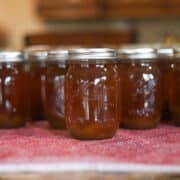
Crockpot Beef Bone Broth Recipe
Try this easy crockpot beef bone broth recipe for a rich, nourishing broth packed with flavor. Includes tips for making a second batch with the same bones and storage methods.
Servings: 8 Pints
Calories: 60kcal
Equipment
Ingredients
- 6 lbs soup bones (knuckles, femurs, oxtails)
- 3 large carrots (roughly chopped)
- 3 stalks celery (roughly chopped)
- 1 large yellow onion (peeled & quartered)
- 1 head garlic (sliced horizontally)
- 3 ounces tomato paste
- ¼ cup olive oil
- 5 bay leaves
- 1 cup red wine
- 2 tablespoon dried parsley
- 1 tablespoon dried oregano
- 1½ teaspoon dried thyme
- 1 tablespoon peppercorn
- 2 tablespoon sea salt
- 3 quarts fresh water
- 2 tablespoon apple cider vinegar (optional)
Instructions
- Arrange defrosted bones in a deep roasting pan and scatter carrots, celery, onions, and garlic around them. Brush bones with tomato paste on all sides, then drizzle everything with olive oil.
- Roast bones and veggies in a 425-degree oven for 40 minutes, flipping the bones halfway through.
- Transfer pan contents to a large crockpot. Use wine to deglaze the roasting pan. Pour wine and pan juices into a large crockpot, along with seasoning, herbs, a splash of vinegar (optional), and water. Bring to a boil on high, then simmer, covered, on low for 12 hours. Skim foam off the surface as needed.
- Use a slotted spoon or tongs to remove bones and vegetables from the crockpot, then carefully strain the bone broth into a clean pot. Once cool, refrigerate to allow the fat to solidify on the surface, then scrape it off and either discard it or save it for cooking.
- See blog post for making a second batch with the same bones. Otherwise, this recipe will yield 4 pints instead of 8.
Storage Suggestions
- Homemade bone broth can be pressure-canned in mason jars for long storage. Because it's a low-acid food, it's not suitable for water bath canning. Head to Montana Homestead Harvest to learn about canning bone broth.
Notes
- Nutrition information is an estimate and will vary depending on the type of bones used, cooking time, and how much fat is removed from the broth.
- When preparing bone broth during cold winters, you can leave the covered pot on the porch until the fat solidifies. This is especially helpful when you have no room in the fridge for a large stockpot.
- Keep a gallon freezer bag in your freezer for beef bones, chicken carcasses, and vegetable scraps. Once the bag is full, you'll have everything you need to make a large batch of bone broth.
- Roasting beef bones at 425°F for 40 minutes before making broth gives the broth a much richer color and flavor. This step is especially helpful if you plan to use the broth in soups and gravies.
- Don't worry if the broth jells. High-quality bone broth often turns into a jelly-like consistency when refrigerated. That just means the collagen was successfully extracted from the bones, which is exactly what you want.
- Don't forget to label the jars with the contents and the date. Even though properly canned broth can last a long time, it's best used within 2 years for the best flavor and quality.
- Beef fat from bone broth can be used for cooking or added to homemade pet food.
Nutrition
Serving: 1cup | Calories: 60kcal | Carbohydrates: 1g | Protein: 8g | Fat: 2g | Sodium: 200mg | Potassium: 250mg | Fiber: 0g | Sugar: 0g
