

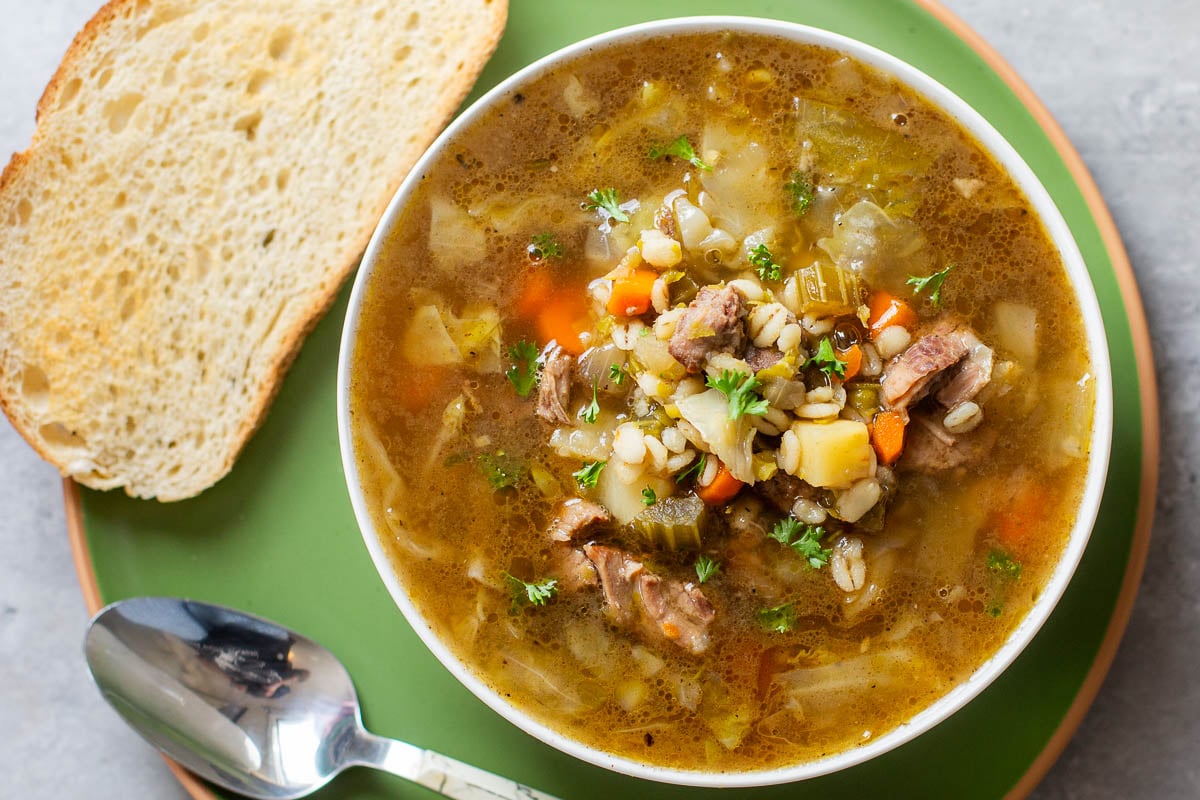
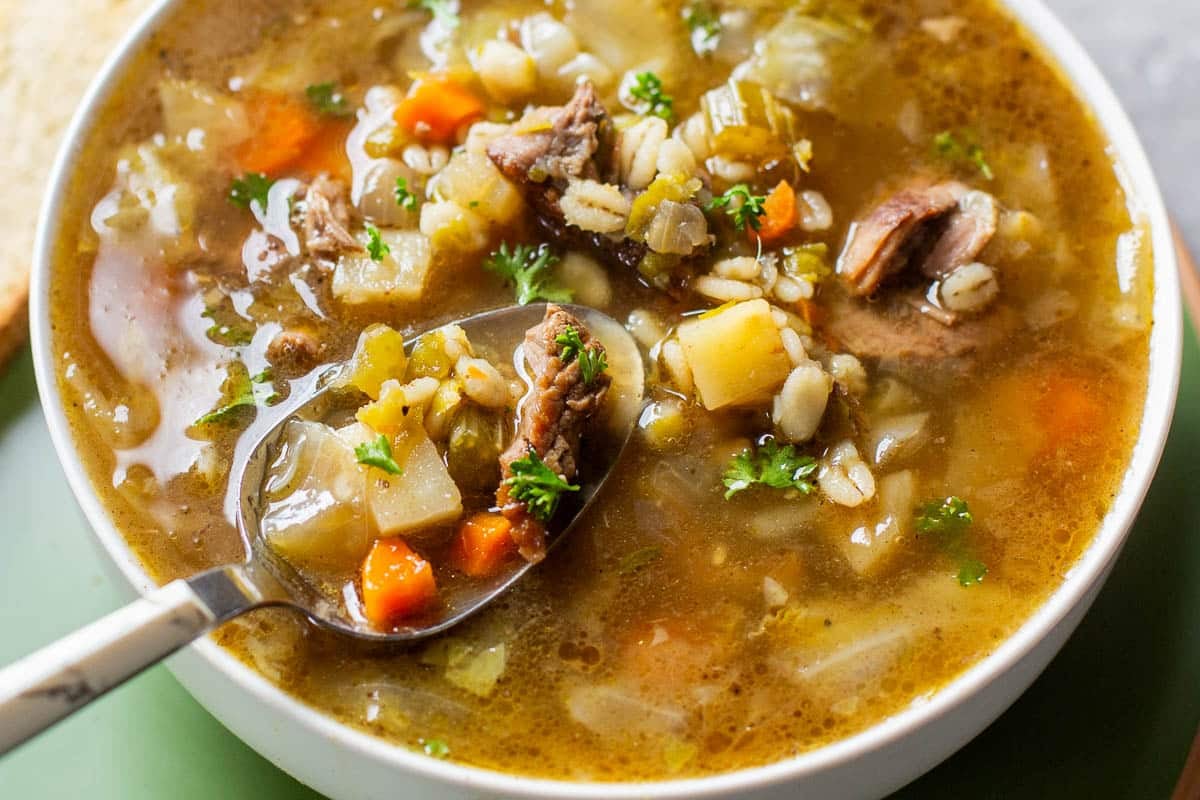
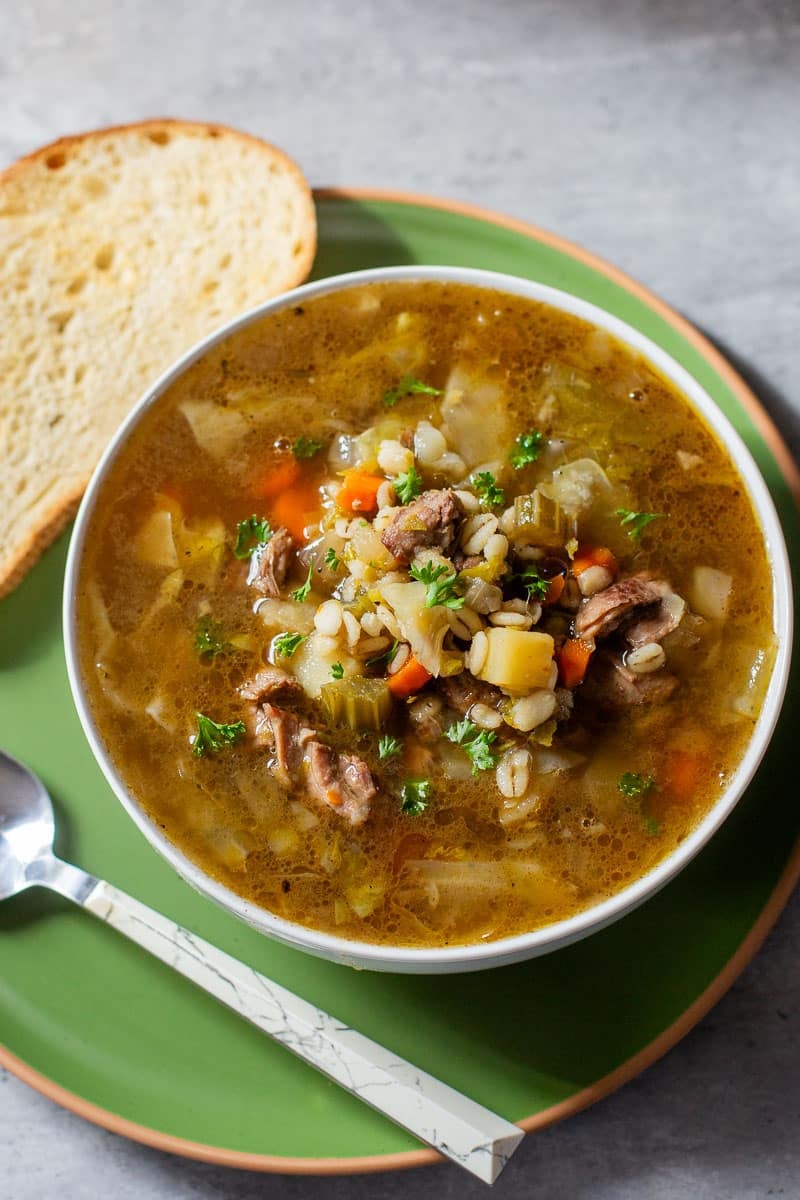
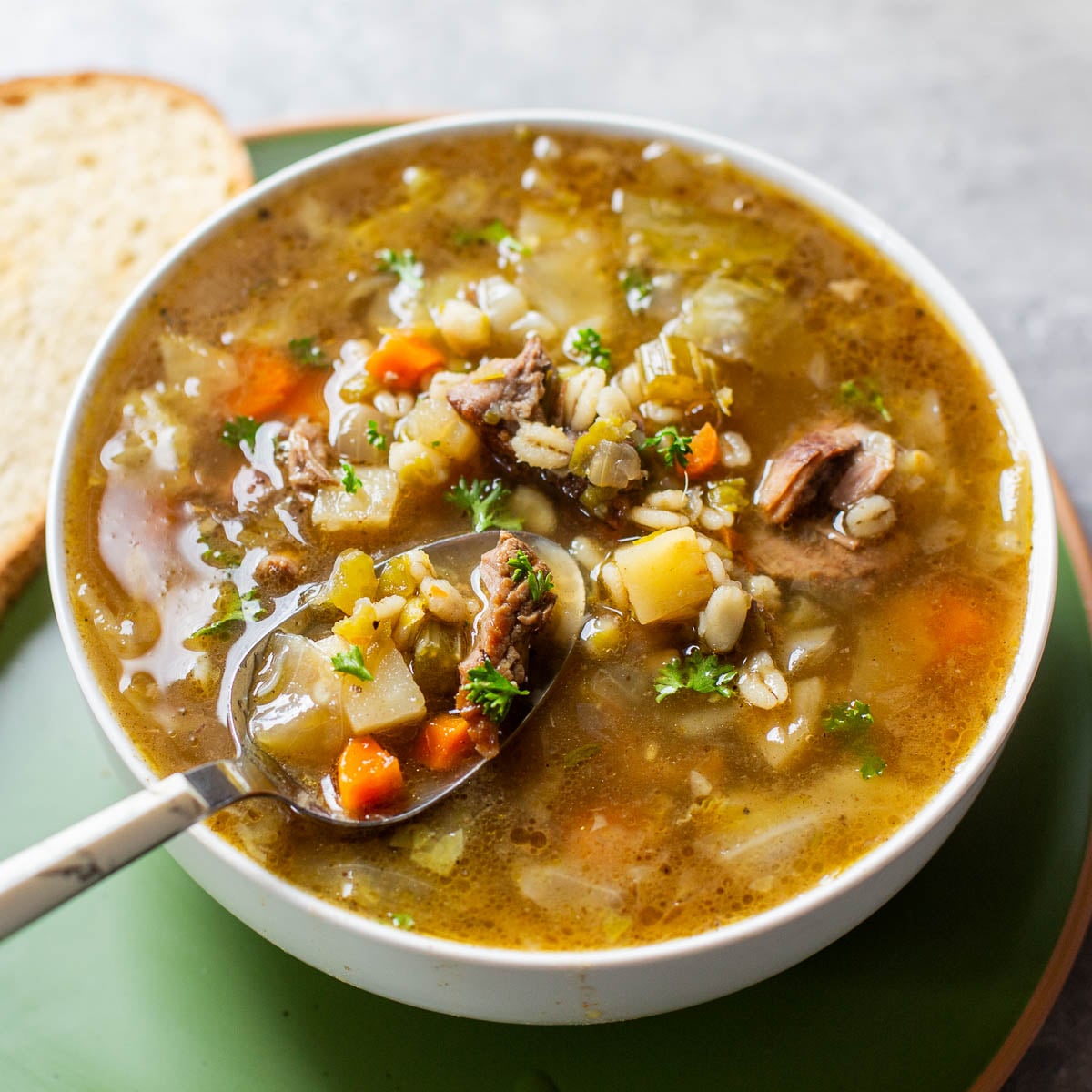
Scotch broth is a thick, hearty soup that has been enjoyed for countless generations. This Scottish-inspired soup is filled with tender beef shank, earthy root vegetables, split peas, and pearl barley for a meal that's both comforting and filling. You can also make this Scotch broth recipe with smoked lamb shanks!
Would you like to save this recipe?
If you're looking for a rustic, cozy recipe to usher in the coming soup season, look no further. This Scotch broth recipe is slow-cooked for maximum flavor and hearty enough to be a meal on its own, though it can also be enjoyed as a side. It's a labor of love, but there's a reason this dish has been passed down for hundreds of years.
Jump to:
🔖 Ingredients & Substitutions
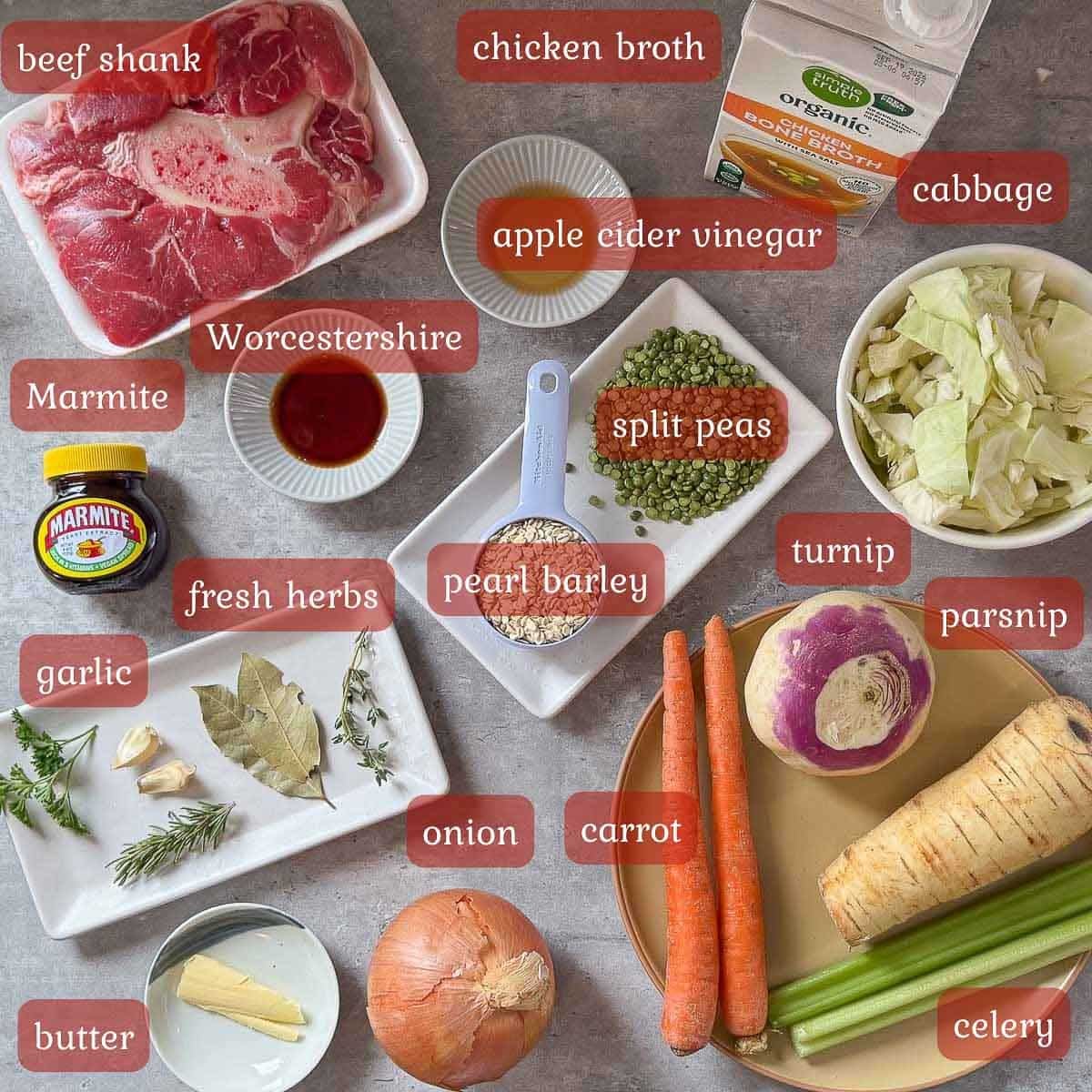
- Beef: I recommend using a bone-in beef shank for best flavor. Lamb shank or mutton are more traditional, so if you have access to those, that's even better! For a vegetarian rendition, you can omit meat entirely.
- Broth: I recommend using chicken broth or vegetable broth, but you can also use crockpot beef bone broth.
- Butter: I recommend using a high-quality butter like Irish or French butter, but regular is fine as well. You can also use store-bought lard or make your own rendered pork fat.
- Vegetables: Yellow onion, carrot, parsnip, turnip (or rutabaga), and cabbage. Leeks, potatoes, kale, and red lentils can be used as well.
- Aromatics: Garlic, thyme, rosemary, and bay leaf.
- Split peas: Optional, but recommended.
- Pearl barley: I use quick pearl barley, so I added it towards the end. If you use regular pearl barley, it will need more time to cook.
- Optional ingredients: Worcestershire sauce, Marmite, apple cider vinegar. I like to add all 3 for a bit of extra flavor, but none of these are traditional or required.
- Parsley: Fresh Italian or curly leaf parsley both work. You can also use lovage if you have access to it.
*See recipe card for full list of ingredients.
🍅 How To Make Scotch Broth
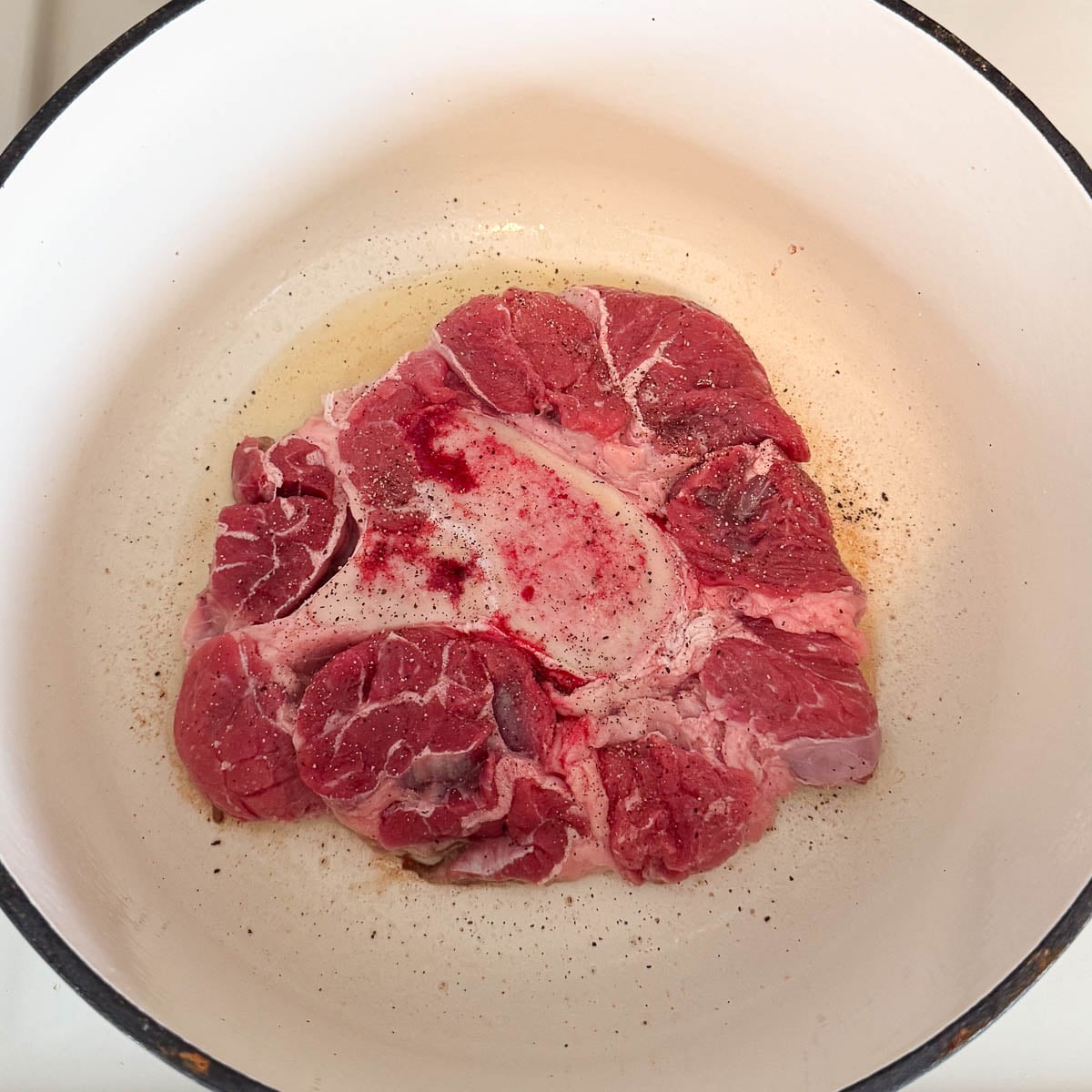
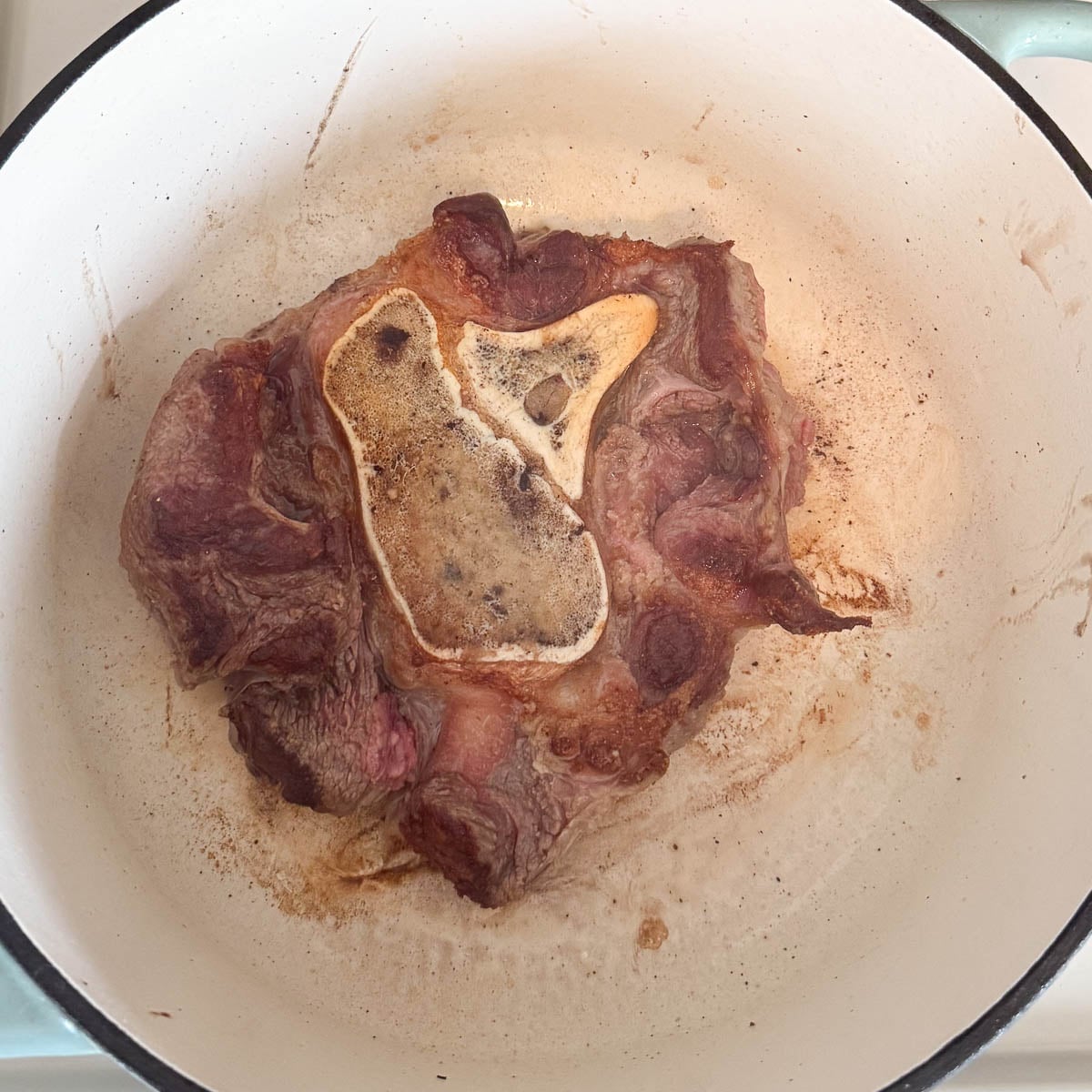
Step 1: Pat beef shank very dry and season with salt and pepper. Heat oil in a large Dutch oven or pot over medium-high heat and sear the shank until deeply browned, about 3-5 minutes per side. Set shank aside.
Step 2: Reduce heat to medium and add butter, diced onion, and celery. Cook for 5-7 minutes, stirring occasionally, until softened and beginning to brown. Add minced garlic and cook an additional 30-60 seconds, or until fragrant.
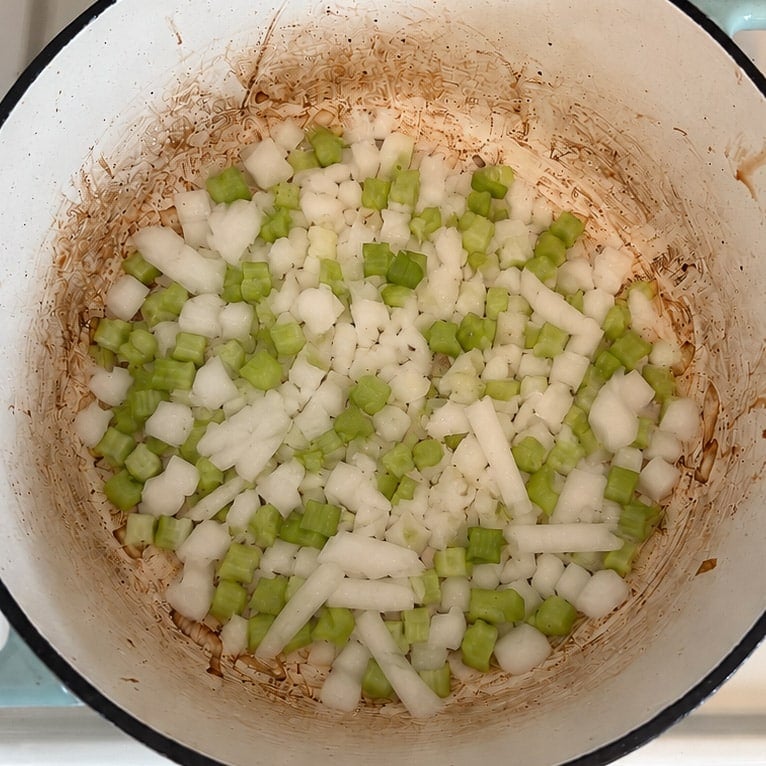
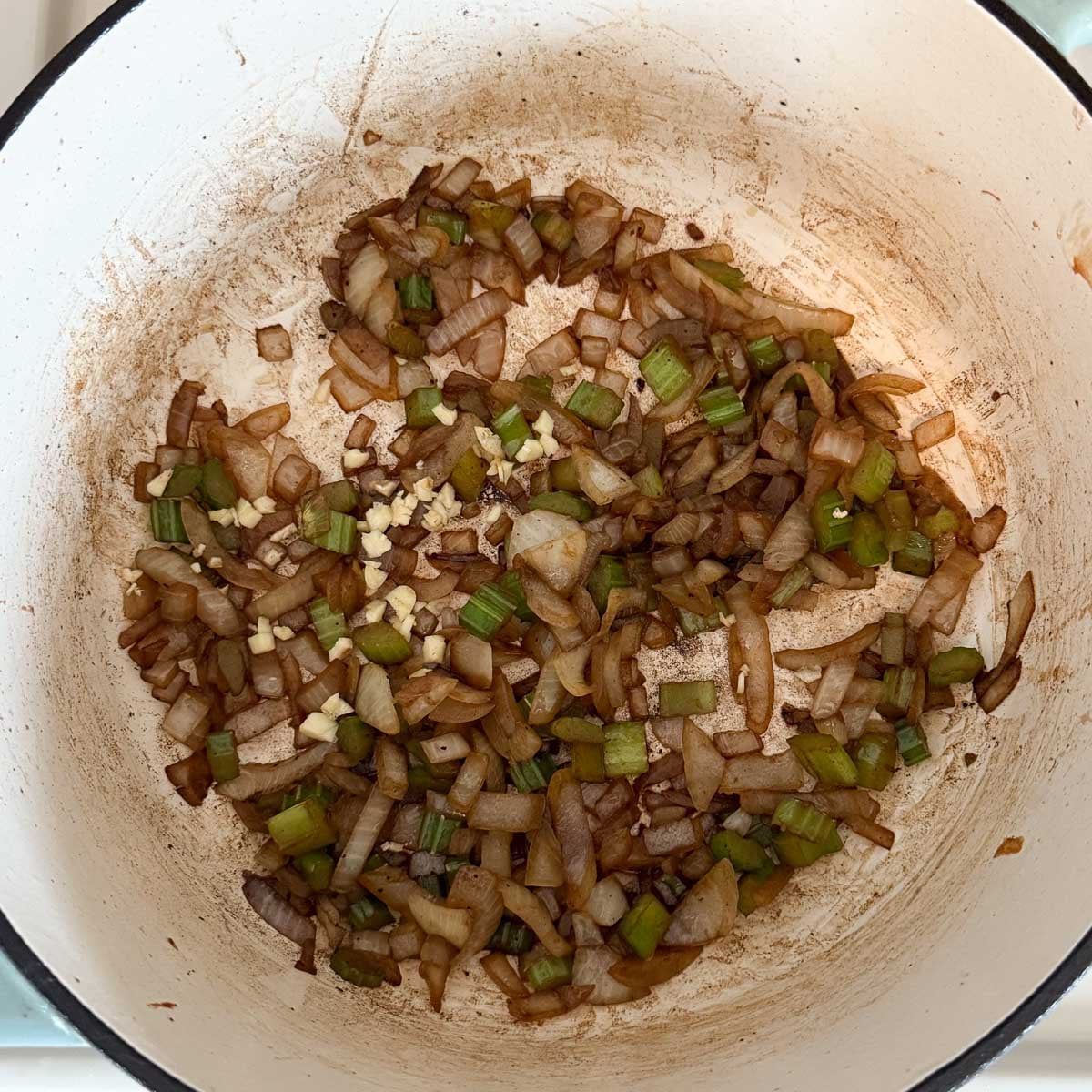
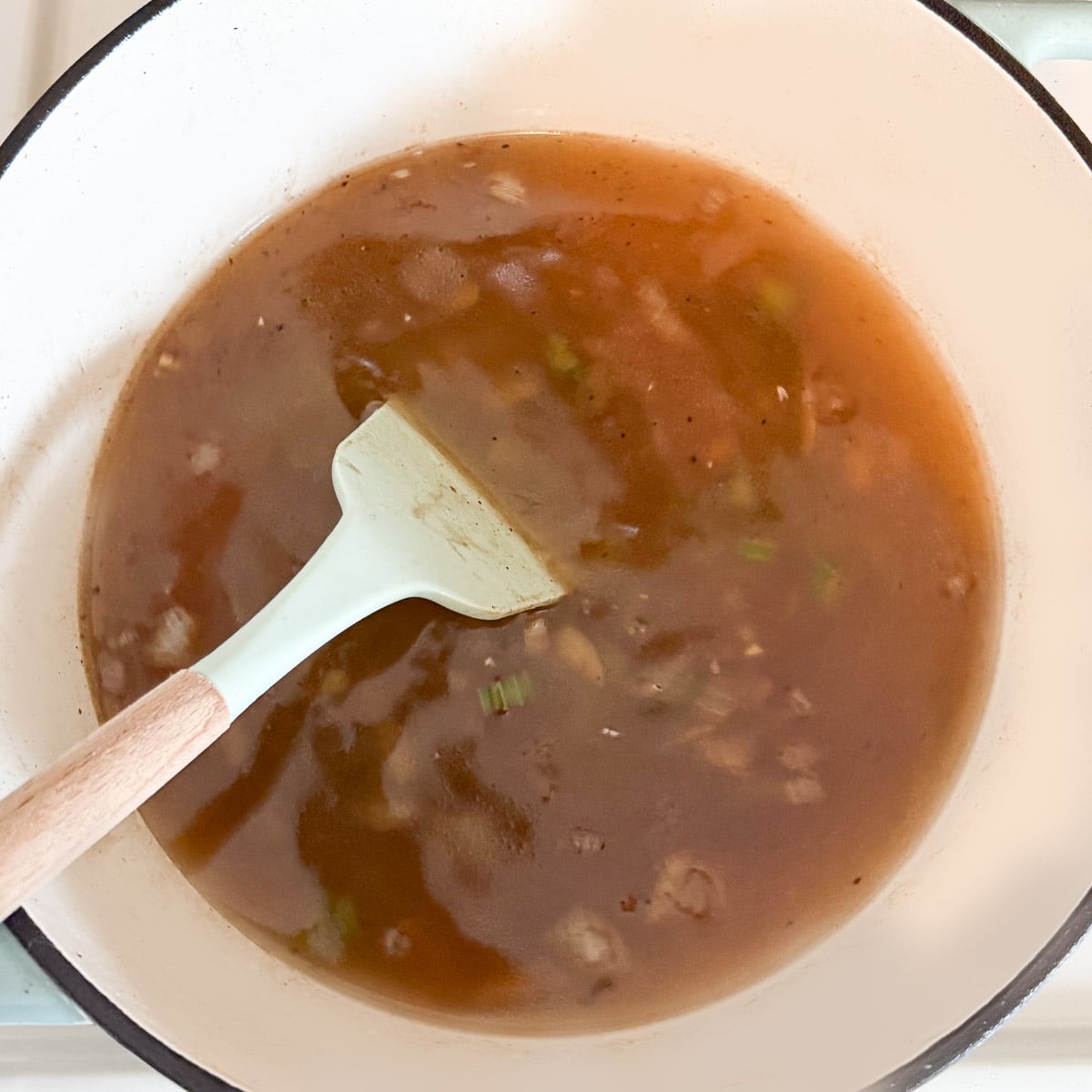
Step 3: Deglaze the pot by pouring in chicken broth and gently scraping the bottom to release all the browned bits. Add Worcestershire sauce and Marmite, stirring until Marmite dissolves. Then add in bay leaf, thyme, rosemary sprig, and black pepper.
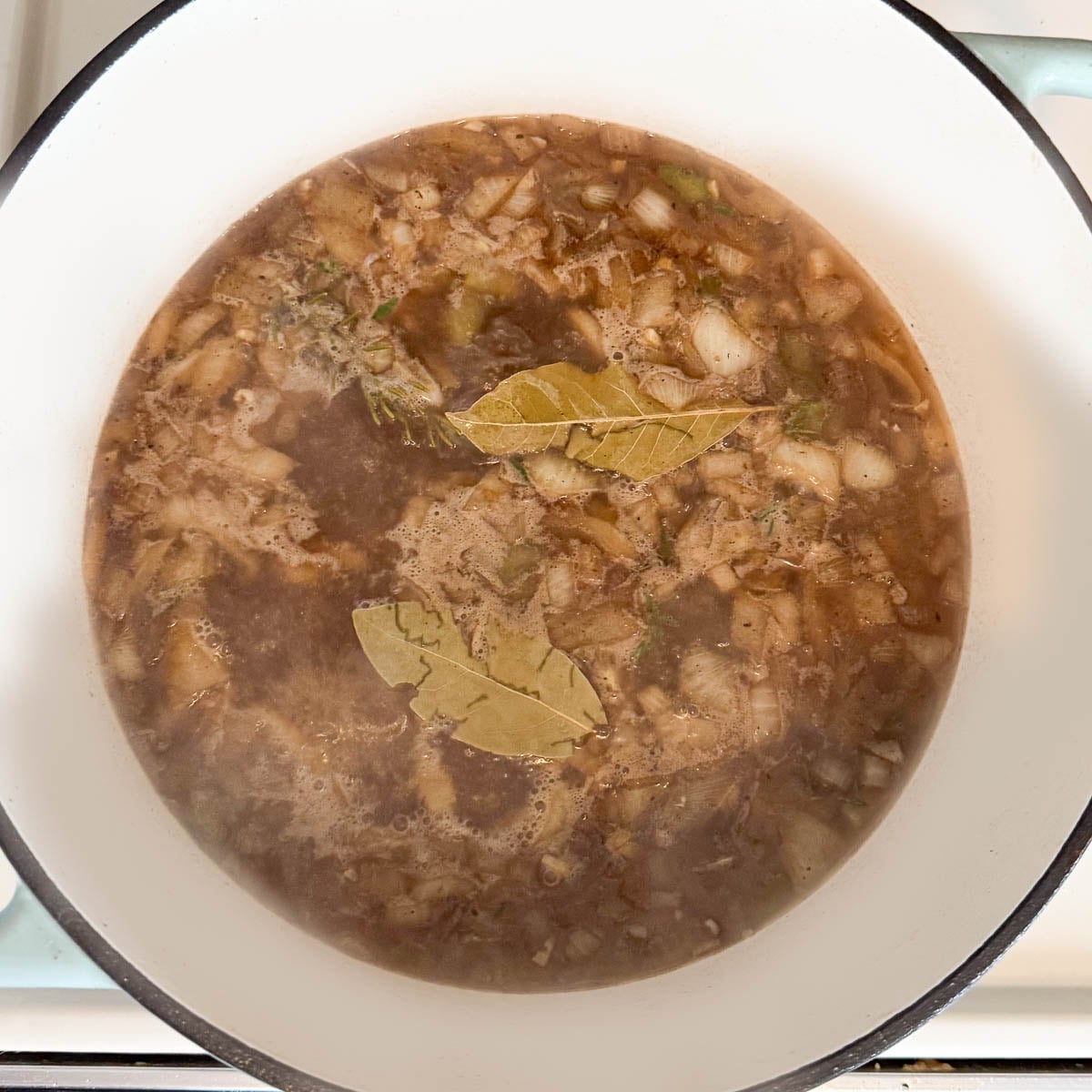
Step 4: Return beef shank and any accumulated juices to the pot. Bring to a gentle boil, then reduce to a low simmer and partially cover. Cook for 1 hour.
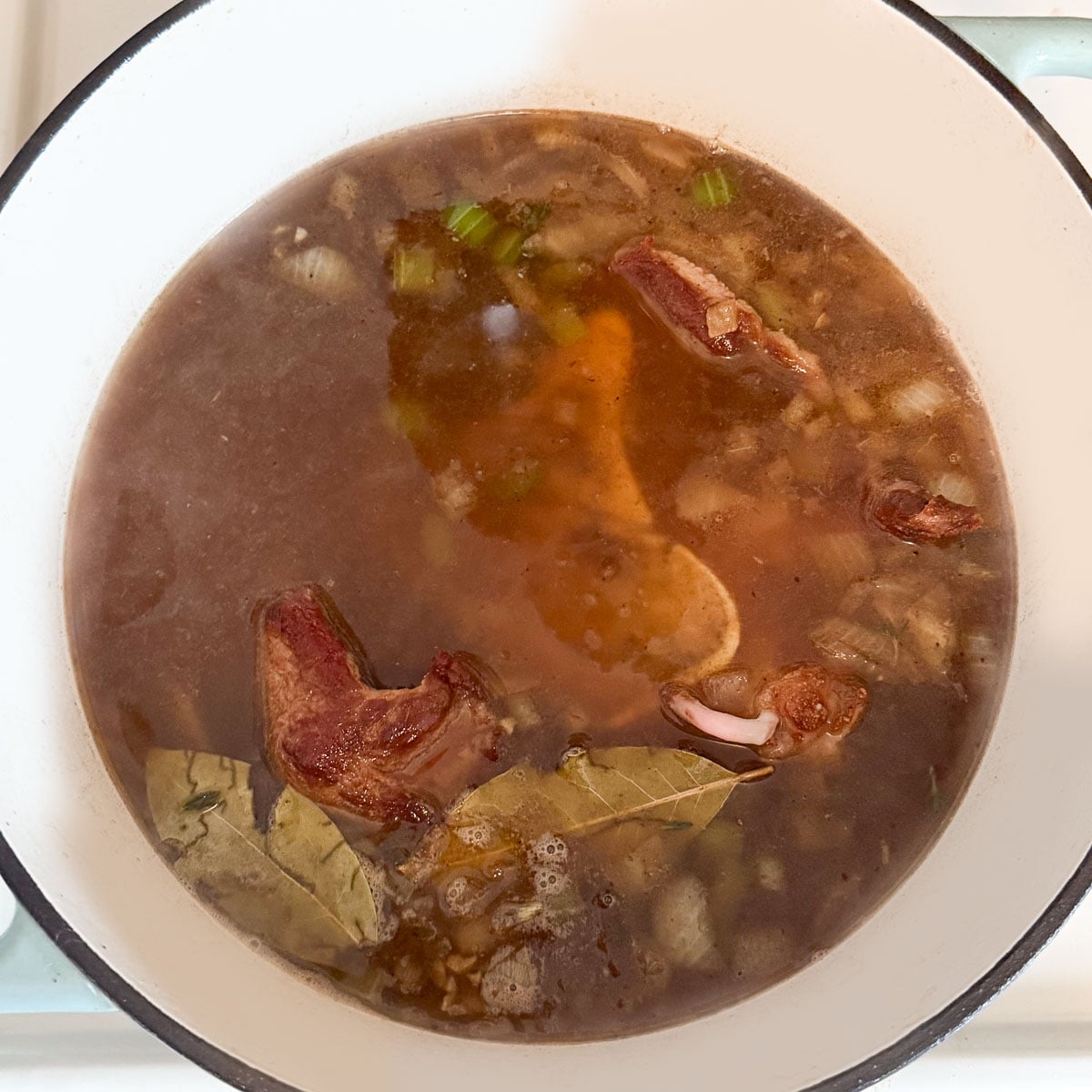
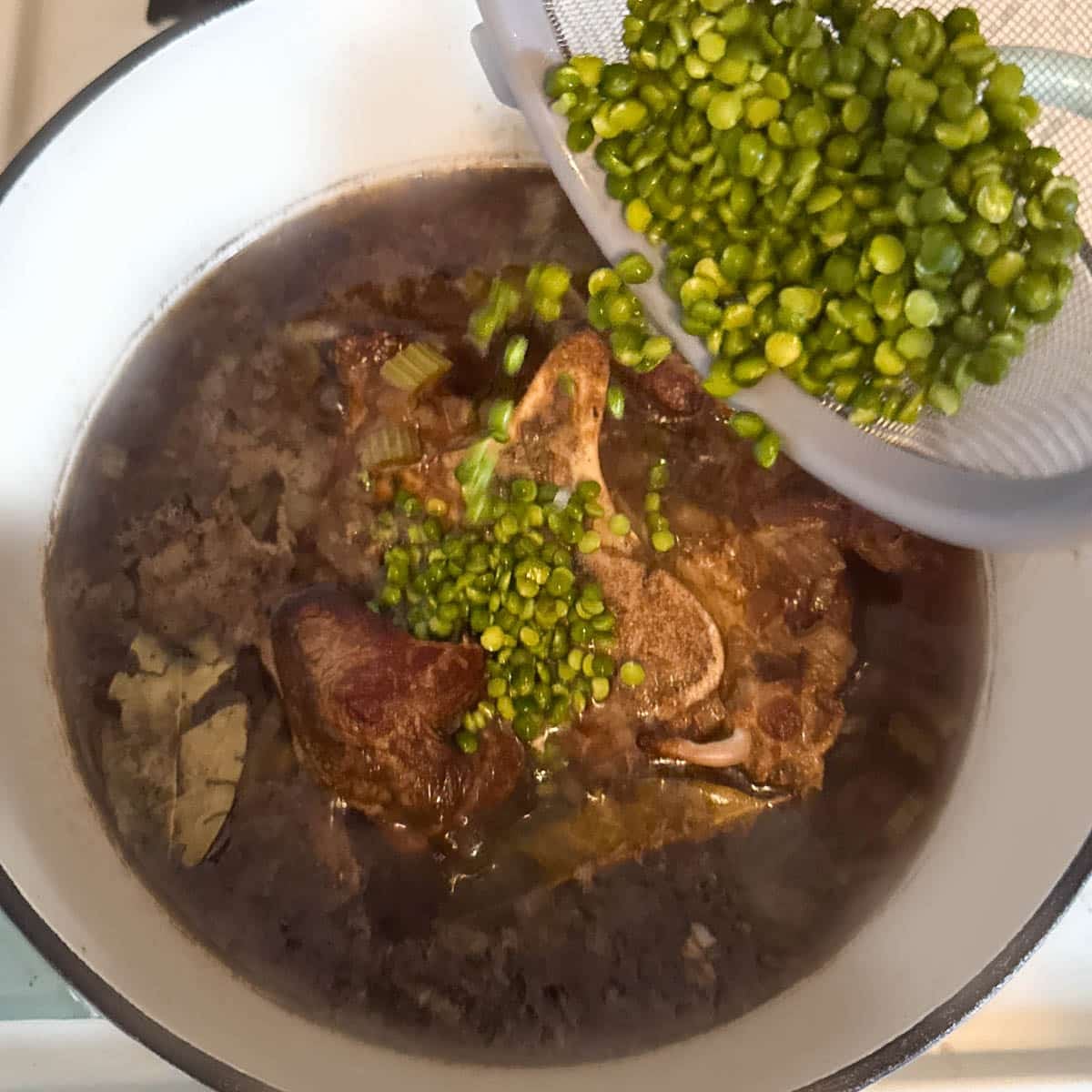
Step 5: Stir in rinsed split peas, then continue simmering for 30 minutes. Dice or shred root vegetables, add to pot, and simmer another 30-45 minutes or until vegetables and peas are tender and beef easily pulls away from the bone.
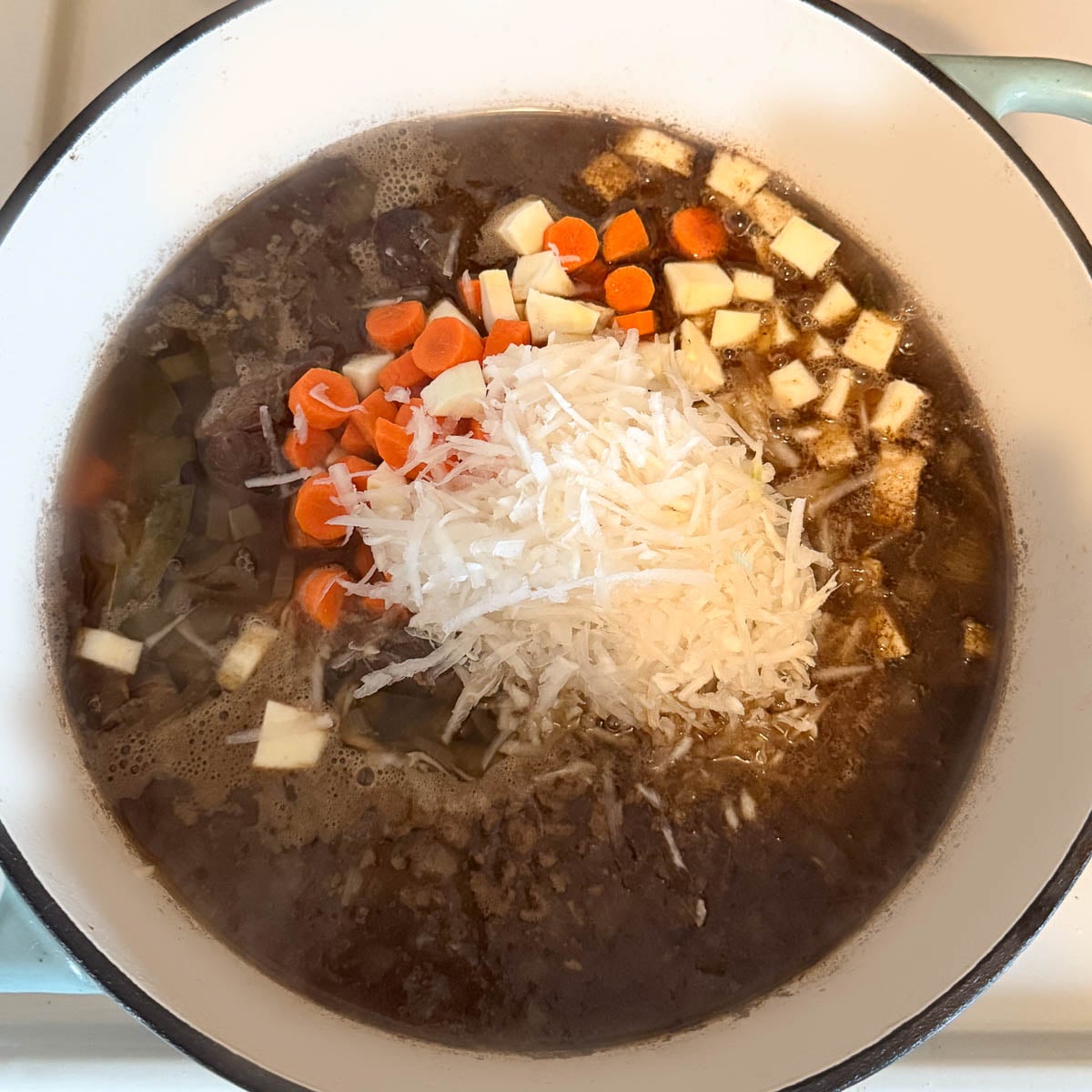
Pro Tip: I chose to shred the turnip and dice the other root vegetables for the sake of textural variety, but you can choose to shred or dice all of them if you prefer. The reason I don't add them at the same time as the split peas is to ensure that they soften without getting too mushy.
Step 6: Remove beef shank and set aside until cool enough to handle. Remove meat from bone and shred or chop meat into bite-sized pieces and return to pot.
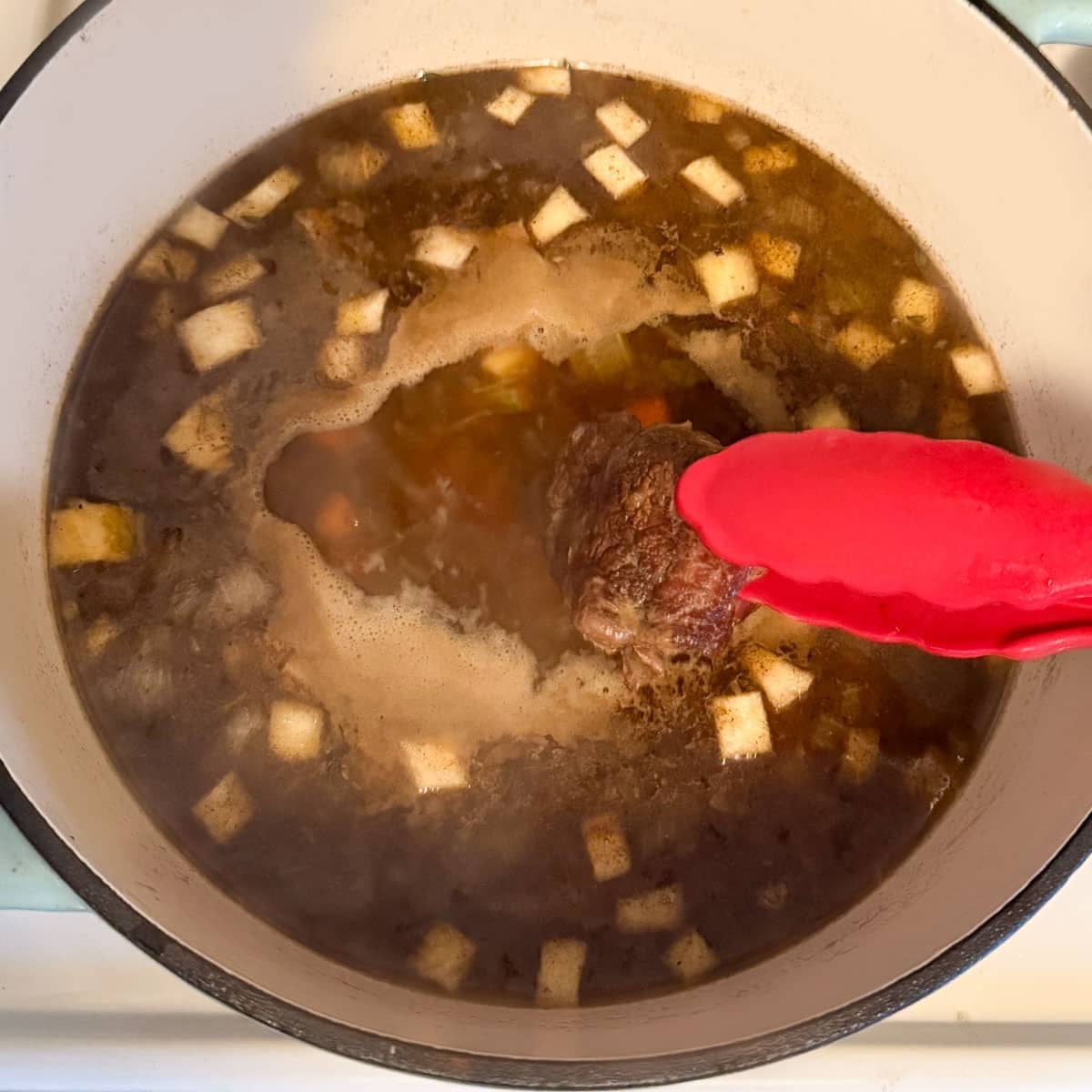
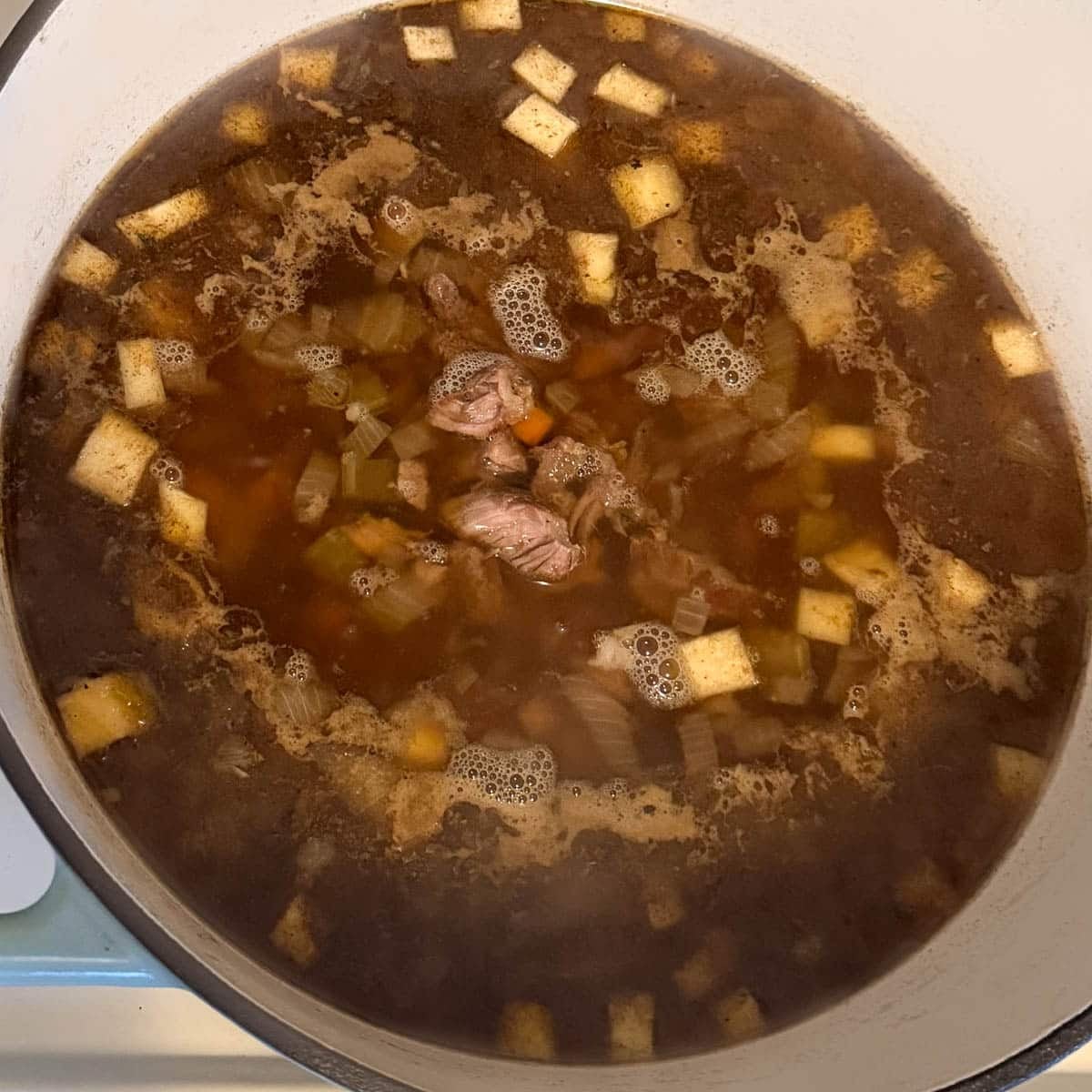
Pro Tip: Make sure to discard any tough pieces of connective tissue. If there's marrow in the bone, you can stir it into the broth, if desired.
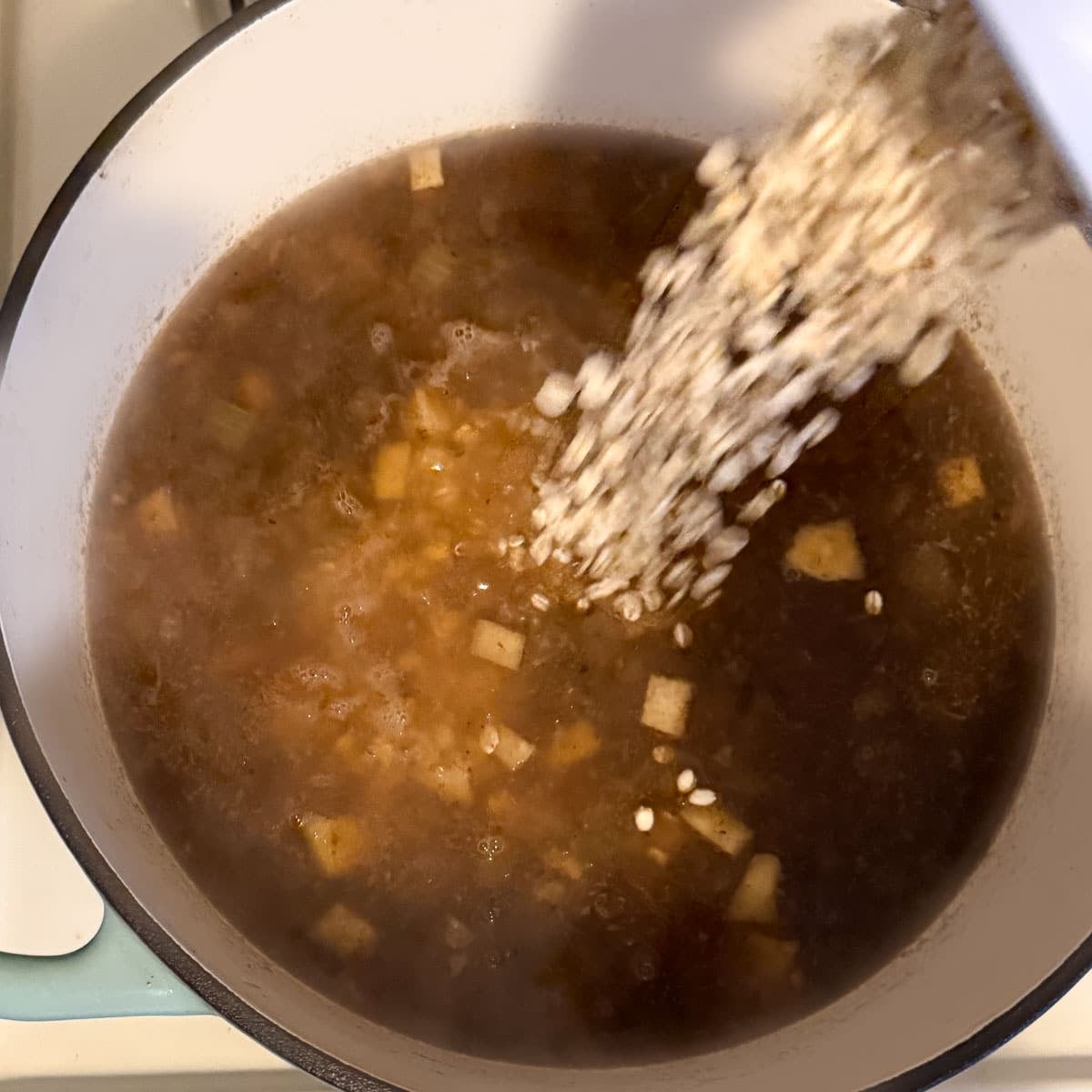
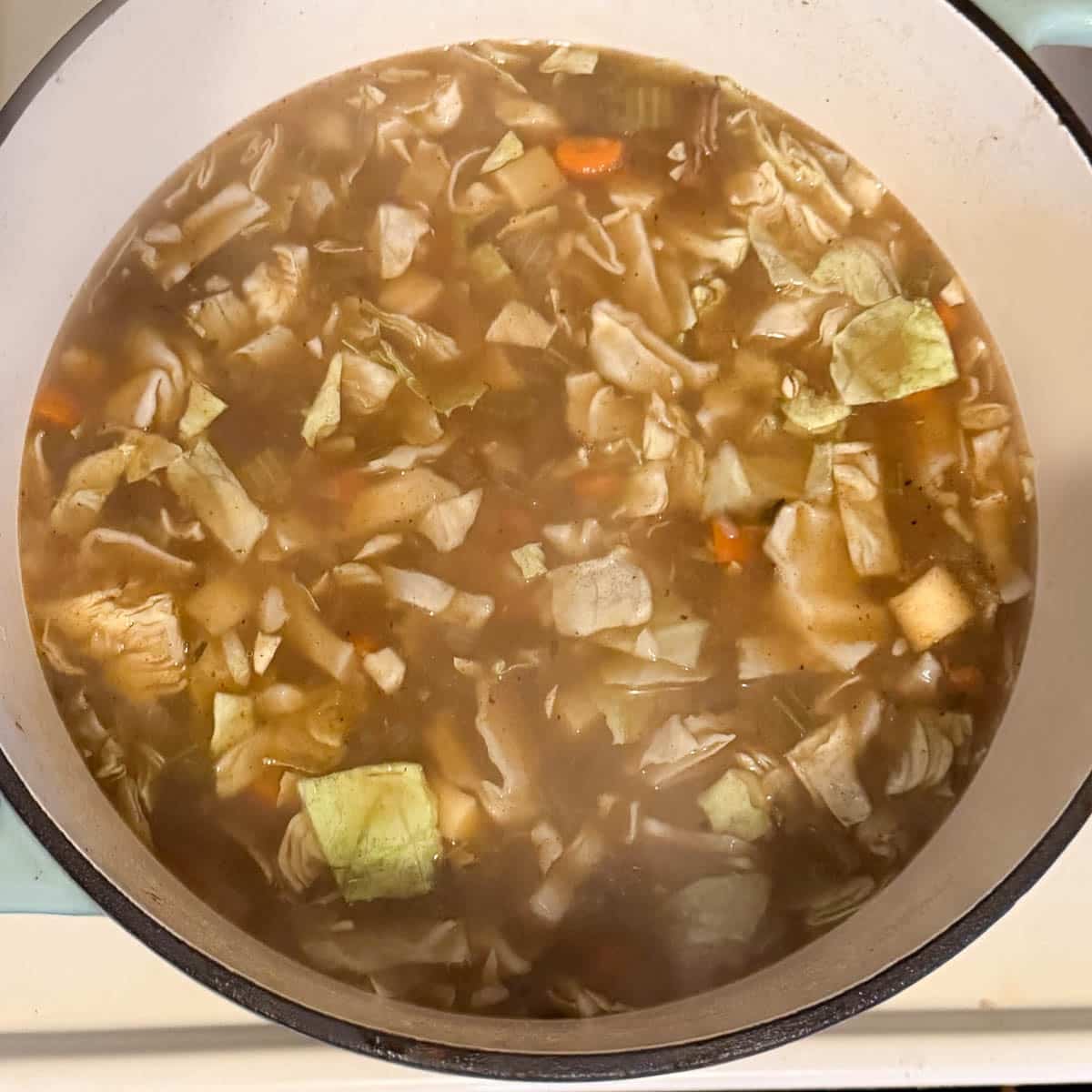
Step 7: Remove and discard bay leaves and rosemary sprig. Add quick pearl barley and chopped cabbage. Simmer uncovered for about 10-15 minutes, or until barley is tender and cabbage is softened. Remove from heat and finish off with apple cider vinegar and salt to taste, if necessary.
Step 8: Serve individual portions topped with fresh chopped parsley.
🤷🏻♀️ FAQs
What is the origin of Scotch broth?
Scotch broth originated in Scotland and has been enjoyed for hundreds of years. The earliest known reference to it in literature dates back to the 1600s, but its earliest form predates written history. Since ancient times, people in this region have made soup using local ingredients such as mutton, barley, and root vegetables, including the Pictish peoples who occupied the land between 300-900 AD.
What is the difference between pearl barley and quick pearl barley?
Quick pearl barley is partially cooked before it is rolled or dried, and as a result, requires less cooking time than regular pearl barley.
Does beef shank need to be cooked before adding it to Scotch broth?
While beef shank doesn't need to be fully cooked before adding it to this Scotch broth recipe, searing the outside until browned before adding the broth is encouraged, as it helps tenderize the meat and flavors the soup.
Is Scotch broth supposed to be thick?
Scotch broth should be hearty and substantial but still recognizably a soup. The split peas and barley naturally thicken the broth and will continue to do so as it cools.
👩🏻🍳 Pro Tips
- Taking your time to brown the beef shank before adding the broth contributes a surprising amount of flavor.
- Soaking the split peas before cooking isn't necessary, but don't forget to give them a good rinse.
- If the beef doesn't pull away easily from the bone, it simply needs more time in the pot. Beef shank contains a lot of connective tissue, so sometimes it can still seem tough after an hour or two of cooking. The meat should be fork-tender and come off easily when it's ready.
- This Scotch broth recipe will likely thicken as it cools, as the barley and split peas tend to absorb liquid over time. You can add additional broth to thin it out if desired.
- Refrigerate in an airtight container for up to 3-4 days.
- You can freeze this Scotch broth recipe for longer storage. For best texture, I recommend freezing individual portions and thawing them in the fridge overnight before serving, adding broth or water as needed.
🥣 More Soup Recipes You'll Love
If you enjoy this Scotch broth soup recipe, check out these other delicious soups!

Did you make this recipe?
📖 Recipe
Would you like to save this recipe?
Scotch Broth Recipe
Ingredients
Equipment
Method
- Pat beef shank very dry and season with salt and pepper. Heat oil in a large Dutch oven or pot over medium-high heat and sear the shank until deeply browned, about 3-5 minutes per side. Set shank aside.
- Reduce heat to medium and add butter, diced onion, and celery. Cook for 5-7 minutes, stirring occasionally, until softened and beginning to brown. Add minced garlic and cook an additional 30-60 seconds, or until fragrant.
- Deglaze the pot by pouring in chicken broth and gently scraping the bottom to release all the browned bits. Add Worcestershire sauce and Marmite, stirring until Marmite dissolves. Then add in bay leaf, thyme, rosemary sprig, and black pepper.
- Return beef shank and any accumulated juices to the pot. Bring to a gentle boil, then reduce to a low simmer and partially cover. Cook for 1 hour.
- Stir in rinsed split peas, then continue simmering for 30 minutes. Dice or shred root vegetables, add to pot, and simmer another 30-45 minutes, or until vegetables and peas are tender and beef easily pulls away from the bone.
- Remove beef shank and set aside until cool enough to handle. Remove meat from bone and shred or chop meat into bite-sized pieces and return to pot.
- Remove and discard bay leaves and rosemary sprig. Add quick pearl barley and chopped cabbage. Simmer uncovered for about 10-15 minutes, or until barley is tender and cabbage is softened. Remove from heat and finish off with apple cider vinegar and salt to taste, if necessary.
- Serve individual portions topped with fresh chopped parsley.
Nutrition
Notes
- I chose to shred the turnip and dice the other root vegetables for the sake of textural variety, but you can choose to shred or dice all of them if you prefer. The reason I don't add them at the same time as the split peas is to ensure that they soften without getting too mushy.
- Make sure to discard any tough pieces of connective tissue. If there's marrow in the bone, you can stir it into the broth, if desired.
- Taking your time to brown the beef shank before adding the broth contributes a surprising amount of flavor.
- Soaking the split peas before cooking isn't necessary, but don't forget to give them a good rinse.
- If the beef doesn't pull away easily from the bone, it simply needs more time in the pot. Beef shank contains a lot of connective tissue, so sometimes it can still seem tough after an hour or two of cooking. The meat should be fork-tender and come right off when it's ready.
- This Scotch broth recipe will likely thicken as it cools, as the barley and split peas tend to absorb liquid over time. Add additional broth to thin it out if desired.
- Refrigerate in an airtight container for up to 3-4 days.
- You can freeze this Scotch broth recipe for longer storage. For best texture, I recommend freezing individual portions and thawing them in the fridge overnight before serving, adding broth or water as needed.
Nena Sterner says
We hope you enjoy this recipe!