
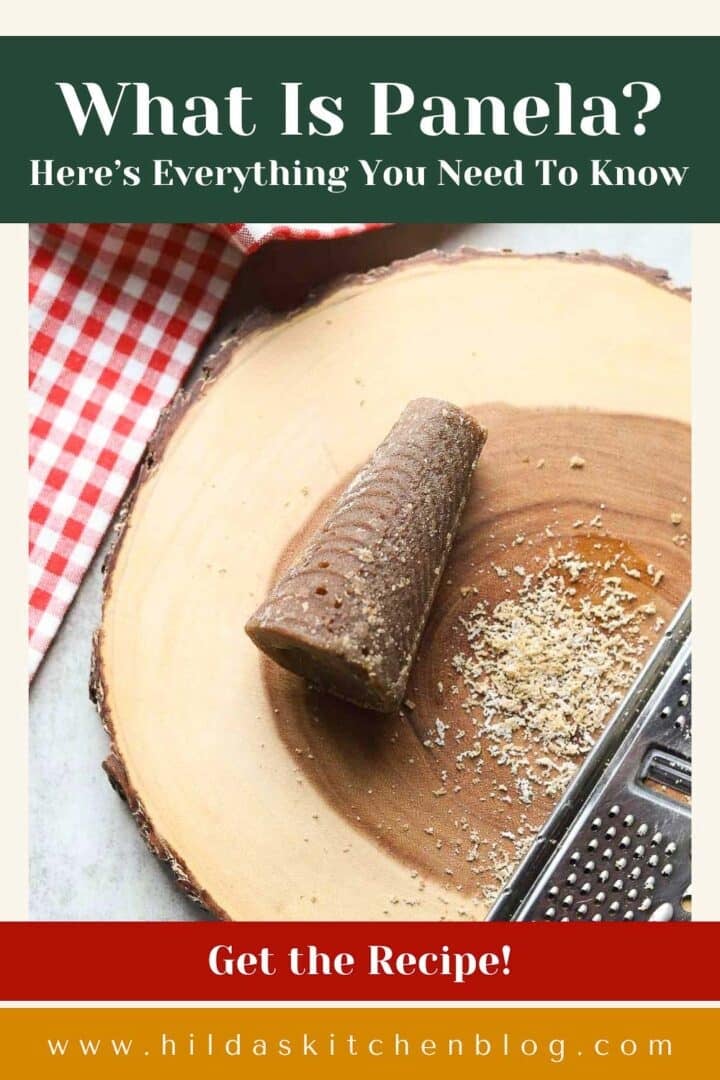
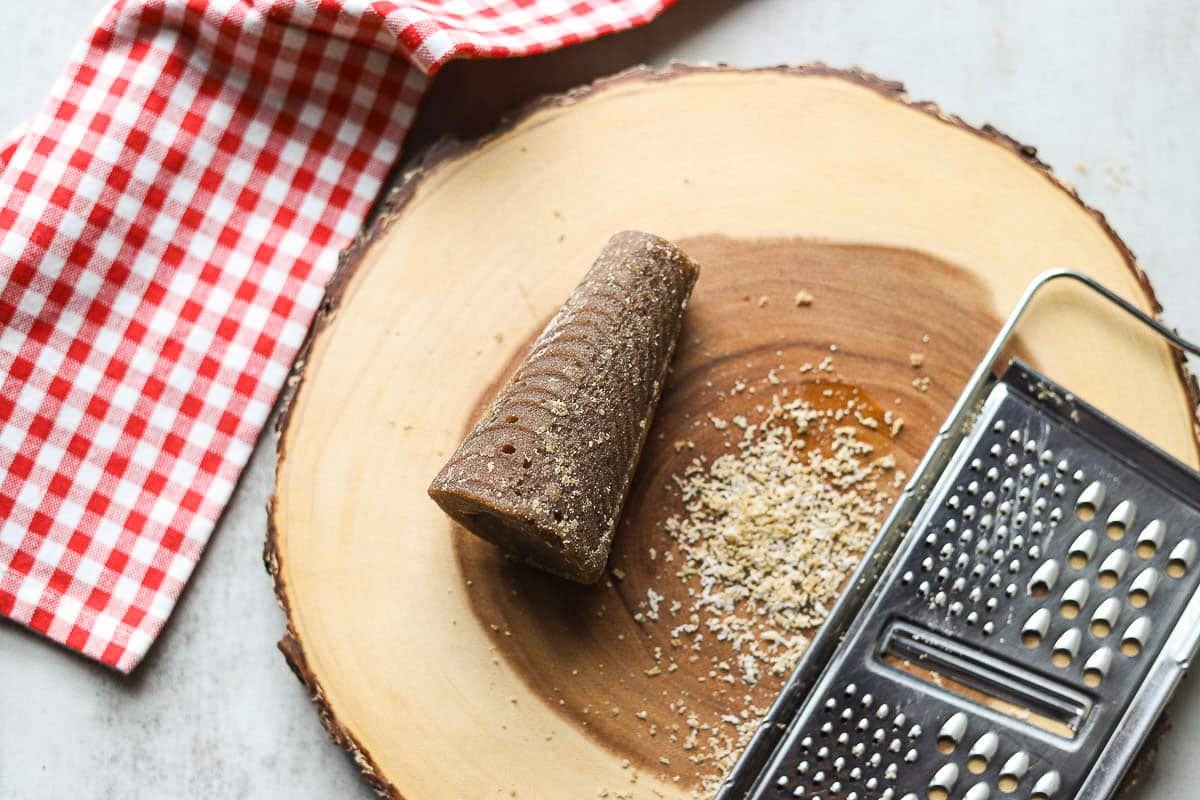
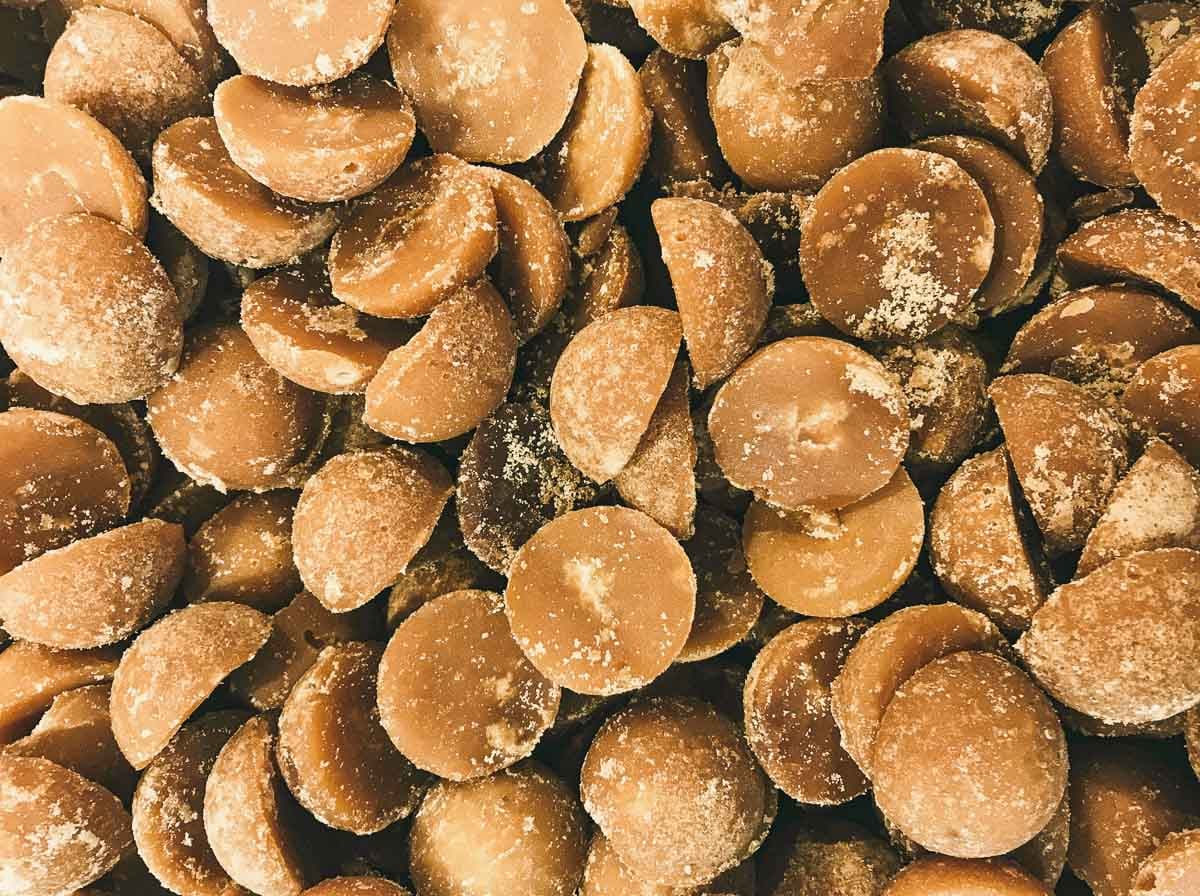
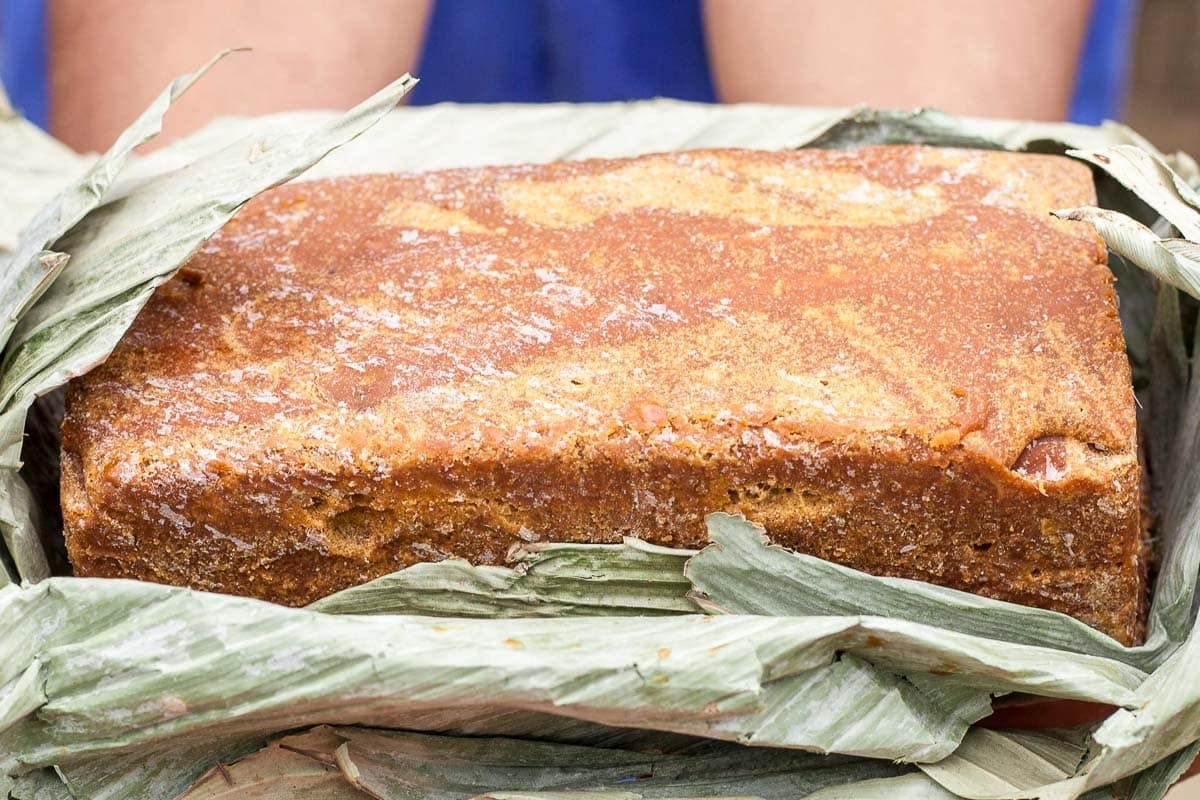
If you've ever browsed the international aisle at your local grocery store, you may have unknowingly stumbled upon panela (also known as piloncillo or rapadura), one of the most flavorful and ancient sweeteners in the world! These rustic sugar blocks are often shaped as cones, disks, or bricks and are an essential ingredient in kitchens across South America. Try it by replacing the granulated sugar in this apple cider martini!
Would you like to save this recipe?
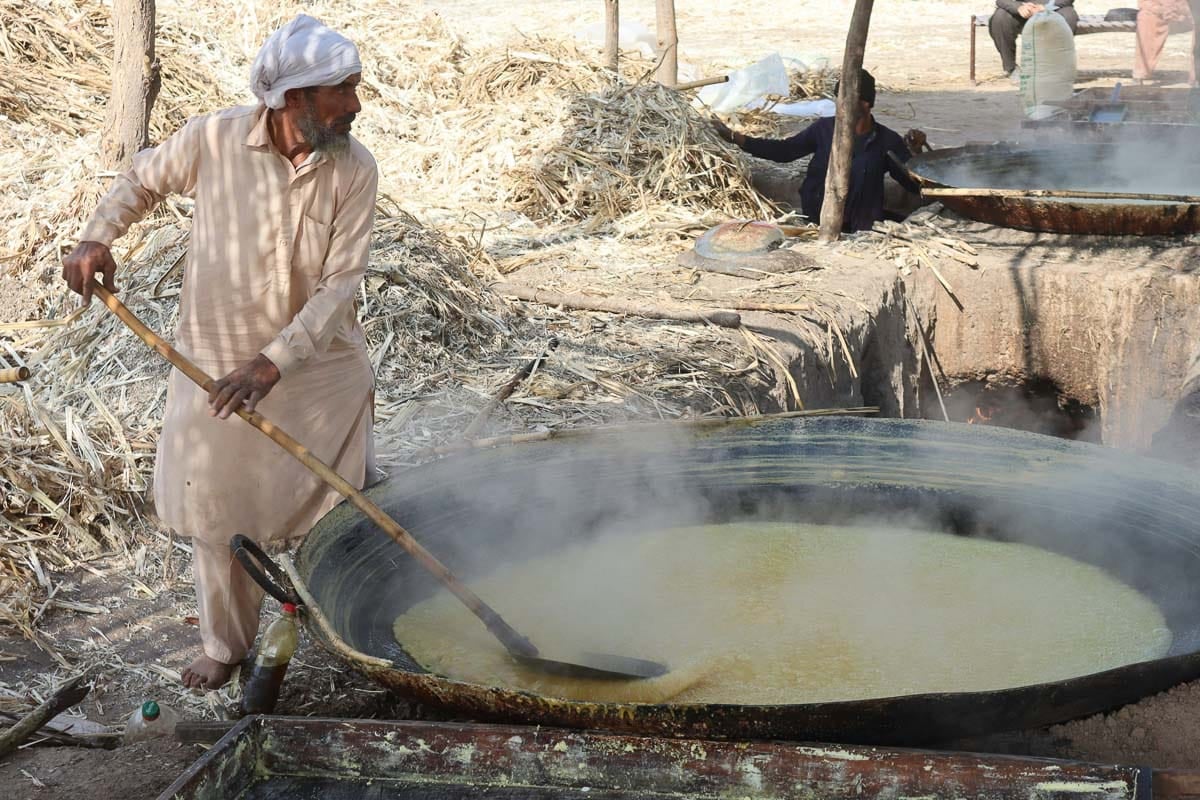
Unlike white sugar, which is heavily refined, panela is made from pure sugarcane juice that's been slowly cooked down and left to solidify. The result is a rich, caramel-like sweetener with deep, almost smoky notes that feel far more indulgent than ordinary sugar.
In this guide, we'll cover everything you need to know about panela/piloncillo/rapadura, from where to get it, how to use it, and how it's been made for hundreds of years.
Jump to:
What is Panela?

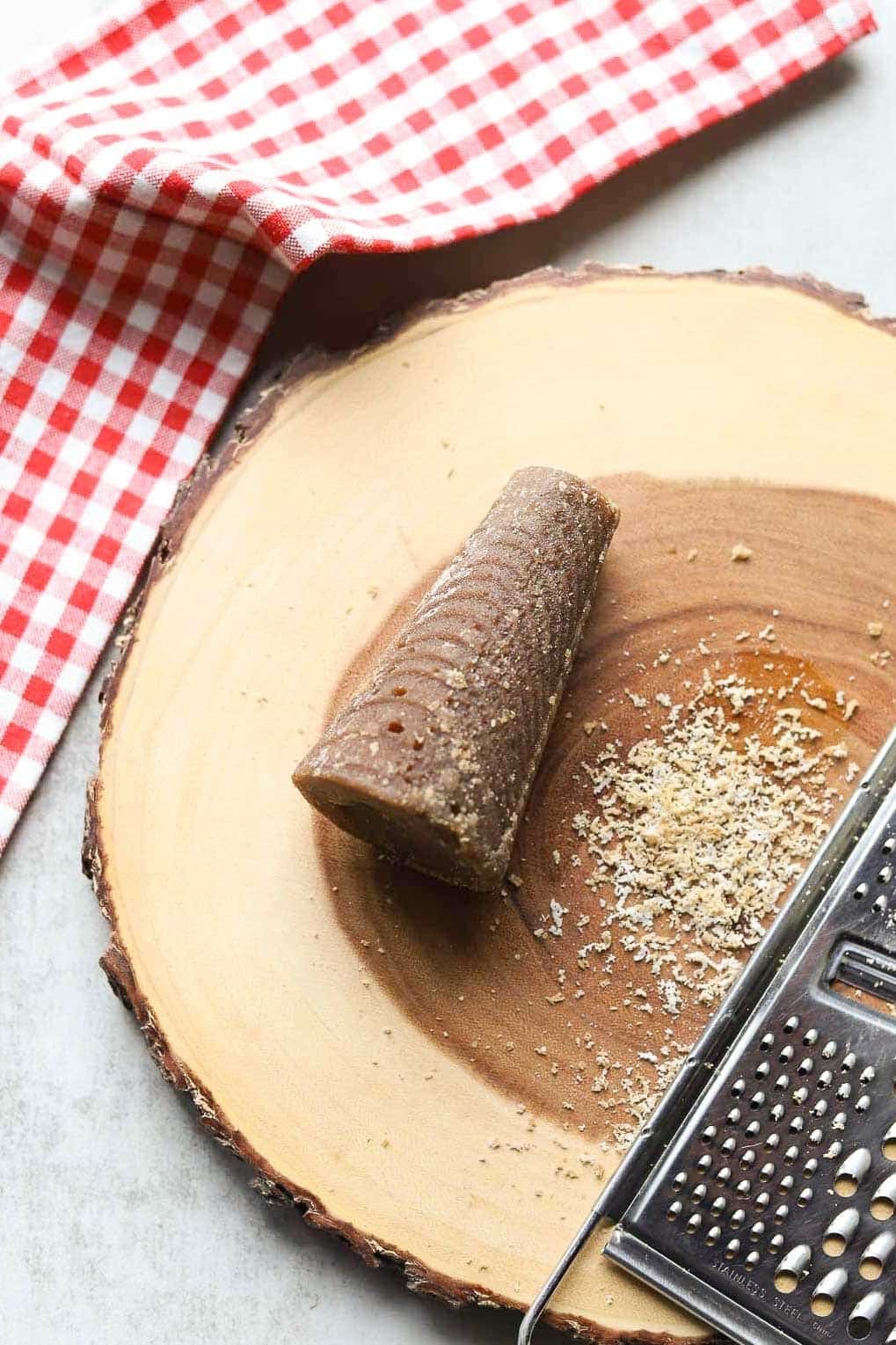
Panela is an unrefined whole cane sugar made by boiling fresh sugarcane juice until it thickens and crystallizes - not to be confused with panela queso, which is a mild Mexican cheese. You can buy it at many supermarkets, on Amazon, or at Latin American grocery stores.
While it can sometimes be sold in a granulated form, typical panela keeps everything intact - molasses, minerals, and all - giving it a deeper flavor and a more natural profile.
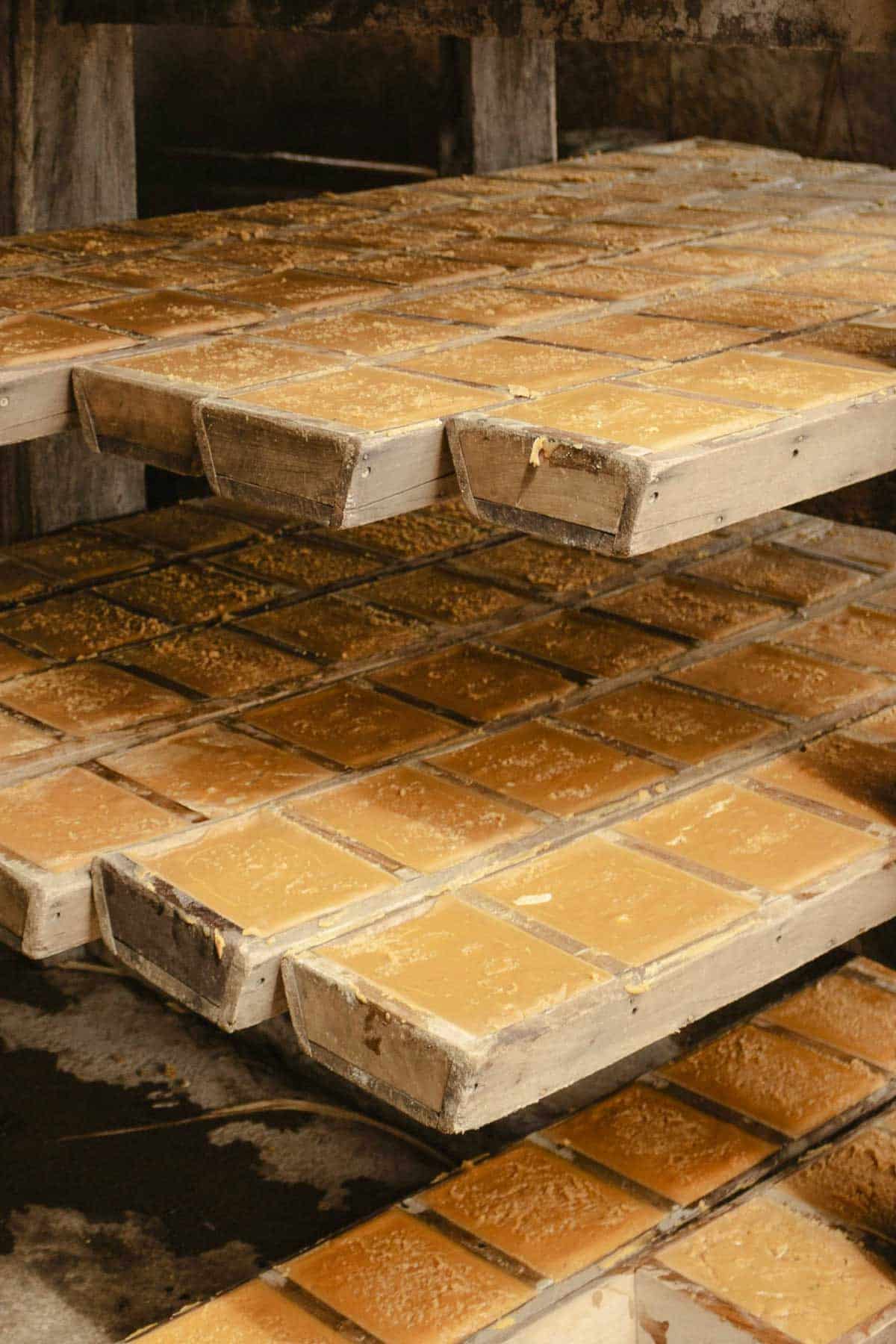
Panela can be found all over the world, most often in Latin America and the Caribbean. It is known by different names, such as:
México: Piloncillo
Columbia: Panela
Brazil: Rapadura
India: Jaggery
While the names and shapes vary, they all share the same idea: pure, unrefined cane sugar with far more character than a standard bag of sugar.
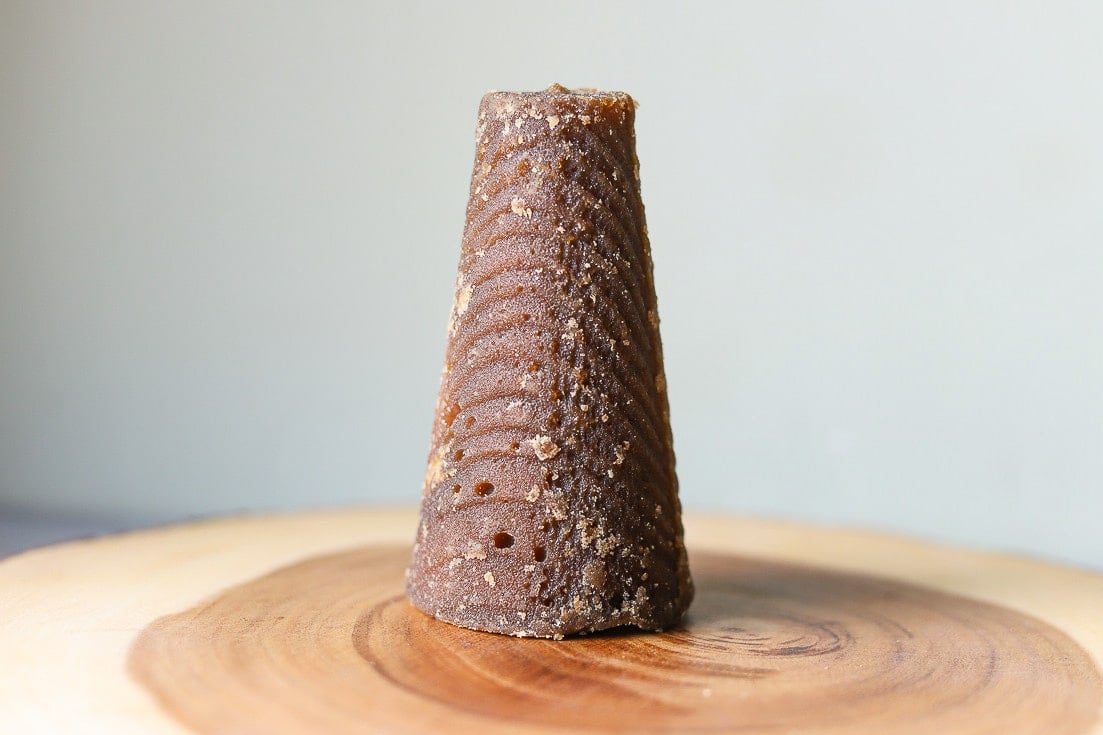
What Does Panela Taste Like?
Panela is sweet, but not in the flat, one-note way that white sugar is. Instead, it has:
- Deep caramel richness
- Molasses-like warmth
- Subtle smoky undertones
- Occasionally, a hint of spice or acidity
Is Piloncillo the Same as Brown Sugar?
While piloncillo can sometimes be substituted with brown sugar, it brings a depth of flavor that brown sugar simply can't replicate. You can think of panela as brown sugar's older, richer brother. 😉
Is Rapadura Better For You Than Sugar?
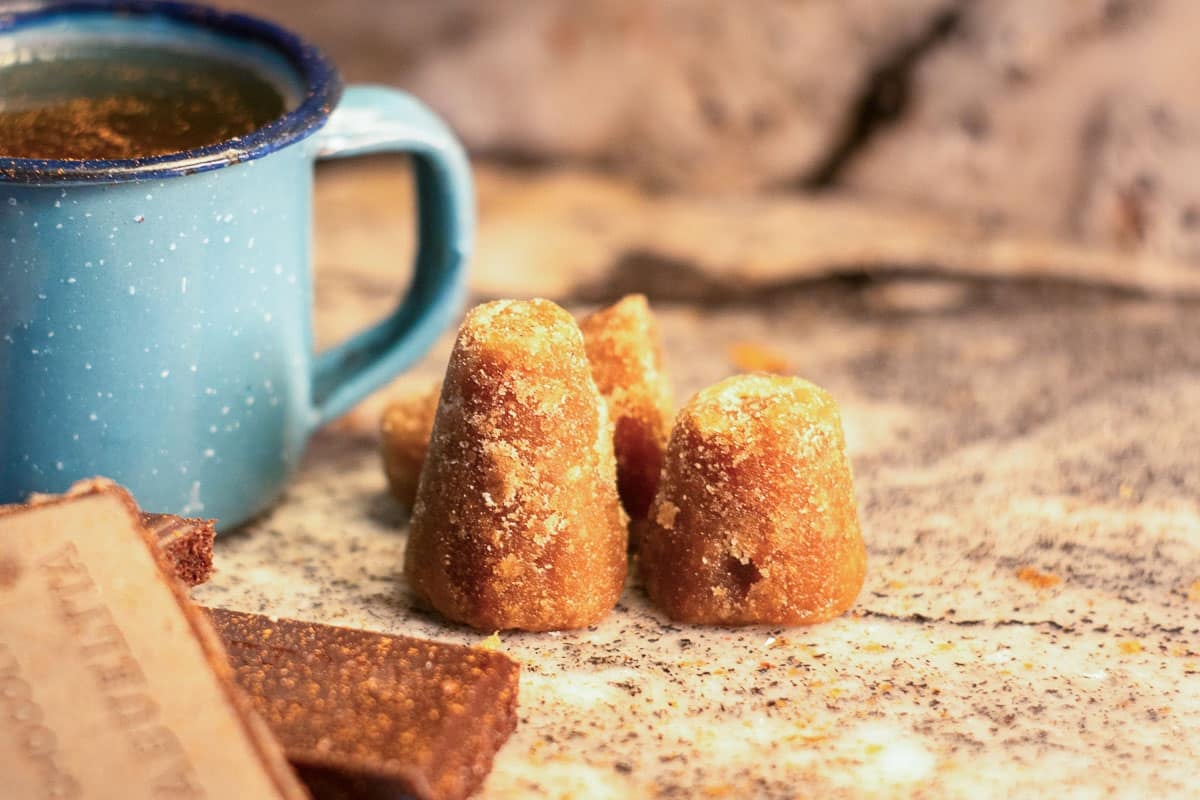
Because rapadura is unrefined, it retains small amounts of naturally occurring minerals such as iron, calcium, and potassium. While it's less processed than white sugar, it is still a form of sugar and should still be enjoyed in moderation. So, while it isn't necessarily healthier than regular sugar, it is a more natural option.
History of Panela
Panela has its roots in some of the earliest culinary traditions, originating in ancient India, where sugarcane was first cultivated and boiled into unrefined sugars like jaggery. As trade routes expanded, this process spread westward through the Middle East and into Europe.
When the Spanish and Portuguese colonized the Americas, they brought sugarcane and these traditional techniques with them, establishing sugar production in regions like Colombia, Mexico, and Brazil. In rural and mountainous areas where large-scale refining wasn't practical, people continued producing sugar in its simplest form, by boiling down fresh cane juice and letting it solidify into blocks, pucks, or cones.
How Is Piloncillo Used?
There are several approaches to using piloncillo in the kitchen, and ultimately, it depends on intent. One of the easiest methods is to simply grate it into a powder, which is ideal for baking. This caramel shortbread is a really simple recipe that calls for it.
Another versatile way to use piloncillo is to chop it into chunks, then simmer it with water until it dissolves into a simple syrup, also known as melado de panela. If it's too hard to easily cut through, you can soften it in the microwave for 10-15 seconds. Optionally, you can infuse the syrup with a cinnamon stick and cloves, or you can use the piloncillo in place of the brown sugar in this salted caramel sauce recipe.
Panela syrup can be stirred into your iced Americano or tea, drizzled over pancakes or waffles, or used to sweeten oatmeal or these baked protein oats. You can also use it in cocktails or mocktails and in sauces, glazes, or marinades.
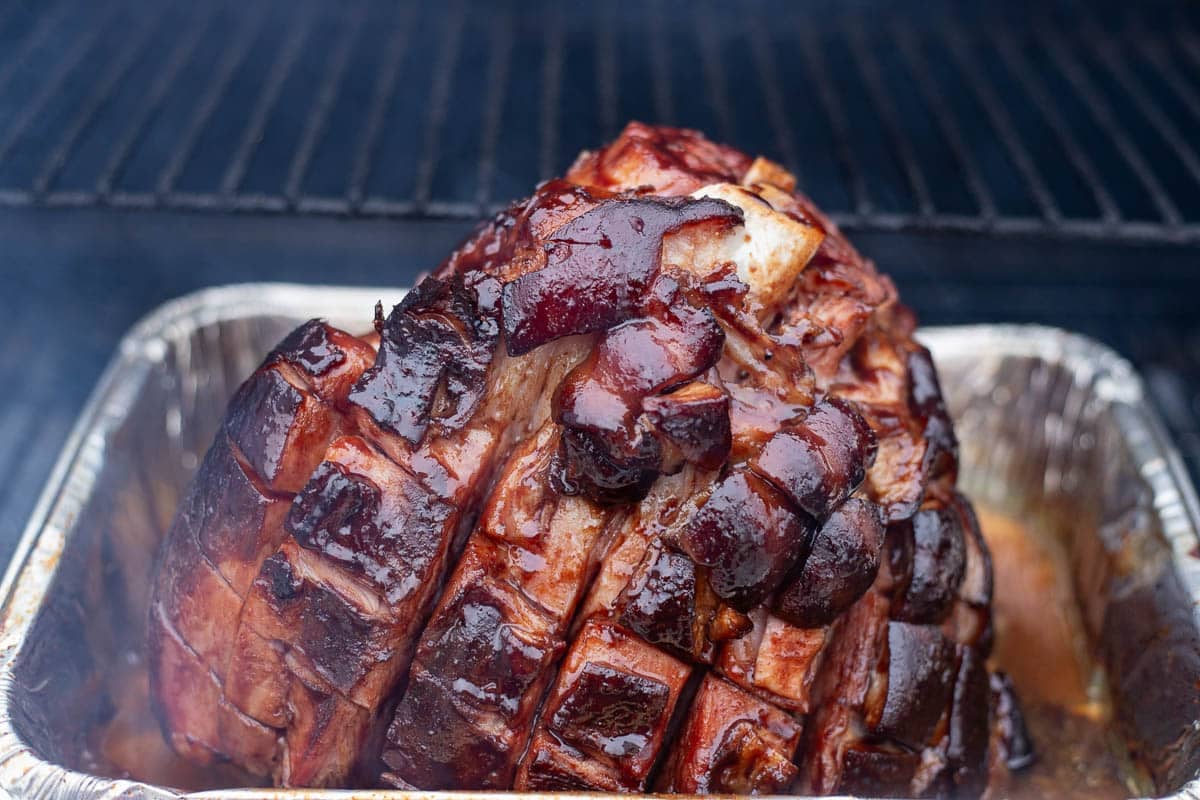
I recommend using rapadura in a glaze for baked ham, then using leftover ham to make these Colombian ham and cheese arepas.
You can also dissolve panela in water to make aguapanela, a sweet drink that's very popular in Colombia and can be served hot or cold, usually with lime juice.
FAQs
If you can't find panela, your next best options are dark brown sugar, jaggery, or muscovado sugar. That said, none of these perfectly replicate panela's unique flavor.
Piloncillo is incredibly shelf-stable and can last for months or even years when stored properly. Keep it in an airtight container once opened, and store it in a cool, dry place.
Yes, and it often makes baked goods more moist and flavorful thanks to its natural molasses content.
Queso panela is a mild, fresh cheese, similar to queso fresco, but completely unrelated to the raw sugar. The root of both "panela" and "panela cheese" comes from the Spanish "pan", meaning "bread", and refers to the loaf-like shape both are sometimes molded into.
More Food Articles
Next time you pass that piloncillo or rapadura at the grocery store, you'll know exactly what to do with it! Keep the learning going with these helpful articles.
Comments
No Comments