
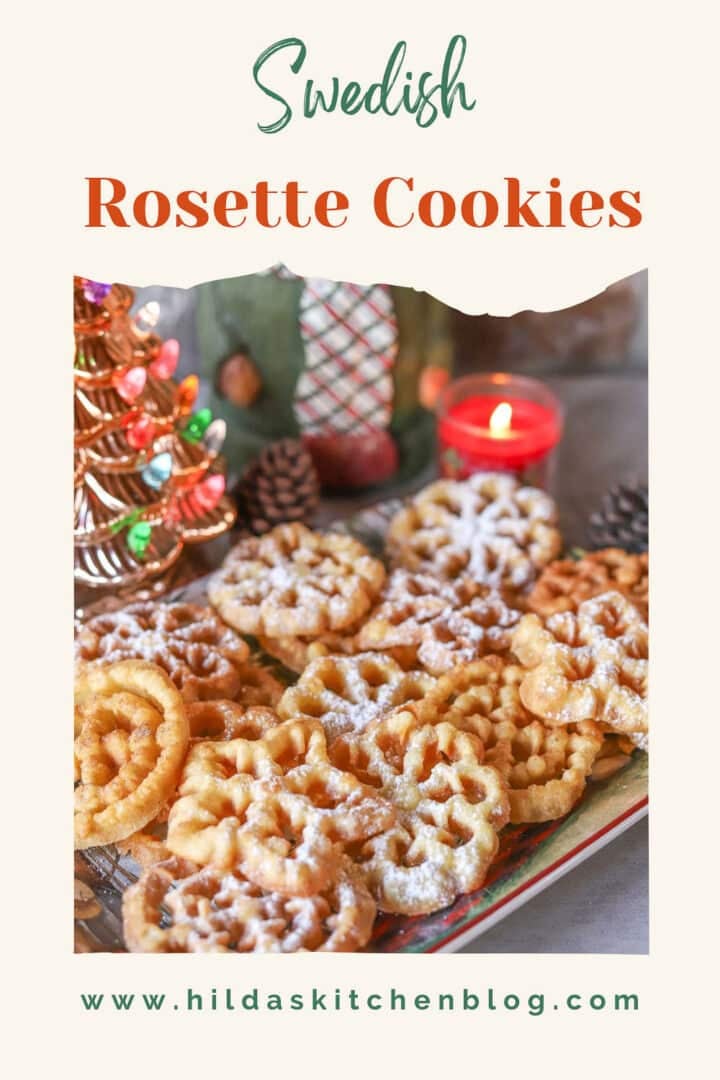
Rosette cookies are thin, crispy cookies fried using a pretty decorative iron and dusted with powdered sugar. There's a bit of a learning curve, much like making pizzelle cookies for the first time. But once you get the hang of it, this rosette cookie recipe will become a Christmas favorite!
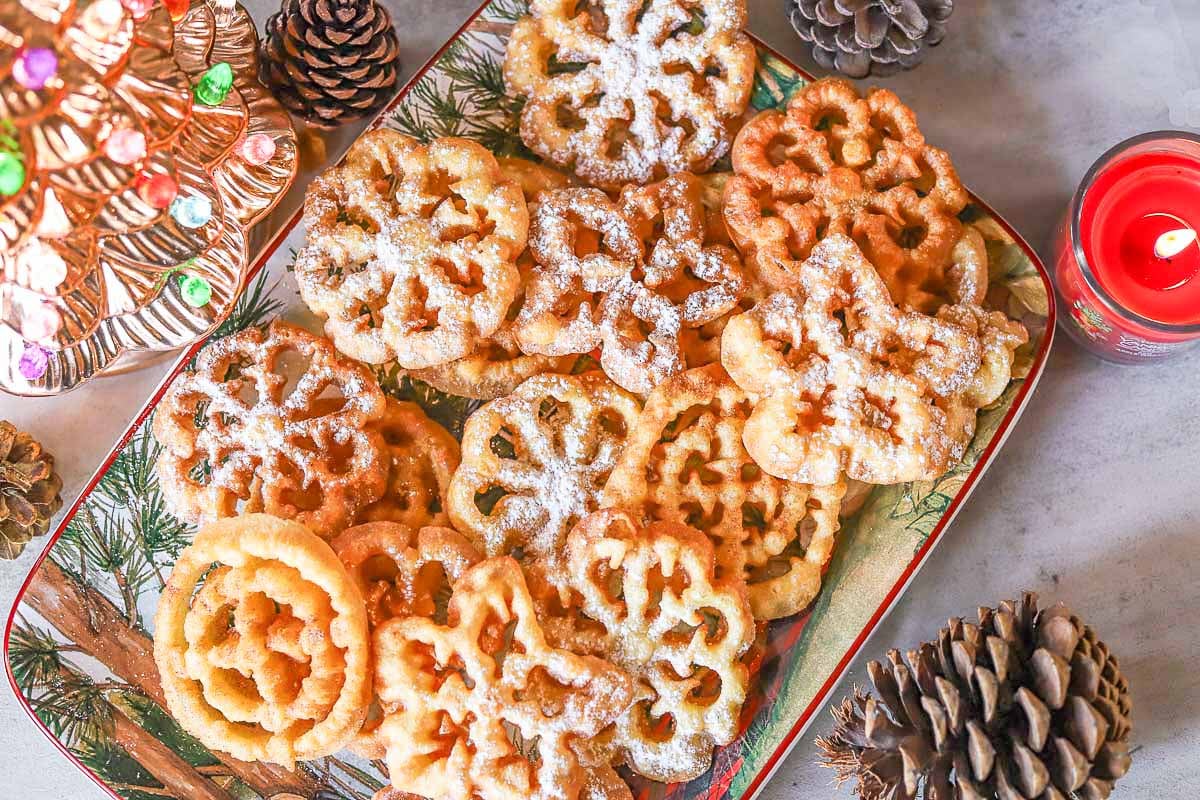
I bought my rosette iron years ago, and it has sat in the cupboard ever since. Every year I think about making rosette cookies, but never get around to it.
Then a friend posted on Facebook about how she hasn't had rosette cookies since her grandma used to make them for her. And just like that, I decided it was time to dust off my rosette iron and make some rosette cookies. If yours is tucked away too, it's time to pull it out!
This is the same basic rosette recipe that families have been making for generations, and it's the same one that came in the box with my iron. Add a pinch of ground cardamom to the batter, a little finely grated orange or lemon zest, or swap the vanilla for anise, almond, lemon, rum, or brandy extract to make this recipe your own!
Jump to:
What Are Rosette Cookies?
Rosettes are made by dipping a hot, decorative iron into a thin batter, then frying it in hot oil until the cookie turns light golden and slides off. They're a Christmas tradition in Sweden and Norway, where they're called struvor and rosettbakkels, and in plenty of Scandinavian-American families.
Other cultures make their own versions with the same kind of iron, like buñuelos de viento in Mexico, achappam in Kerala, India, kokis in Sri Lanka, and nan-e panjereh ("window bread") in Iran.
Ingredients & Substitutions
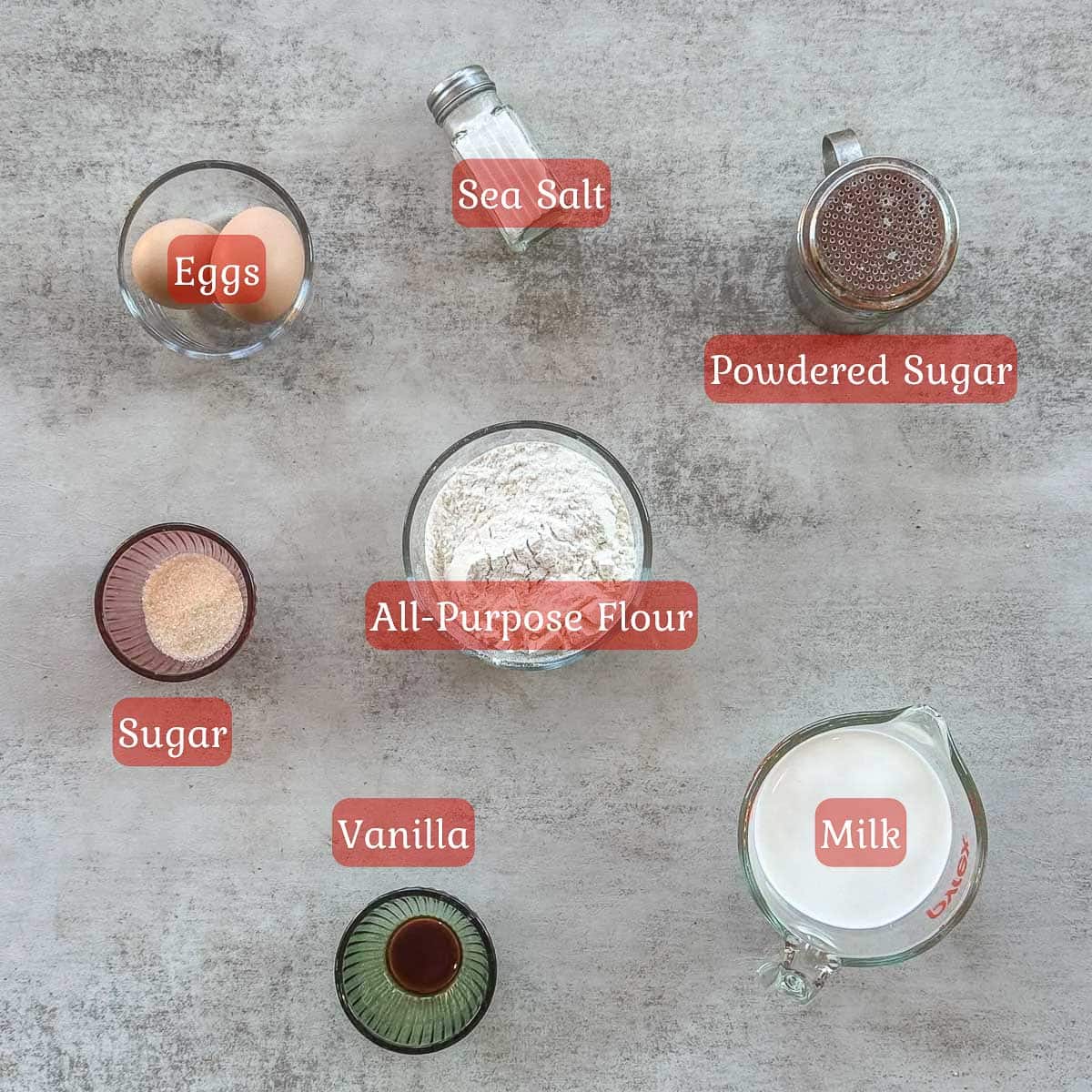
- Eggs: Two large eggs, lightly beaten.
- Milk and Flour: Sifted all-purpose flour and milk make a thin, smooth batter about the consistency of heavy cream.
- Sugar and Salt: Just a tablespoon of sugar goes in the batter. Rosettes aren't very sweet on their own, so most of the sweetness comes from the topping.
- Vanilla: Pure vanilla extract is the classic flavor, or try one of the other flavors mentioned above.
- Oil: Use a neutral oil that can handle high heat, like corn oil, vegetable oil, canola, or peanut oil.
- Topping: Powdered sugar or powdered sugar mixed with a little cinnamon.
*See the recipe card for a complete list of ingredients.
How to Use a Rosette Iron
A rosette iron is a long handle with metal molds that screw onto the end, in shapes like snowflakes, stars, and flowers. Mine also came with timbale molds for making little cups, and the handle holds two molds at once, so I could fry two cookies at a time. Some rosette and timbale sets have the option of frying 3 at a time.
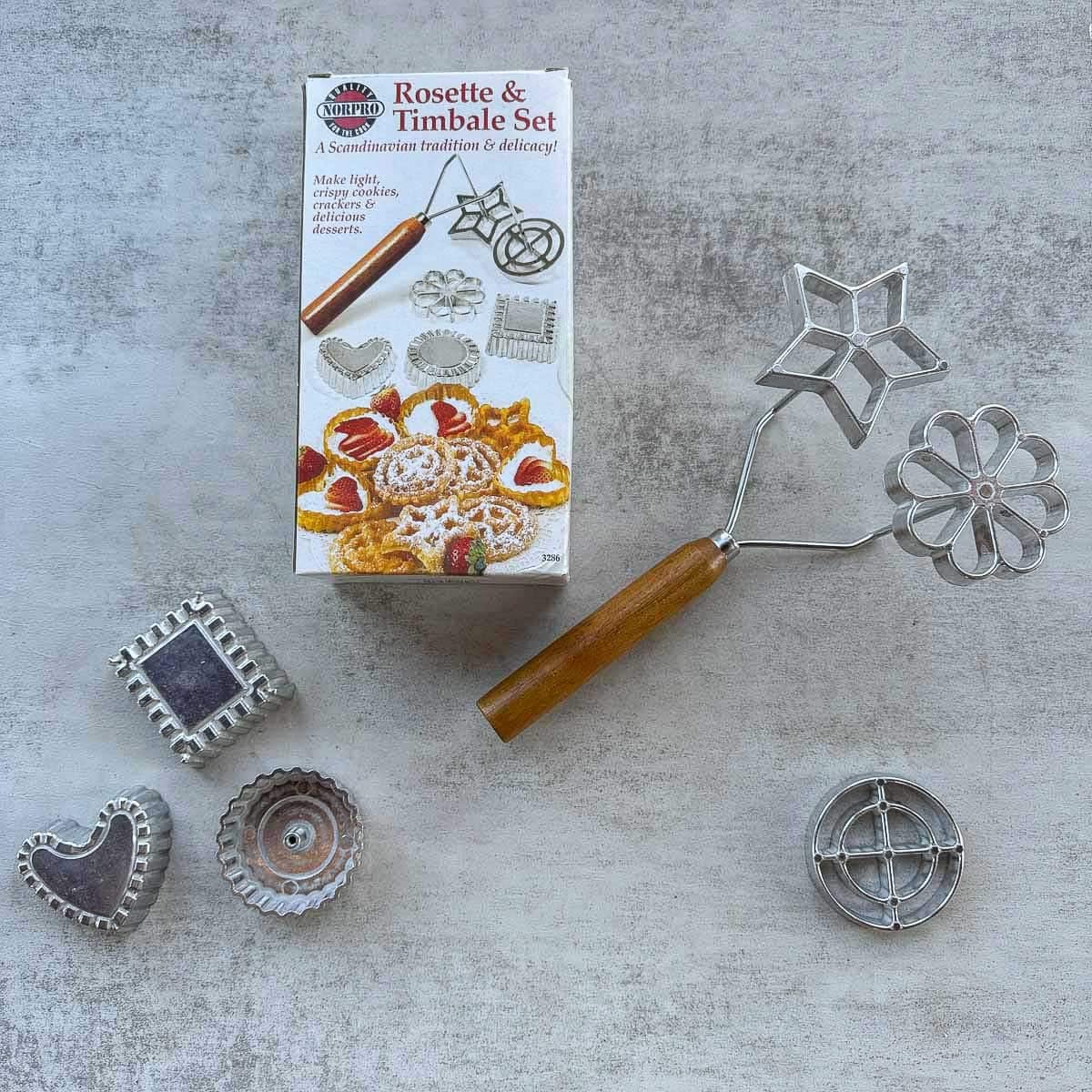
If your iron is new or has been sitting in a drawer for a while, wash and dry it well, then heat the molds in the hot oil for a few minutes before you make your first cookie. This seasons them so the cookies release more easily.
How to Make Rosette Cookies
Step 1: In a medium bowl, lightly beat the eggs. Add the sugar and salt and whisk to combine. Add the milk and flour a little at a time, alternating between the two, and whisk well until the batter is smooth. Stir in the vanilla. Cover the bowl and chill the batter for about 2 hours.
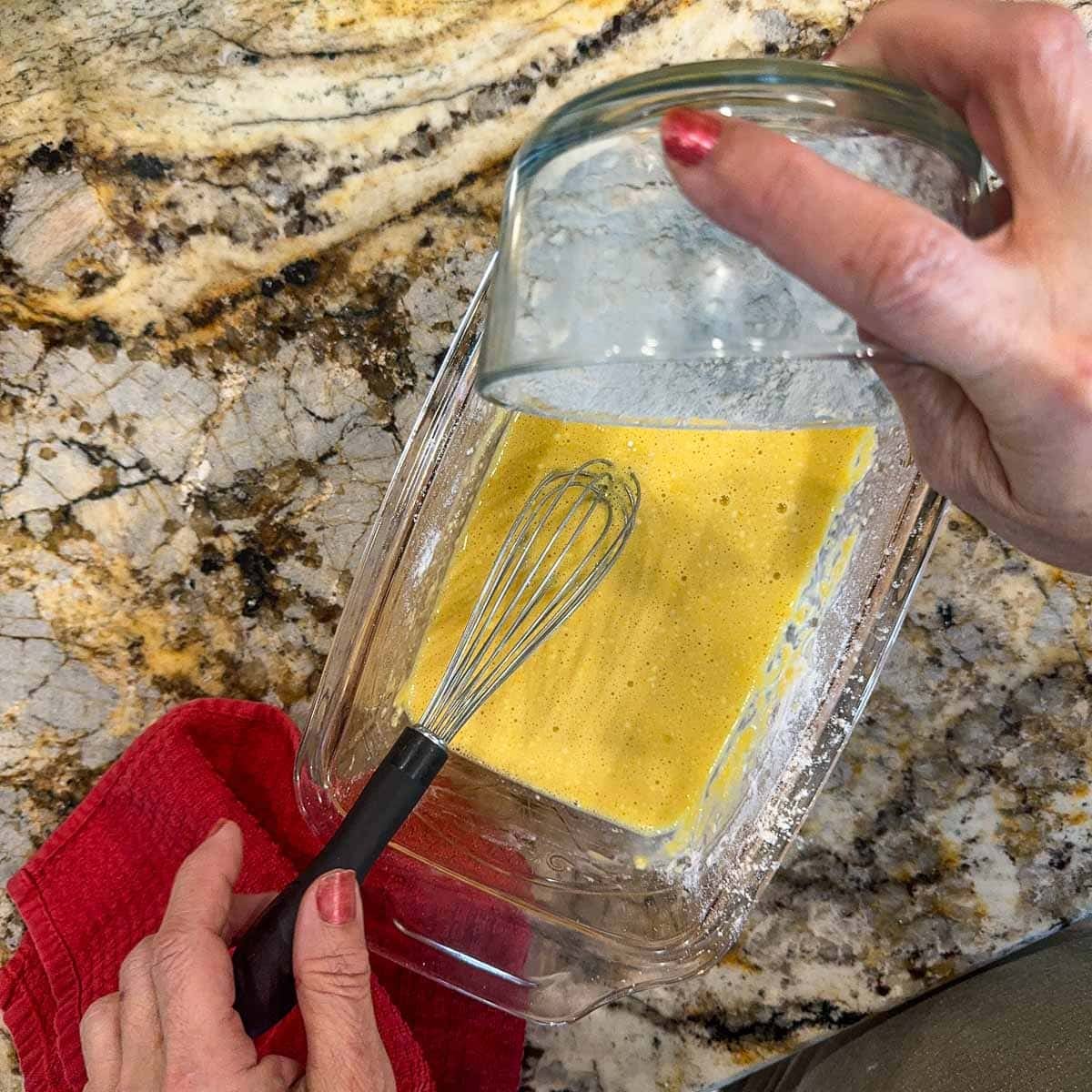
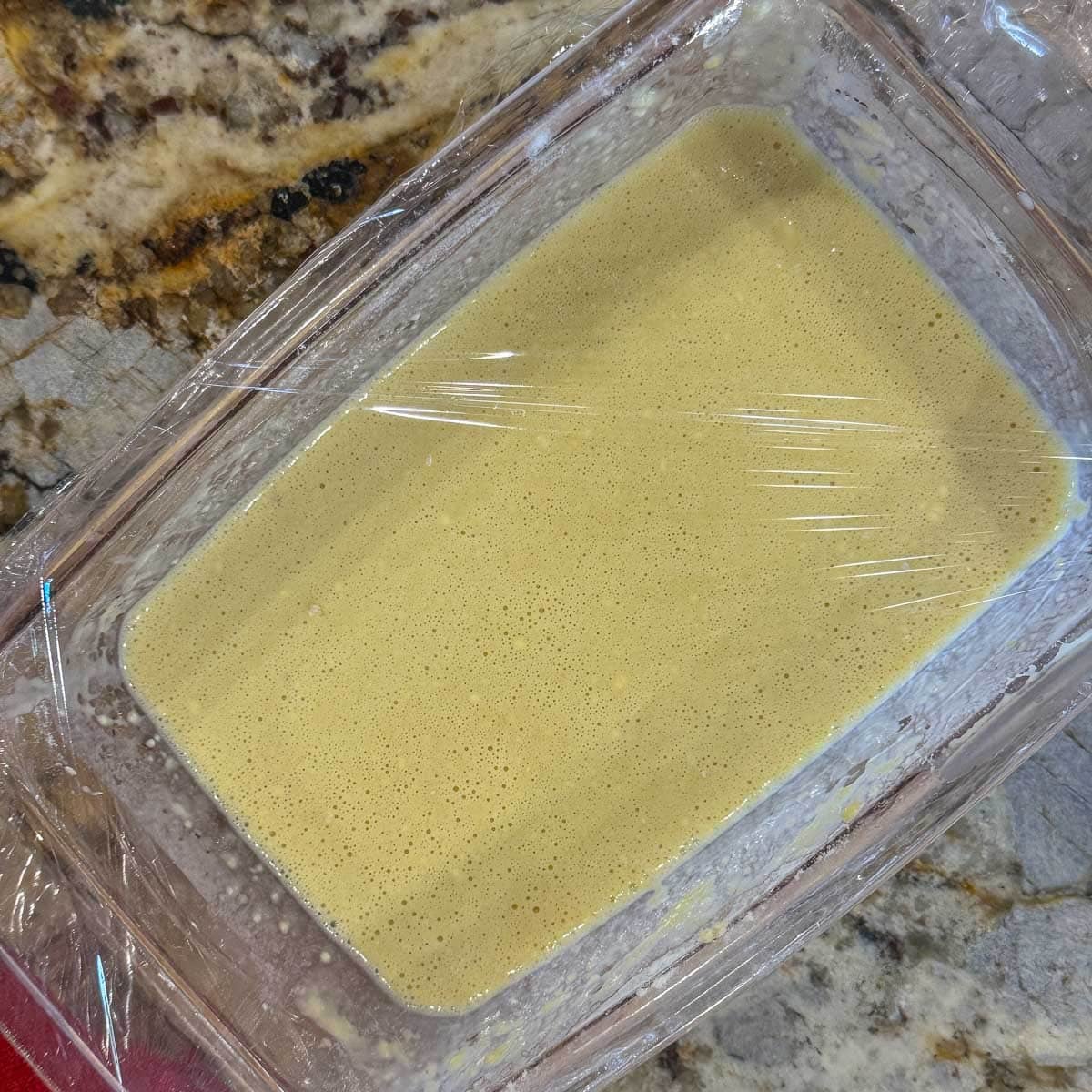
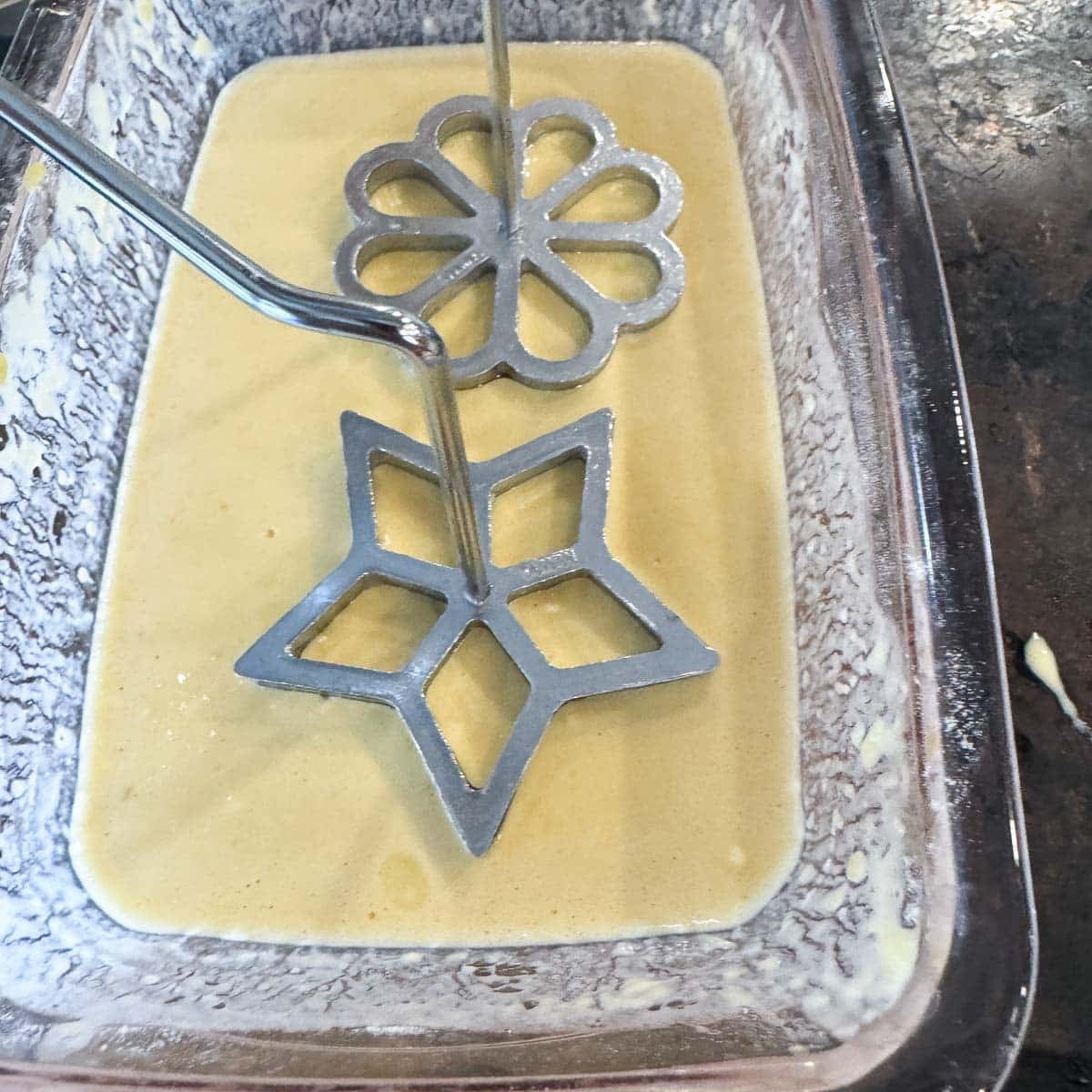
Pro Tip: I mixed the batter in a flat-bottomed rectangular dish, thinking it would make dipping the mold easier. But it was hard to whisk the batter, and it had to be scraped off the sides and corners. Instead, mix the batter in a bowl, then pour it into a shallow rectangular dish when you're ready to fry the cookies.
Step 2: Prepare your workstation with a tray lined with paper towels, a thermometer, and a fork. Pour 2 inches of oil into a heavy skillet, pot, or deep fryer and heat to 350°F to 375°F. Attach the molds to the handle and set them in the oil to heat up for a minute or two. Lift the iron out, let the extra oil drip off, and blot it on a paper towel.
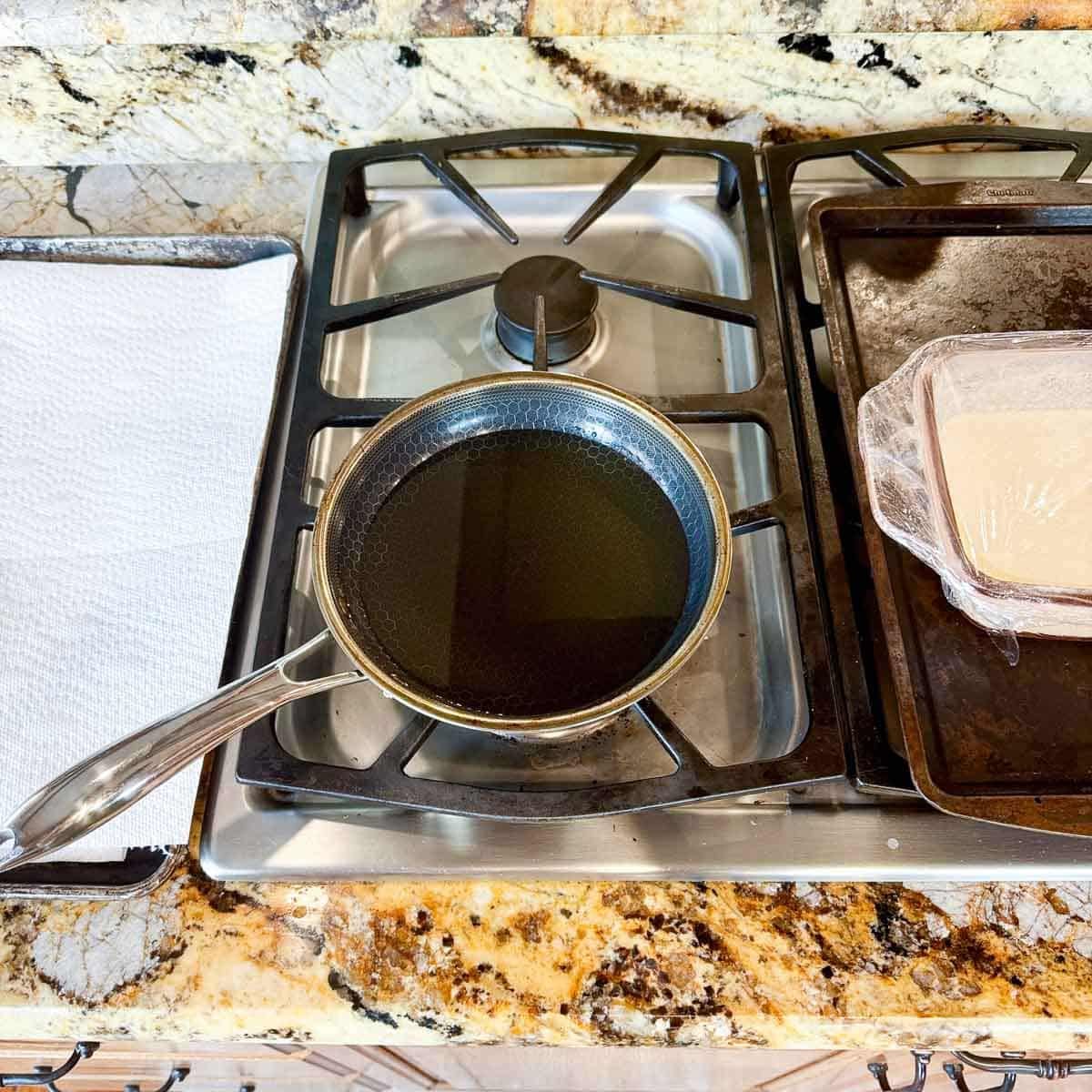
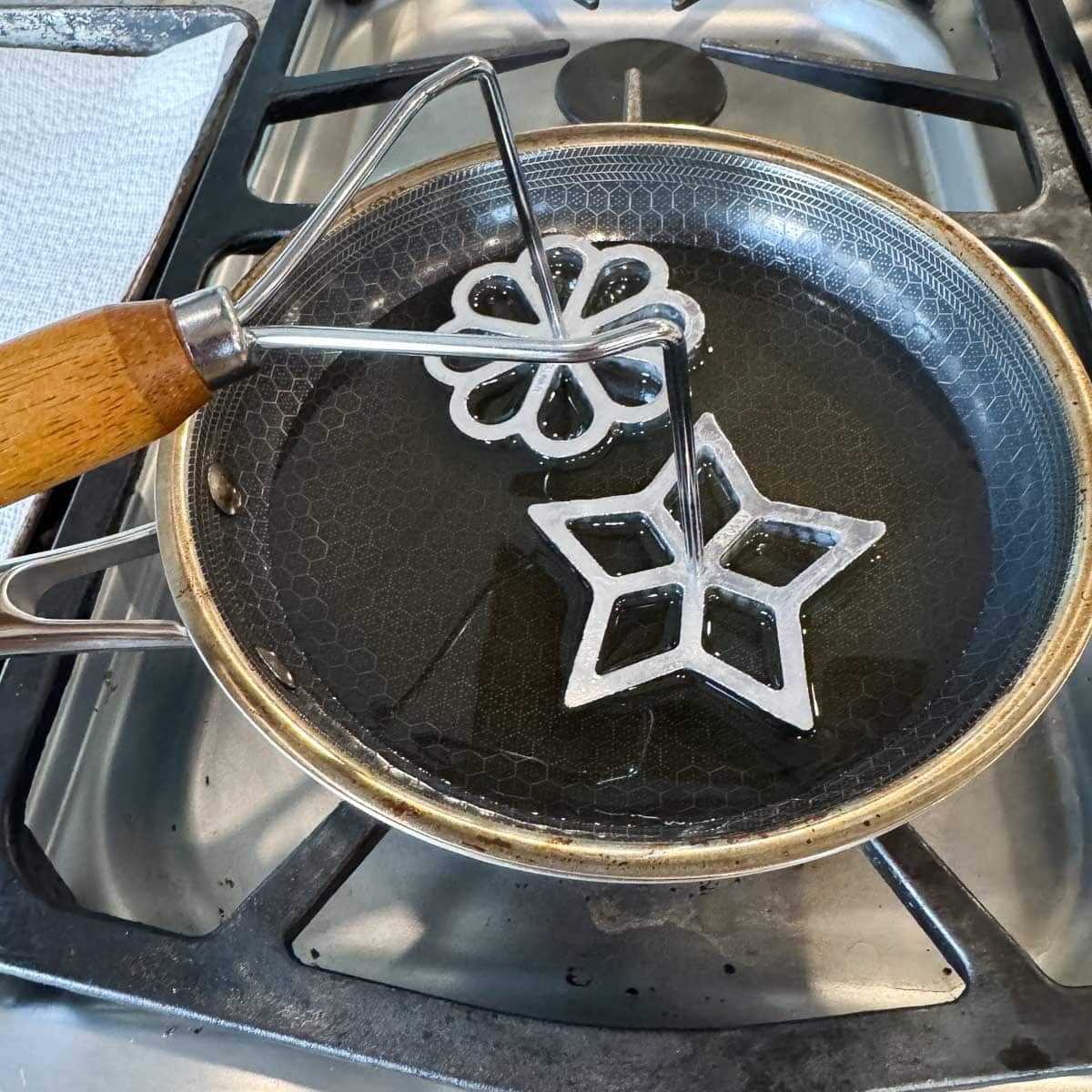
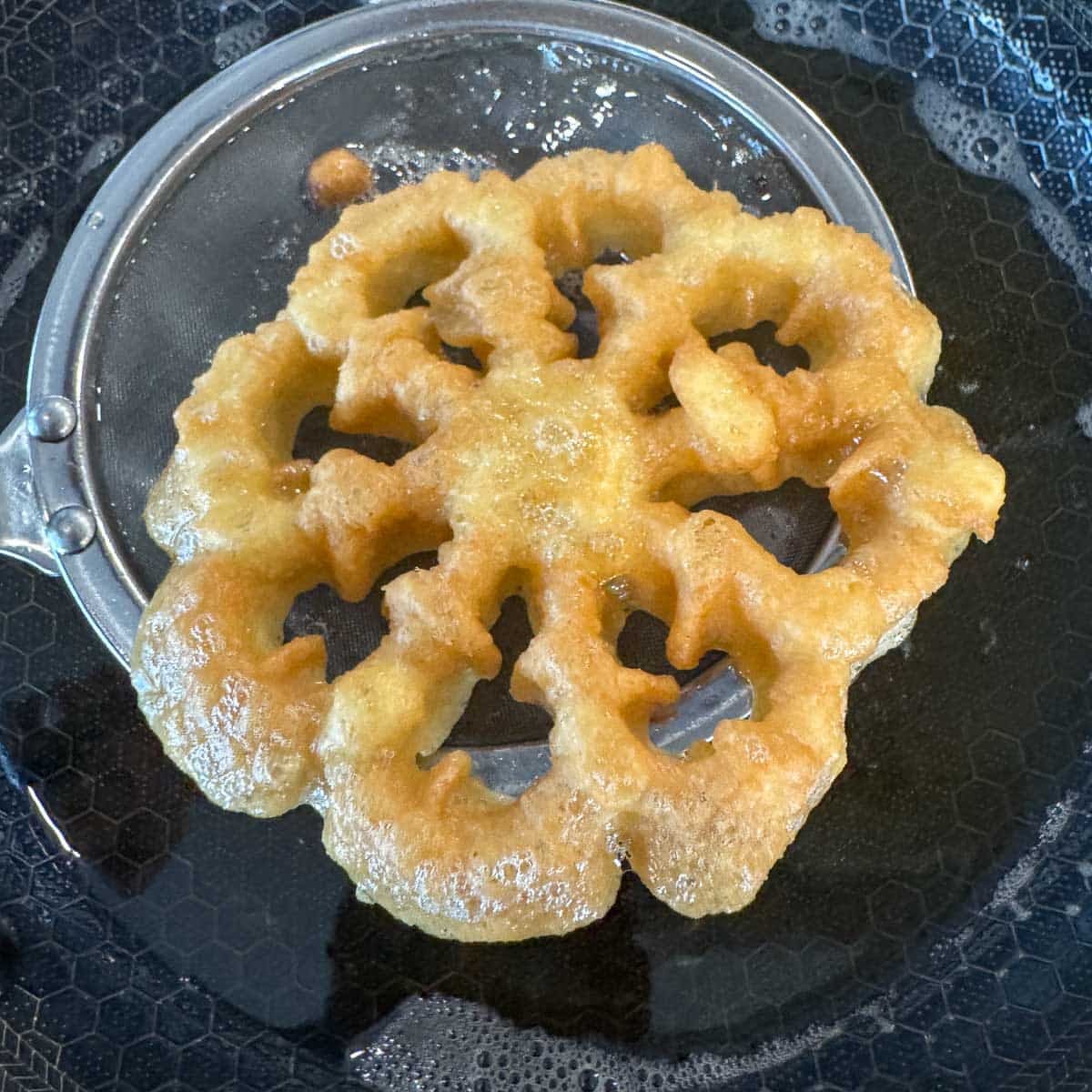
Step 3: Dip the hot iron into the batter without letting the batter go over the top. Lower the iron into the oil so the mold is completely covered. Fry until the bubbling slows down and the rosette is light golden, about 20 seconds. Flip with a fork halfway through.
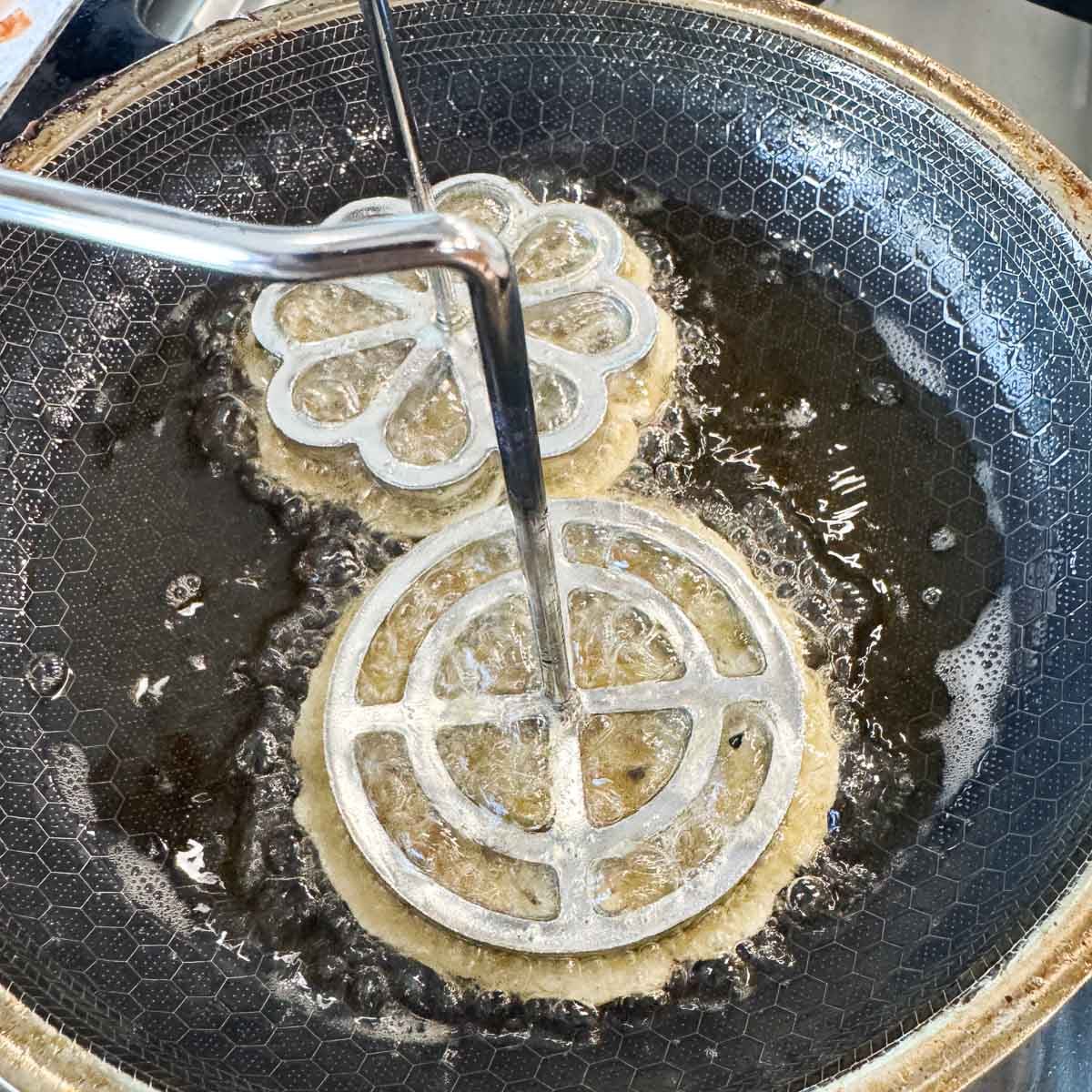
Pro Tip: Wiggle the iron, if necessary, to remove cookies from the iron. If they are stuck, use a fork to dislodge them.
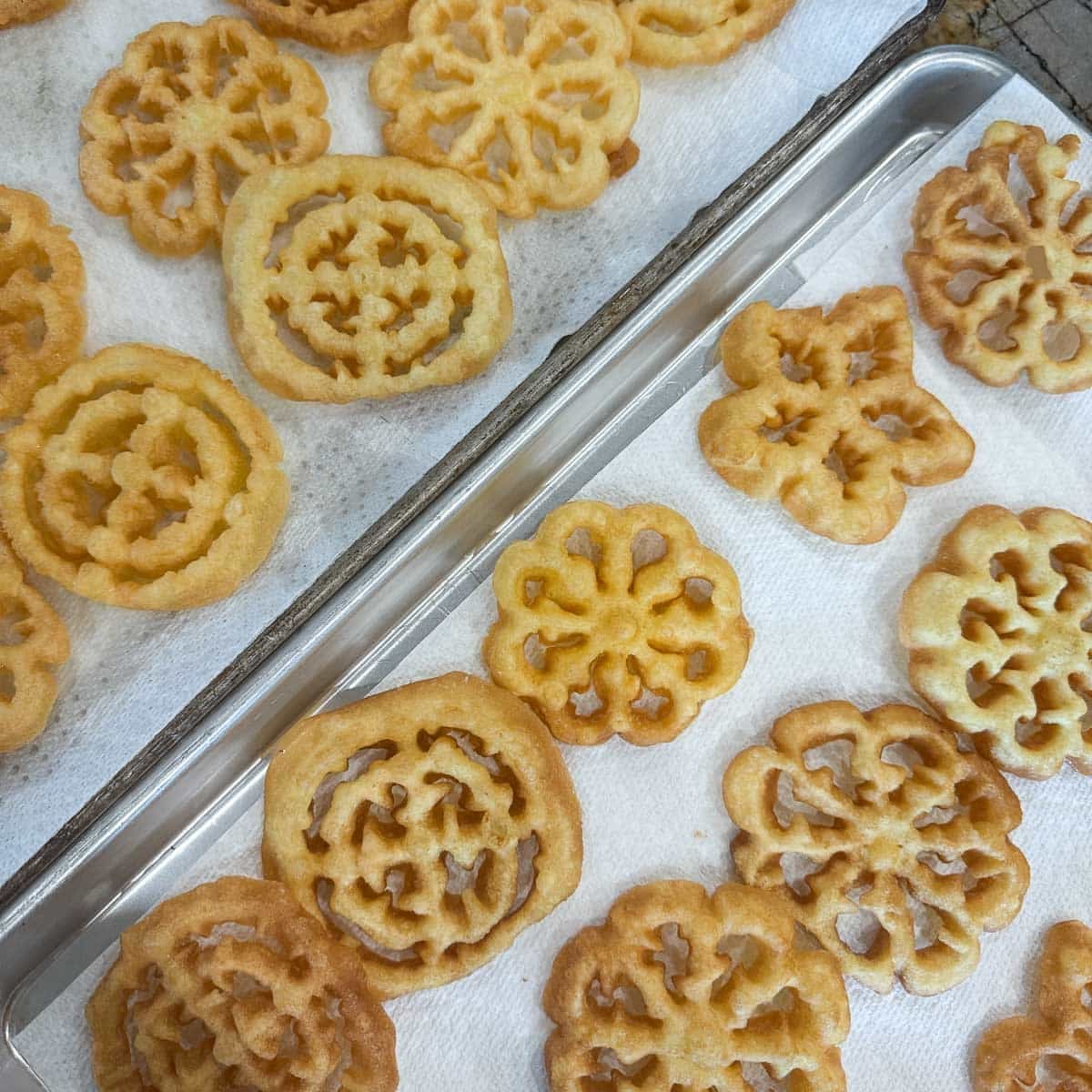
Step 4: Set the rosettes open side down on paper towels or a wire rack to drain. Put the iron back in the oil to reheat, and repeat with the rest of the batter. Once they're completely cool, dust them with powdered sugar (and cinnamon, if you like). If you're serving them later, dust them right before serving.
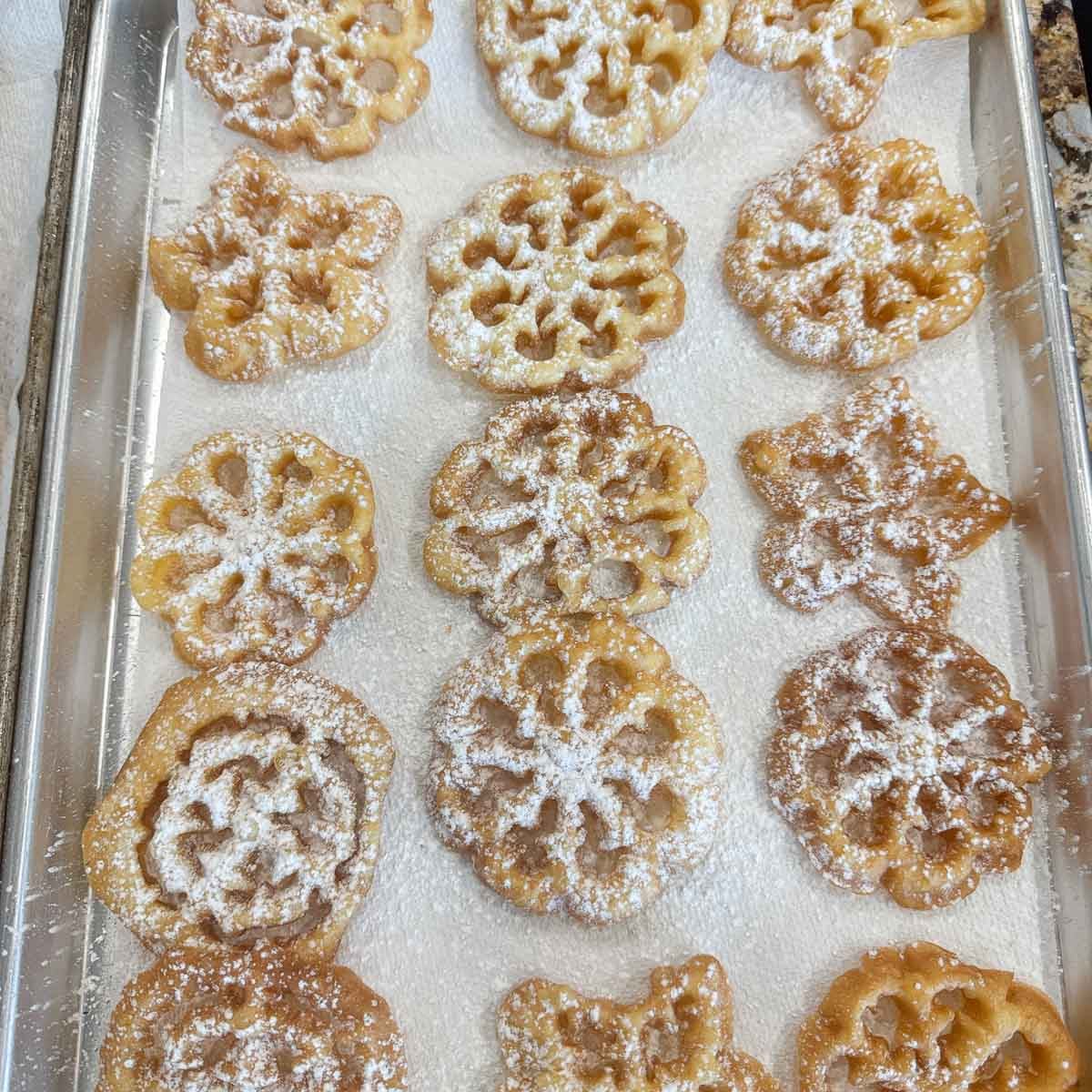
Rosette Troubleshooting
Why won't the batter stick to the iron?
The mold usually isn't hot enough, so put it back in the oil for a minute. Check your oil temperature too.
Why is the batter sliding off the iron?
Too much oil on the iron is usually the culprit. The batter can't grab onto a slick mold, so it slides right off as soon as it hits the hot oil. Dab the iron on a paper towel every time before you dip it. Also watch that oil isn't dripping into your batter. Once oil gets into the batter, the batter won't cling to the mold either. An iron that's too hot can do it too. If the batter sizzles and slides right off, let the iron cool for a few seconds before you dip it.
Why won't my rosettes come off the iron?
This happens when batter goes over the top of the mold and wraps around it. Fry it anyway, then use a fork to dislodge the rosette. Next time, dip a little shallower.
Why aren't my rosettes crispy?
Thick batter makes thick, chewy cookies. Whisk in a little more milk to thin it out, and make sure the oil hasn't dropped below 350°F.
How to Store Rosette Cookies
Let rosette cookies cool completely, then store them undusted in an airtight tin at room temperature for up to a week. Layer them no more than two or three deep with parchment paper in between, since they break easily.
To freeze, pack them in a rigid container and freeze for up to 2 months. There's no need to thaw them. If they lose some crispness, warm them in a 300°F oven for 3 to 5 minutes. Dust them with powdered sugar right before serving.
Recipe FAQs
Can you ship rosette cookies?
You can, but they're fragile, so expect a few broken ones. Pack them in a rigid tin with crumpled parchment between the layers, then put the tin in a bigger box with padding all around. Ship them undusted with a little bag of powdered sugar tucked in, and send them early in the week so they don't sit in a warehouse over the weekend.
What's the difference between rosettes and pizzelles?
Both are thin holiday cookies made with an iron. Pizzelles are baked between the two hot plates of a pizzelle iron, while rosettes are fried in oil. If you like rosettes, try my pizzelle recipe too!
Are rosettes the same as buñuelos de viento?
In Mexico, buñuelos de viento are made with the same kind of iron, often with a little cinnamon in the batter, and coated in cinnamon sugar. In Spain, though, buñuelos de viento are puffy fried dough balls, which are a different treat.
Pro Tips
- If lumps form in the batter, pour it through a fine-mesh sieve or give it a quick buzz with an immersion blender.
- Keep the batter cold while you fry. Warm batter slides off the iron more easily, so set the dish in a larger pan of ice or pop it back in the fridge halfway through.
- Expect the first couple of rosettes to be test cookies while the iron seasons and you find your rhythm.
- If your handle holds two molds, start with just one until you get the timing down.
- Make this rosette cookie recipe on a dry day. Humidity softens rosettes quickly.
- Dress them up by dipping the edges in melted chocolate or colored sugar, or drizzling them with honey. You can also use the timbale molds to make little cups for whipped cream and berries.
- Wipe the molds with a paper towel while they're still warm instead of soaking or scrubbing them, so they stay seasoned for next time.
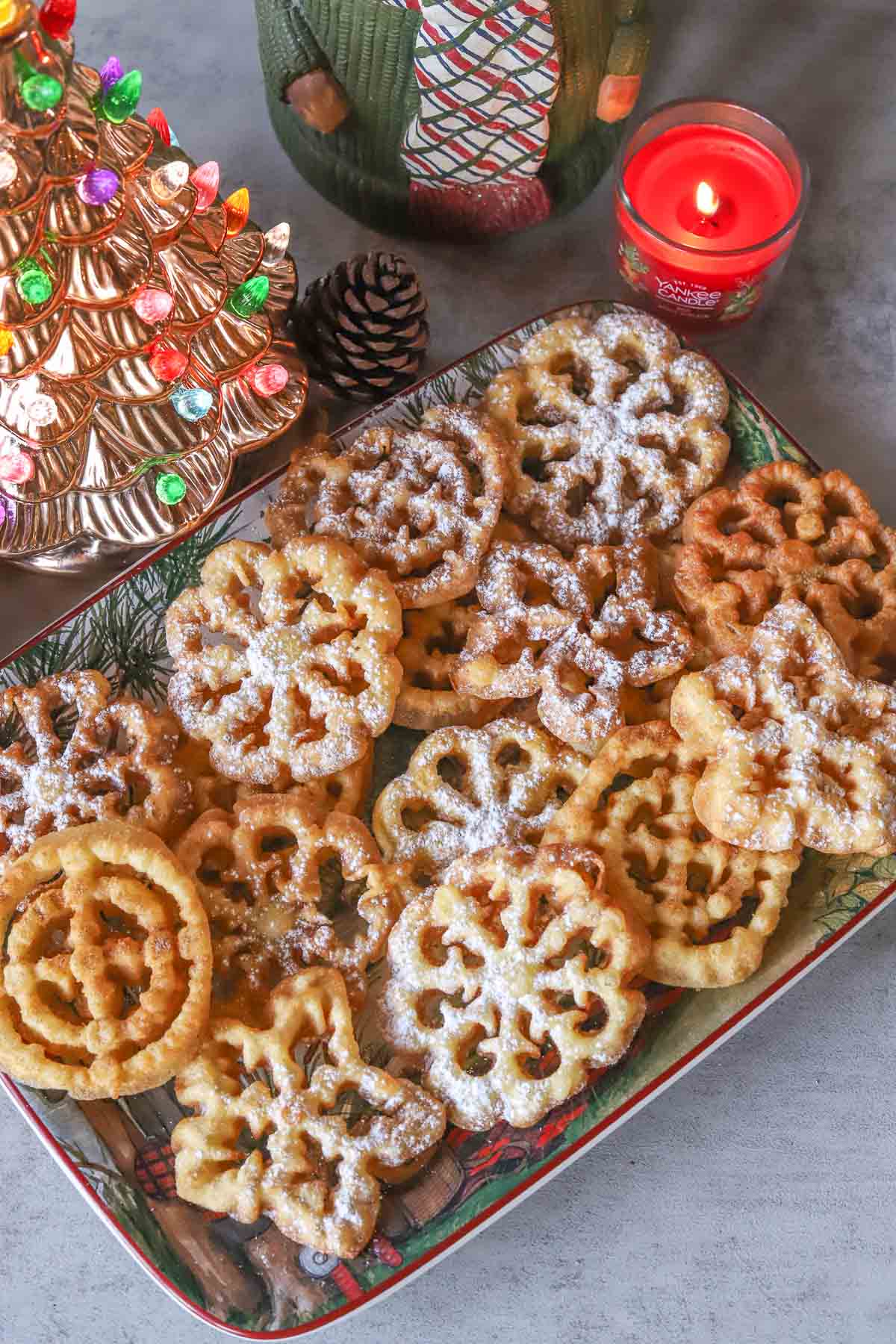
More Scandinavian Treats
If you enjoy this rosette cookie recipe, you'll also love my Norwegian krumkaker, krydderkake, and potato lefse, and my Swedish kardemummabullar.
More Holiday Cookies


Did you make this recipe?
Recipe
Would you like to save this recipe?
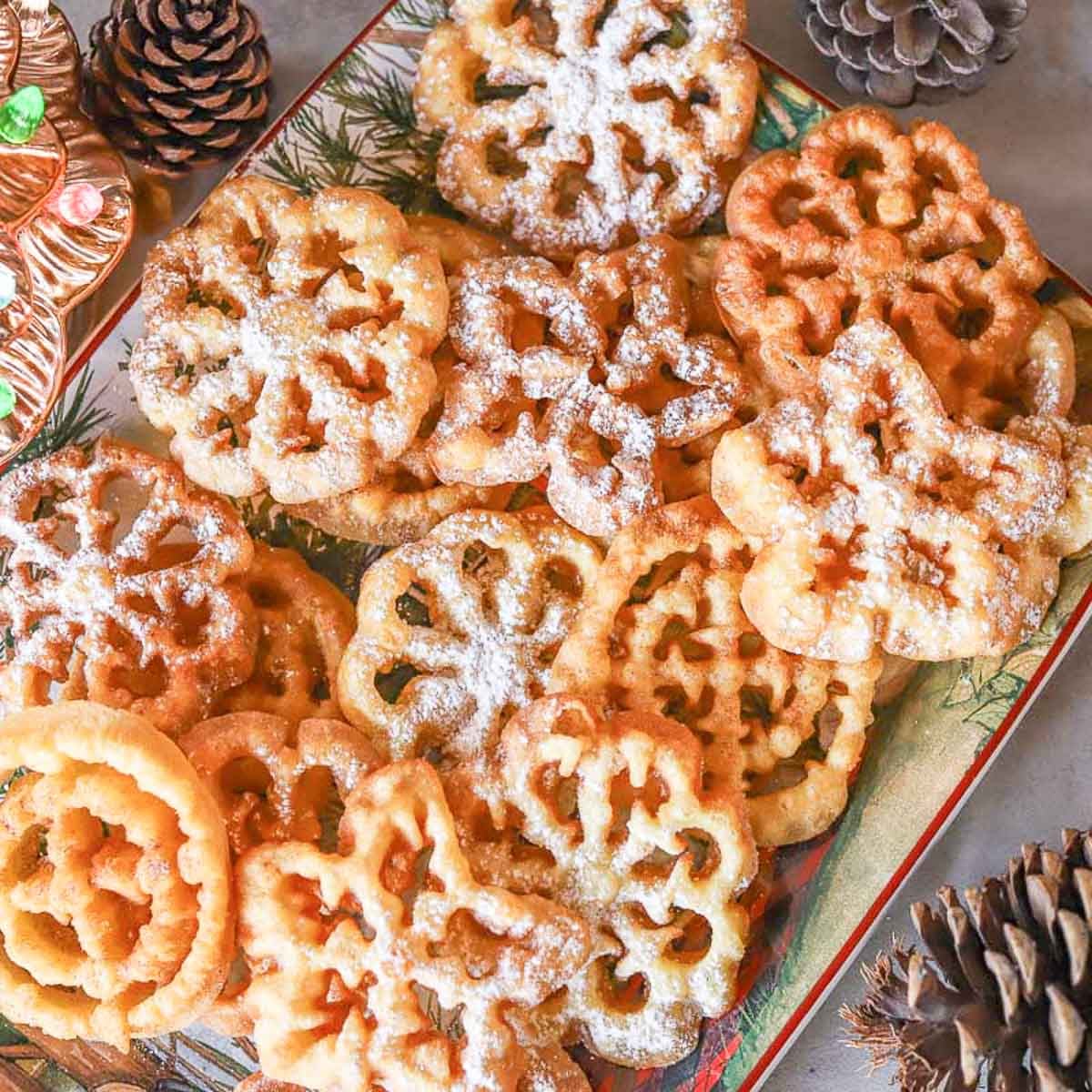
Ingredients
Equipment
Method
- In a medium bowl, lightly beat the eggs. Add the sugar and salt and whisk to combine. Add the milk and flour a little at a time, alternating between the two, and whisk well until the batter is smooth. Stir in the vanilla. Cover the bowl and chill the batter for about 2 hours.
- Prepare your workstation with a tray lined with paper towels, a thermometer, and a fork. Pour 2 inches of oil into a heavy skillet, pot, or deep fryer and heat to 350°F to 375°F. Attach the molds to the handle and set them in the oil to heat up for a minute or two. Lift the iron out, let the extra oil drip off, and blot it on a paper towel.
- Dip the hot iron into the batter without letting the batter go over the top. Lower the iron into the oil so the mold is completely covered. Fry until the bubbling slows down and the rosette is light golden, about 20 seconds. Flip with a fork halfway through.
- Set the rosettes open-side down on paper towels or a wire rack to drain. Put the iron back in the oil to reheat, and repeat with the rest of the batter. Once they're completely cool, dust them with powdered sugar (and cinnamon, if you like). If you're serving them later, dust them right before serving.
Nutrition
Video
Notes
- If lumps form in the batter, pour it through a fine-mesh sieve or give it a quick buzz with an immersion blender.
- Keep the batter cold while you fry. Warm batter slides off the iron more easily, so set the dish in a larger pan of ice or pop it back in the fridge halfway through.
- Wiggle the iron, if necessary, to remove cookies from the iron. If they are stuck, use a fork to dislodge them.
- Expect the first couple of rosettes to be test cookies while the iron seasons and you find your rhythm.
- If your handle holds two molds, start with just one until you get the timing down.
- Make this rosette cookie recipe on a dry day. Humidity softens rosettes quickly.
- Dress them up by dipping the edges in melted chocolate or colored sugar, or drizzling them with honey. You can also use the timbale molds to make little cups for whipped cream and berries.
- Wipe the molds with a paper towel while they're still warm instead of soaking or scrubbing them, so they stay seasoned for next time.
- Store them undusted in an airtight tin for up to a week, or freeze them for up to 2 months. Dust them with powdered sugar right before serving.
- Nutrition information is based on about ½ cup of oil absorbed during frying, not the full 2 cups used in the pan.
Kathy Fisher says
I grew up with mom and me making rosettes. It was part of Christmas in our family.
Hilda Sterner says
I just love family traditions! Thanks for sharing, Kathy!
Hilda Sterner says
We hope you make rosettes soon and come back and let us know how it goes!