

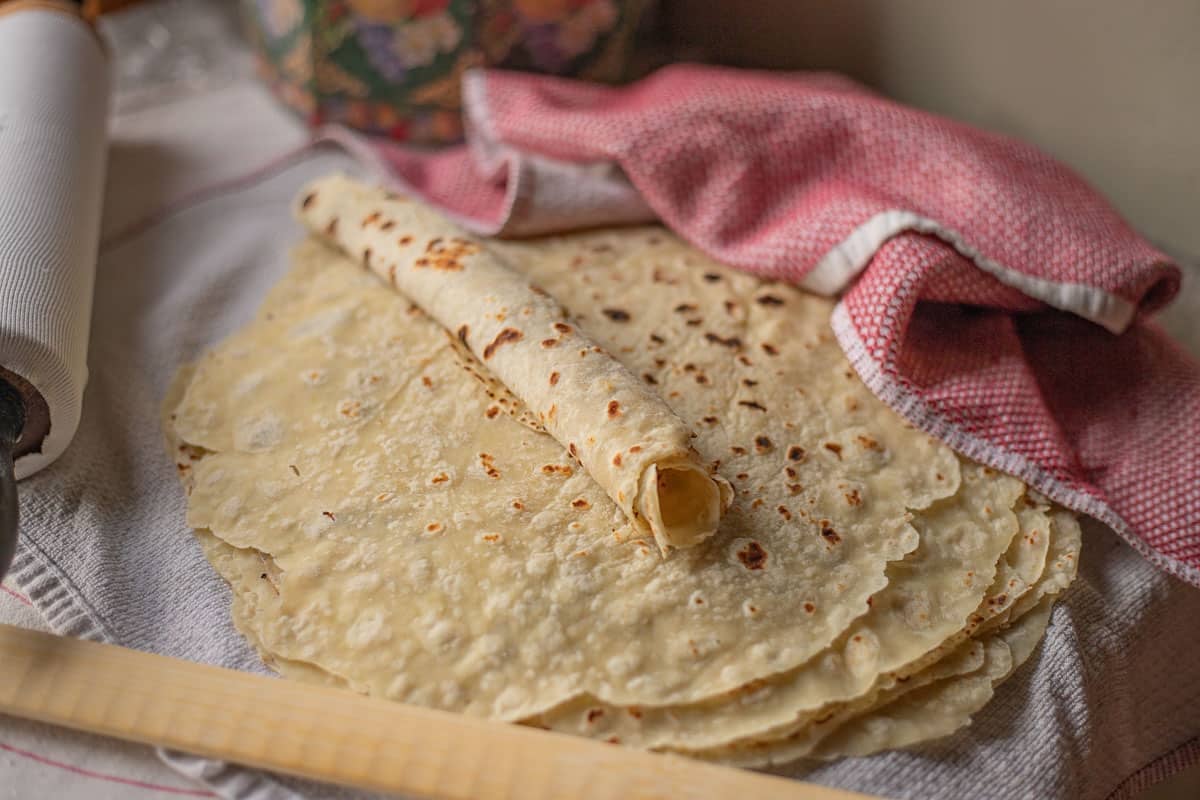
This authentic Norwegian potato lefse recipe was passed down from a Norwegian granny and yields soft, tender lefse rolled so thin that you can see light through them, a true taste of tradition! If you love this recipe, try my Norwegian krydderkake recipe too!
Would you like to save this recipe?
I don't know why, but I've been on a Norwegian recipes kick lately...I'm not Norwegian, but my good friend, Leslie, is-and not only did she share her grandma's treasured lefse recipe with me, she even gave me permission to pass it along to you... She's the best!
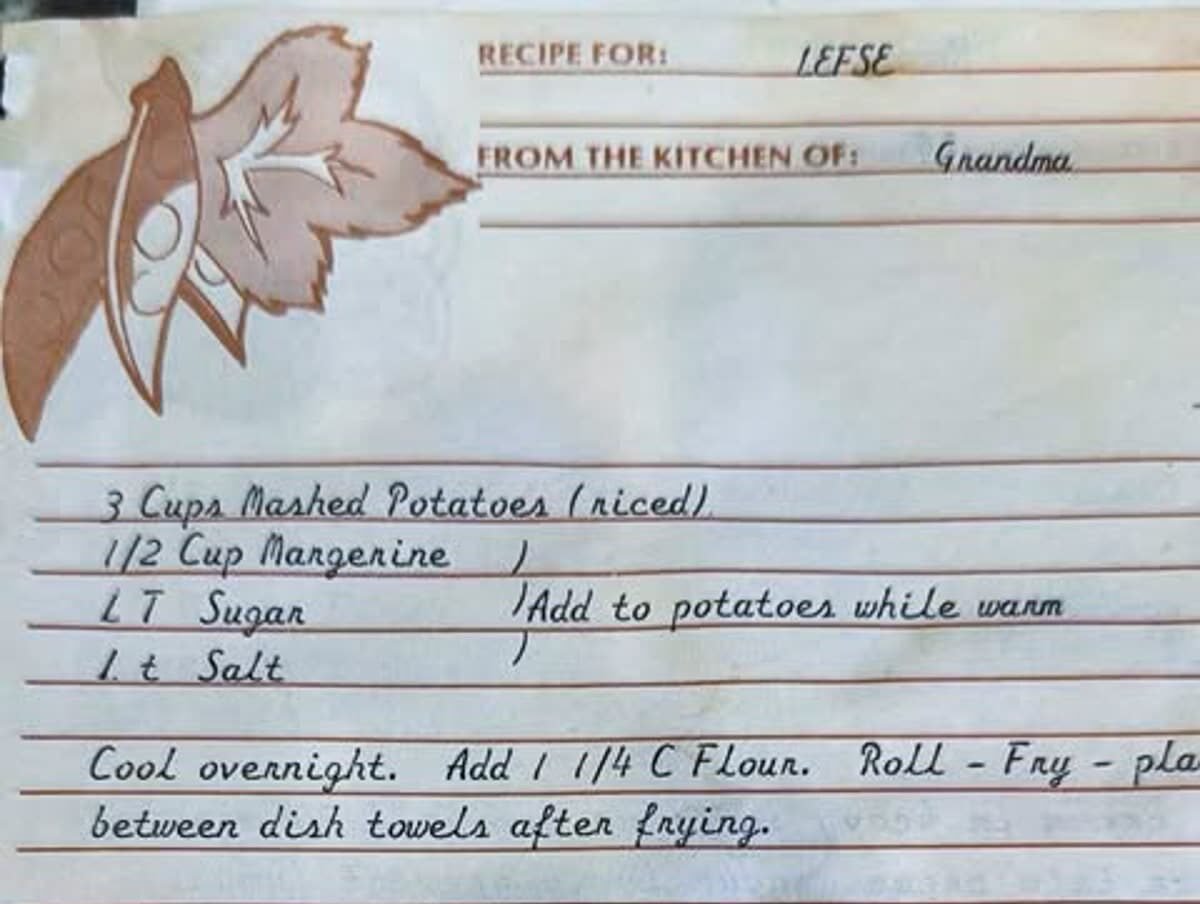
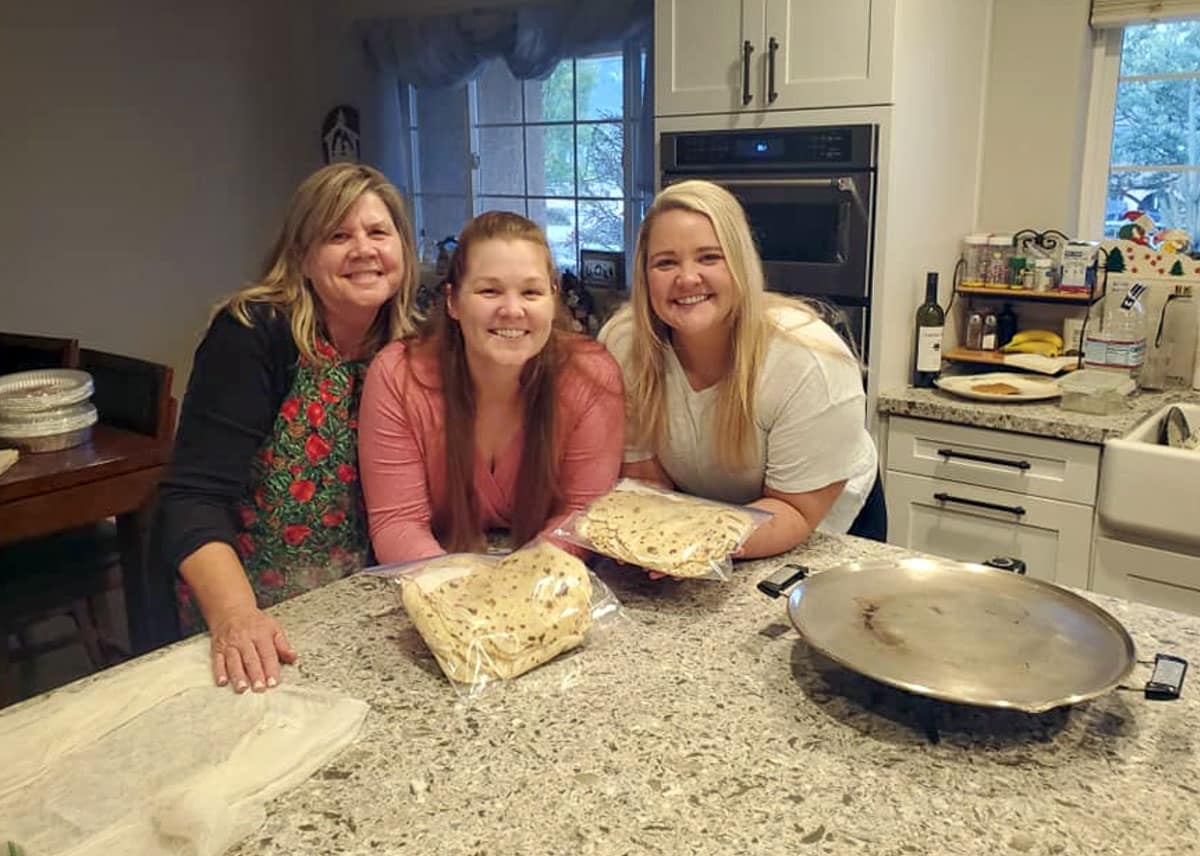
Over the years, I've seen Leslie post the sweetest photos of her and her daughters making lefse at Christmas time, and every time I think, okay, that's it...I NEED to make some lefse! I'm a sucker for traditions! Mine, yours, my neighbor's, your neighbor's, I'll adopt them all!
Christmas at my house means baking kileche and making roasted chestnuts. It means cranking out authentic Italian pizzelle and whipping up Instant Pot tamales, all while listening to Christmas music. And now? It looks like lefse making is joining the holiday rotation...you know, because I clearly have tons of free time this time of year. 🤣
If you're wondering how to pronounce lefse, it's LEF-suh-say it with confidence, and you'll sound like you know exactly what you're doing. Leslie shared that one of the most treasured items from her Granny is her lefse turning stick... a woman after my own heart! I feel the same way about the wooden spoon my mom cooked with...
I started with Leslie's recipe, but after making a few batches, I adjusted it slightly. My final lefse recipe has 1 teaspoon less sugar and one teaspoon additional salt because I want to enjoy them with savory fillings as well!
Jump to:
😍 Why You'll Love This Recipe
- This lefse recipe is relatively easy to make and is a great Christmas tradition to incorporate into the holidays, even if you're not from Norway!
- They are versatile and can be enjoyed in a variety of ways... both sweet and savory.
- They freeze well, so you can pace yourself and enjoy one whenever the mood strikes!
🔖 Ingredients & Substitutions
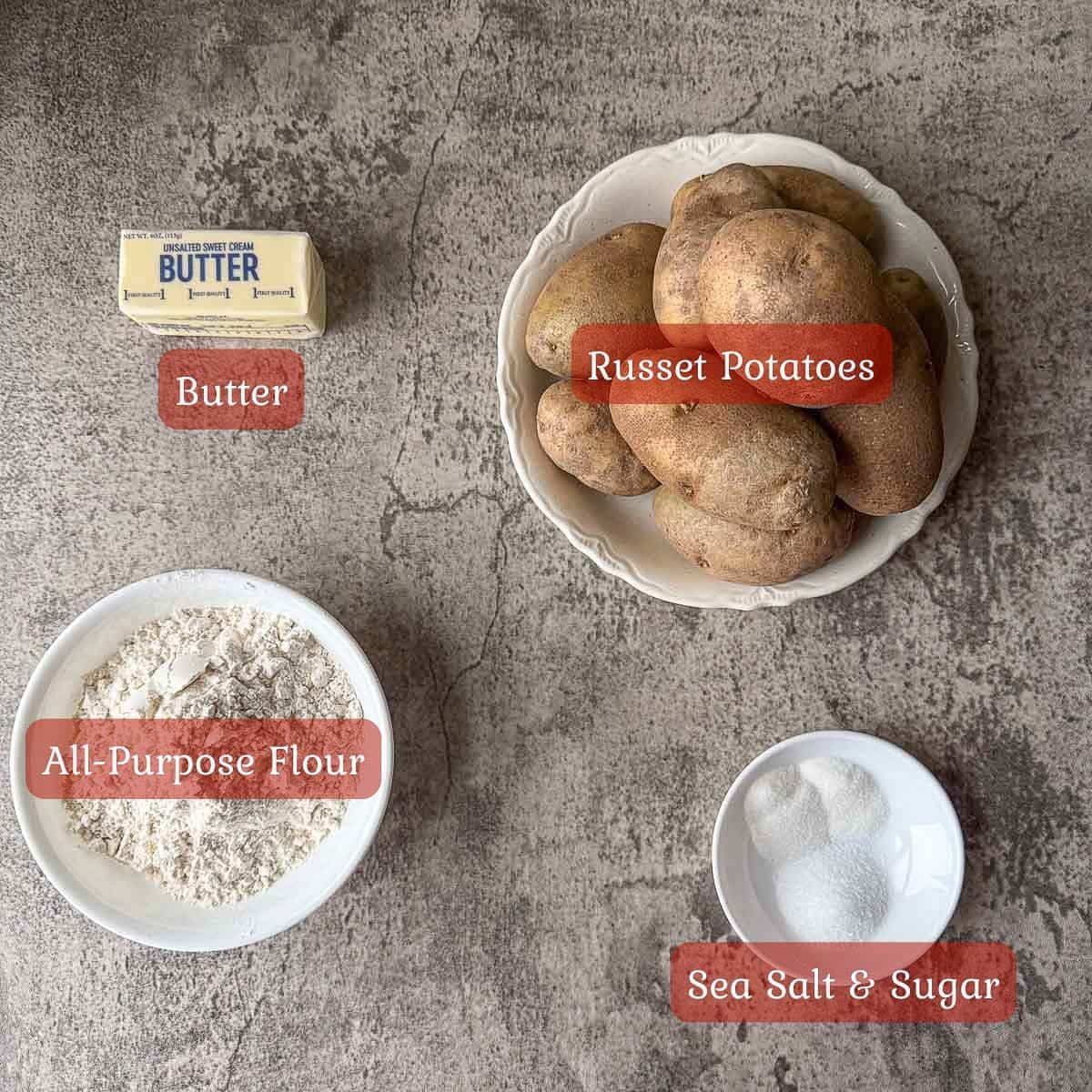
- Potatoes: 2-½ pounds of potatoes. Make sure to use Russet potatoes; they have a lower water content.
- Butter: ½ cup unsalted butter, at room temperature. You can also use lard, margarine, or even shortening.
- Sugar: 2 teaspoons granulated sugar
- Salt: 2 teaspoons sea salt
- Flour: 1-½ cups all-purpose flour; you may need more if the potatoes are wet, and even more for dusting!
Leslie's granny, Lorraine Smith, adds margarine to her lefse recipe, while my neighbor Kelly shared that his mom, Julia, used to add bear fat. I noticed some other recipes used shortening. I decided to use unsalted butter in mine, but I may try making them with rendered pork fat and tallow in the future just to see which I prefer.
Some lefse recipes call for baking powder, while others add cream, but we're sticking close to Granny Loraine's recipe and leaving both out.
🔪 Equipment
If you have money burning a hole in your pockets, treat yourself to a lefse-making starter kit. Another option is to get a cheaper kit like this one and a tawa for cooking them.
🫓 How to Make Lefse
Step 1: Boil whole potatoes with skins on for 20-30 minutes, depending on size, until fork-tender. Peel when cool enough to handle, then rice using a potato ricer. Add to a 9"x13" pan and allow the steam to escape.


Pro Tip: Some recipes suggest ricing the potatoes up to 3 times to get them extra smooth, not a bad idea!
Step 2: Add melted butter, sugar, and salt to warm riced potatoes and mix to combine. Refrigerate overnight, uncovered, to dry them out further. If you begin early in the day, cool them for around 8 hours and continue with the recipe.


Pro Tip: Yes, cooling the potatoes overnight is necessary. Grandma says it makes them easier to roll, so just obey Grandma Lorraine!
Step 3: Mix all-purpose flour into the potato mixture. Knead until the dough is smooth and soft, then roll it into a log. It should not be sticky, so add more flour if needed!


Step 4: Use a pastry cutter to divide the dough into approximately 10 equal portions, about 4 to 5 ounces each. Roll each piece into a ball, then flatten into a disc. Use your palms to smooth the edges (see video).

Heat a large pan or tawa over medium heat. If using a griddle, set it between 400-425°F.
Step 5: On a floured dishcloth or a floured board, roll out each disc with a rolling pin that's covered with pastry cloth/sleeve. Flip as needed. Switch to a corrugated rolling pin (if you have one) and roll until you have a 10"-12" circle.


Pro Tip: When rolling them out, use a surface that has a pattern. You'll know the lefse is rolled thin enough when you can see the pattern through the rolled dough.
Step 6: Roll lefse onto the stick, then unroll onto the hot pan or lefse griddle. Cook for 30-60 seconds on each side or until brown blisters form. Use the stick or thin metal spatula to flip them. Place cooked lefse between dish towels and continue until they have all been cooked. Once cool, store in ziplock bags.


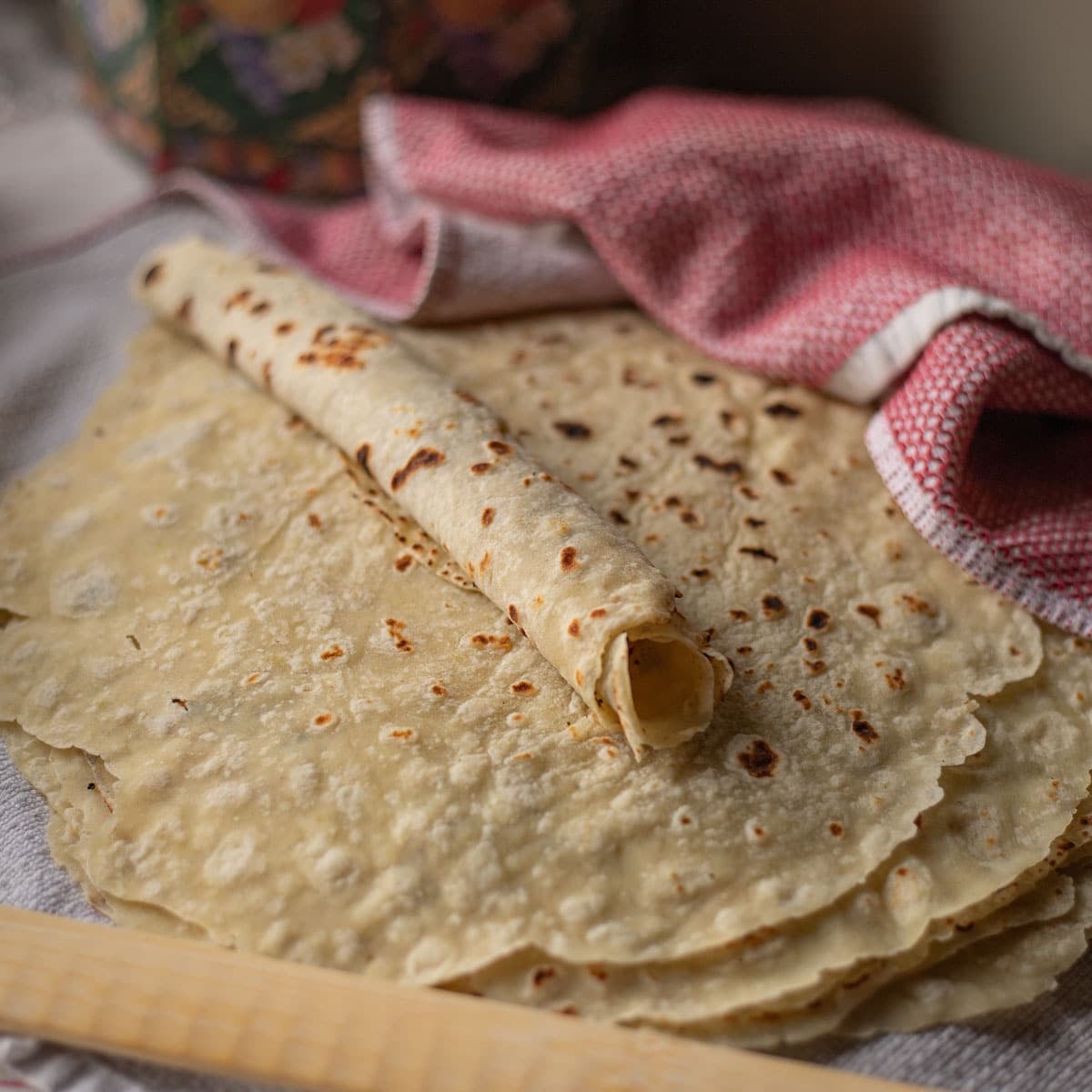
Pro Tip: The stick that came in my kit did not have a thin enough edge (like it should) for lifting the lefse. For this reason, I flipped them with a spatula.
🤷🏻♀️ Recipe FAQs
Lefse is incredibly versatile. You can enjoy it sweet or savory. Try it with butter and cinnamon sugar, pear jam, Nutella, or even honey. For savory fillings, try smoked salmon, deli meats, eggs, or leftover roast.
Lefse is traditionally Norwegian, though similar potato flatbreads exist across Scandinavia. In Norway, lefse has deep cultural roots and is often made for Christmas and other celebrations.
Lefsa isn't originally from Minnesota, but Minnesota has absolutely adopted it as its own. Because of the large Norwegian American population in the Upper Midwest, lefse became a beloved holiday tradition in Minnesota, North Dakota, and Wisconsin.
Yes, lefse freezes really well! Just make sure they're wrapped well and stored in freezer bags.
👩🏼🍳 Pro Tips
- If you prefer, you can bake the potatoes instead!
- Cold dough rolls out much better. Refrigerate the potato mixture at least 8 hours before mixing with flour and rolling it out.
- Too much kneading makes the lefsa tough. Mix only until the dough comes together.
- Too much flour and the lefse gets dry; too little and it sticks like glue, so it's important to use just enough.
- A cloth-covered lefse board is the gold standard, but a pastry cloth works too.
- Lefse should be almost translucent; roll them out as thin as possible.
- Flip as soon as you see brown spots. Overcooking will dry them out.
- Store lefse in ziplock bags. Freeze immediately for long-term storage.

🍞 More Bread Recipes
If you enjoy this lefse recipe, try these other recipes too!

Did you make this recipe?
📖 Recipe
Would you like to save this recipe?
Norwegian Potato Lefse Recipe
Ingredients
Equipment
Method
- Boil whole potatoes with skins on for 20-30 minutes, depending on size, until fork-tender. Peel when cool enough to handle, then rice using a potato ricer. Add to a 9"x13" pan and allow the steam to escape.
- Add melted butter, sugar, and salt to warm riced potatoes and mix to combine. Refrigerate overnight, uncovered, to dry them out further. If you begin early in the day, cool them for around 8 hours and continue with the recipe.
- Mix all-purpose flour into the potato mixture. Knead until the dough is smooth and soft, then roll into a log. It should not be sticky, so add more flour if needed!
- Use a pastry cutter to divide the dough into approximately 10 equal portions, about 4 to 5 ounces each. Roll each piece into a ball, then flatten into a disc. Use your palms to smooth the edges (see video).
- On a floured dishcloth or a floured lefse board, roll out each disc with a rolling pin that's covered with pastry cloth/sleeve. Flip lefse as needed. Switch to a corrugated rolling pin (if you have one) and roll until you have a 10"-12" circle.
- Roll lefse onto the stick, then unroll onto the hot pan or lefse griddle. Cook for 30-60 seconds on each side or until brown blisters form. Use the lefse stick or thin metal spatula to flip them. Place cooked lefse between dish towels and continue until all lefse have been cooked. Once cool, store in ziplock bags.
Nutrition
Video
Notes
- Some recipes suggest ricing the potatoes up to 3 times to get them extra smooth, not a bad idea!
- Yes, cooling them overnight is necessary. Grandma says it makes them easier to roll, so just obey Grandma Lorraine!
- When rolling the lefse, use a surface that has a pattern. You'll know the lefse is rolled thin enough when you can see the pattern through the rolled dough.
- The stick that came in my lefse kit did not have a thin enough edge (like it should) for lifting the lefse. For this reason, I flipped them with a spatula.
- If you prefer, you can bake the potatoes instead!
- Cold dough rolls out much better. Refrigerate the potato mixture at least 8 hours before mixing with flour and rolling it out.
- Too much kneading makes the lefsa tough. Mix only until the dough comes together.
- Too much flour and the lefse gets dry; too little and it sticks like glue, so it's important to use just enough.
- A cloth-covered lefse board is the gold standard, but a pastry cloth works too.
- Lefse should be almost translucent; roll them out as thin as possible.
- Flip as soon as you see brown spots. Overcooking will dry them out.
- Store lefse in ziplock bags. Freeze immediately for long-term storage.
Kathy Fisher says
This lefse is just as I remember it from when I was a child in the 40s and 50s. So good. Granny's recipe (my aunt Lorraine) goes way back when the public was told that butter was bad for health so just about everyone used margarine. They were served buttered and rolled up with the ends cut off and piled up on a plate. Half were sprinkled with sugar over the butter and the other half just butter. Us kids ate the sugared half while the adults chose the others. I'm pretty sure this recipe goes back to Leslie's great grandmother, Julia Tornes Moe who was a terrific cook and born in Norway. It brings back so many wonderful memories. Thank you Hilda.
Hilda Sterner says
As someone who's never had lefse before attempting this recipe, I'm thrilled that you approve!
Hilda Sterner says
We hope you give this recipe a try!