
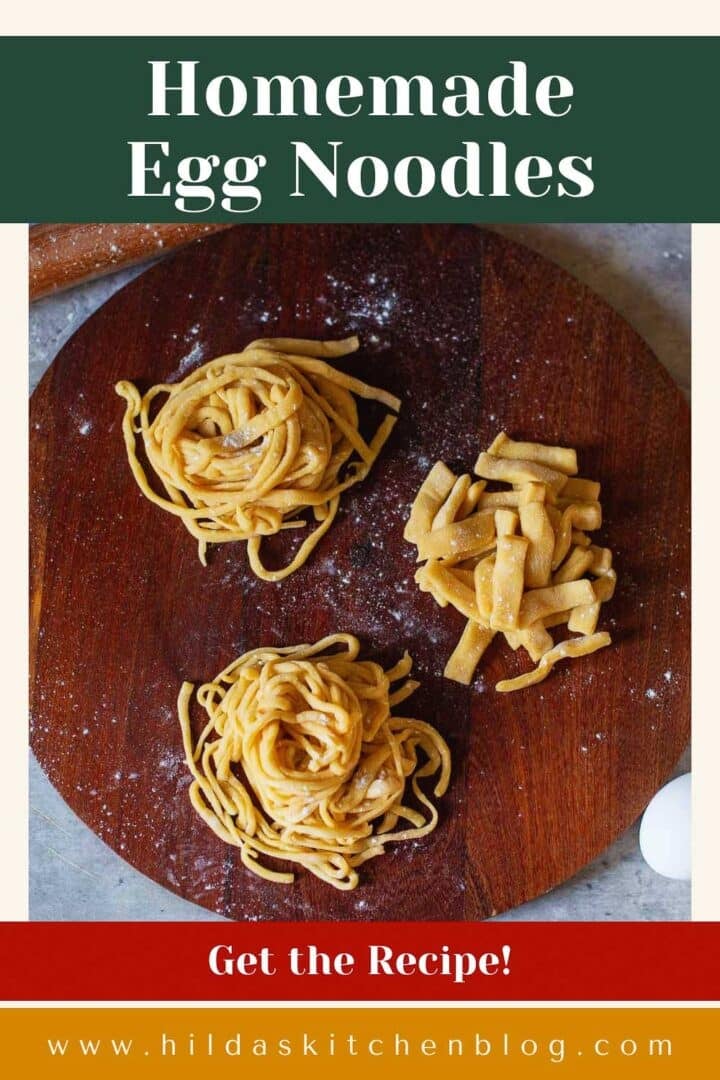
This homemade egg noodles recipe is super easy and only requires 4 simple ingredients! Pair these noodles with your favorite sauce, serve them with crockpot Swedish meatballs, or use them to make my favorite spicy peanut noodles.
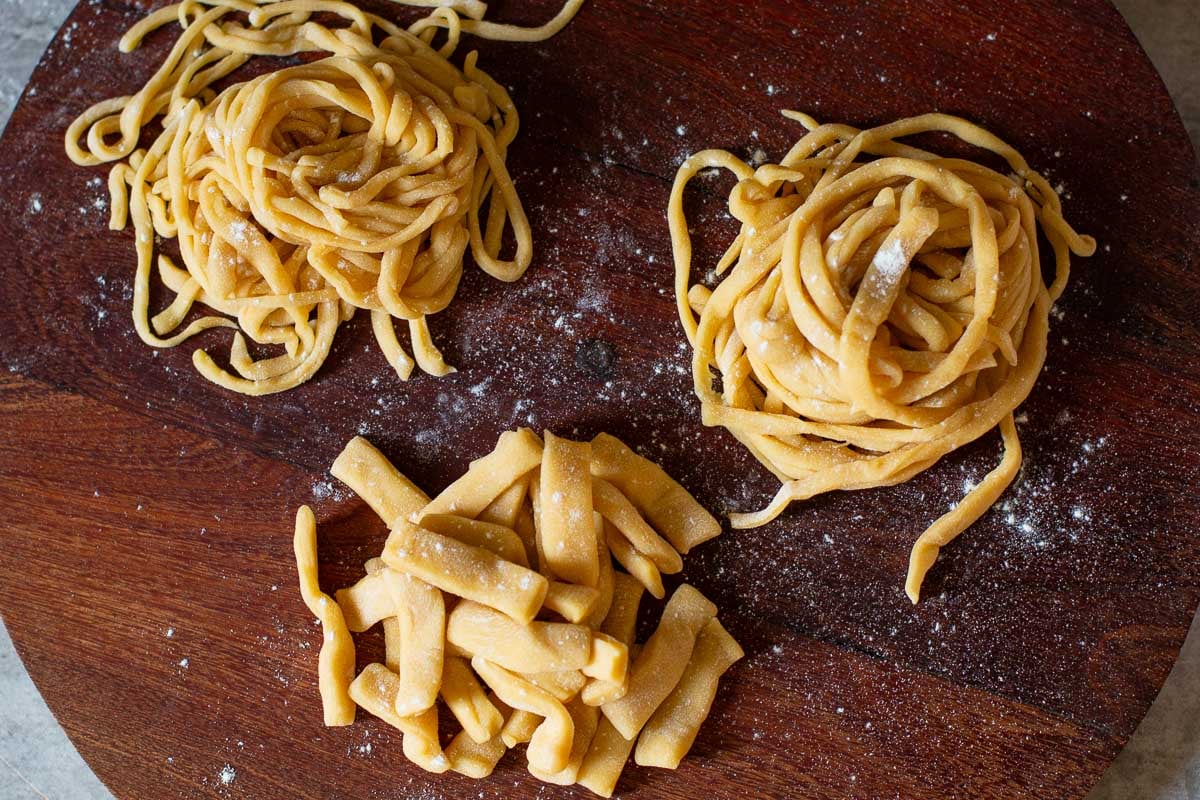
Would you like to save this recipe?
From chicken noodle soup and beef stroganoff to chow mein and spätzle, egg noodles can be used in hundreds of recipes from all over the world. With just a few basic ingredients, you can have your own delicious egg noodles in just over an hour!
This homemade egg noodle recipe can be made with a stand mixer and pasta machine to simplify the process, but these are totally optional. It'll be a bit of an arm workout, but you can achieve delicious, fresh noodles entirely by hand, just like grandma used to make!
If you love cooking from scratch, check out this Italian homemade pasta and this potato pasta (gnocchi) next.
Jump to:
🔖 Ingredients & Substitutions
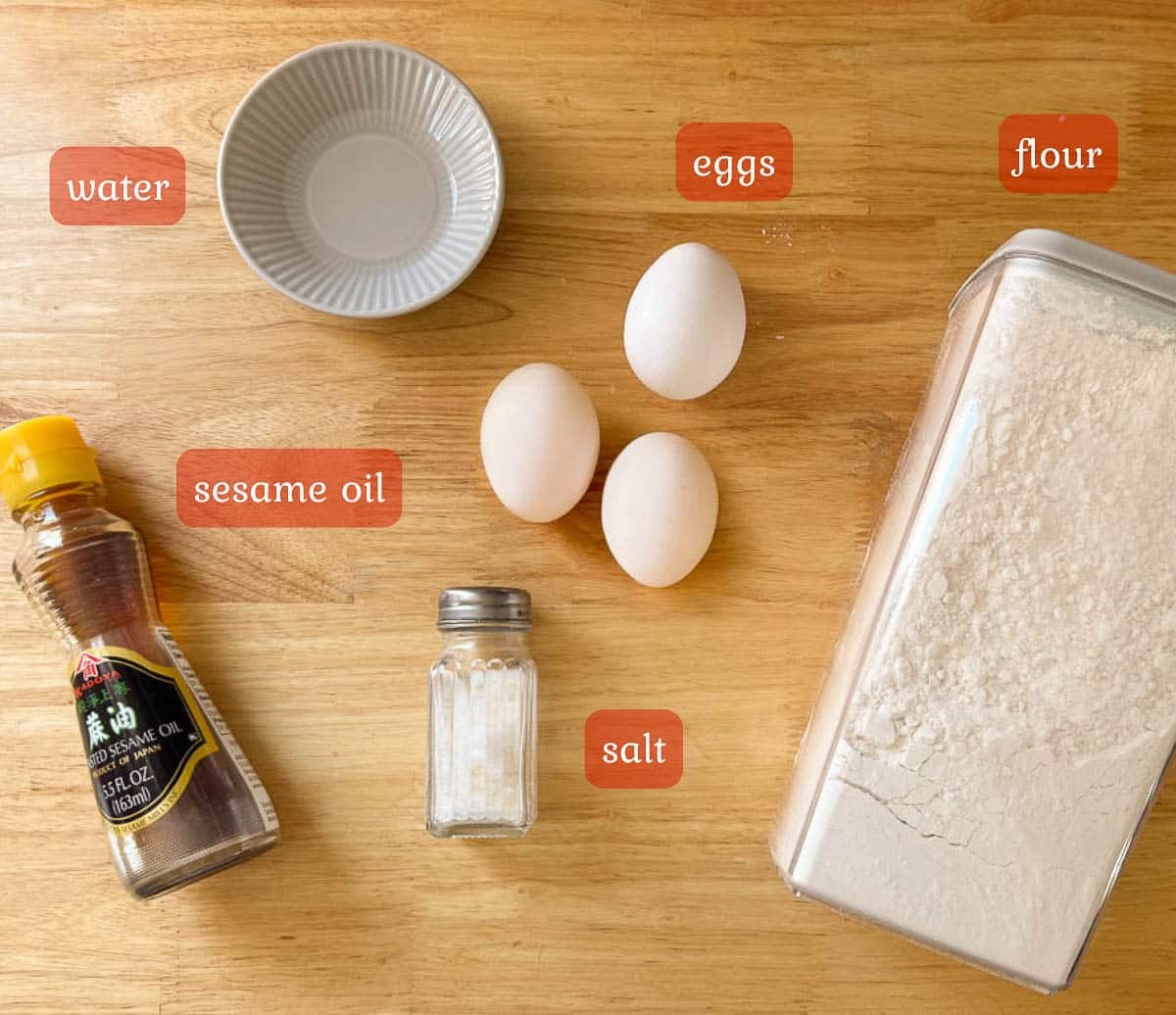
- Flour: All-purpose flour is the best overall choice, but you can also use pastry flour or bread flour for a chewier texture, or semolina for noodles with a firmer bite.
- Eggs: I prefer to use whole eggs, but you can use just the yolks for a richer, silkier texture. I'd recommend adding 1-2 extra yolks if you decide to go that route.
- Water: You can also use milk.
- Salt
- Optional: Sesame oil for a subtle nuttiness, great for use in Asian dishes.
🍜 How To Make Homemade Egg Noodles
Step 1: In a bowl, combine eggs, water, and sesame oil, if using, and whisk until frothy. Add in flour and salt, then mix until a shaggy dough forms.
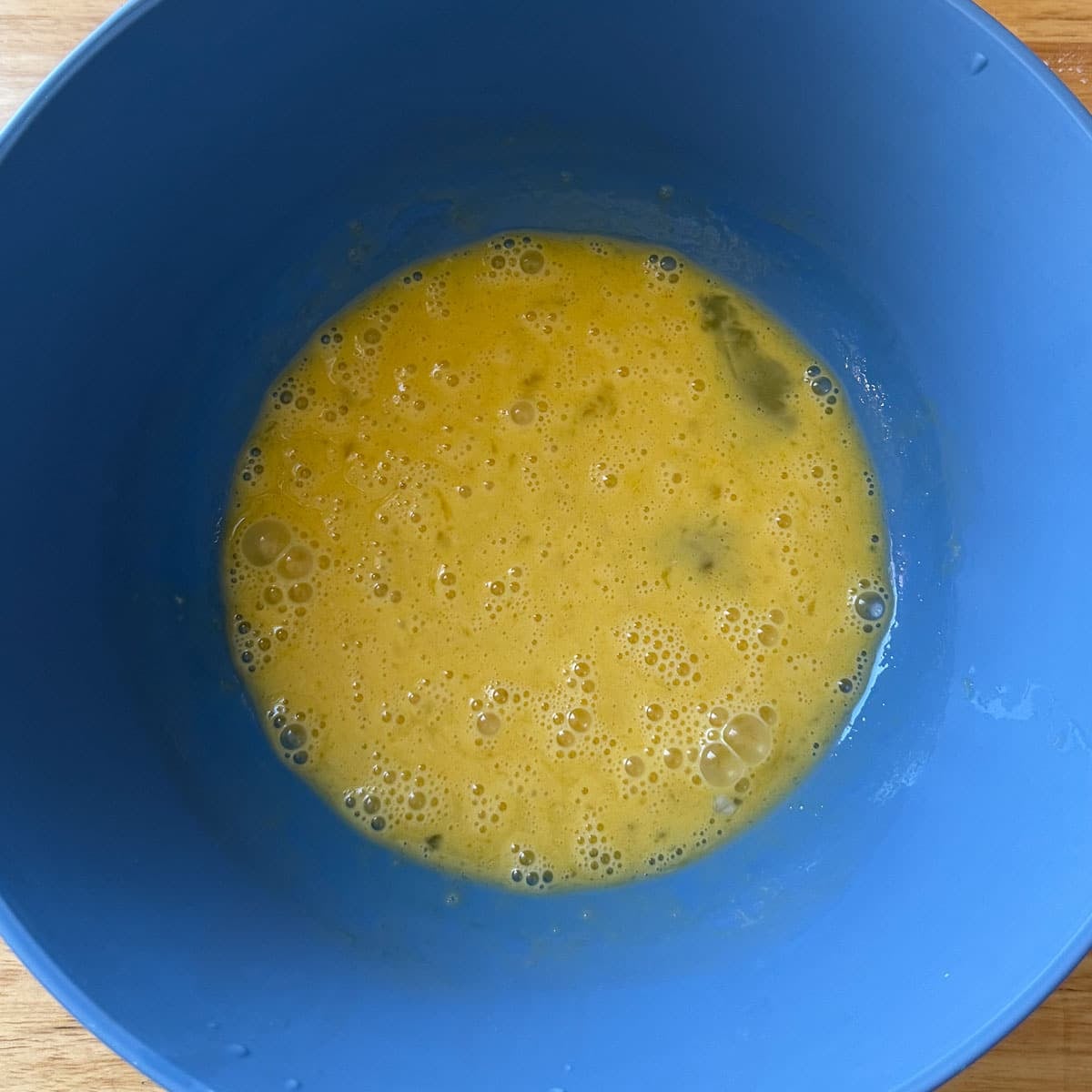
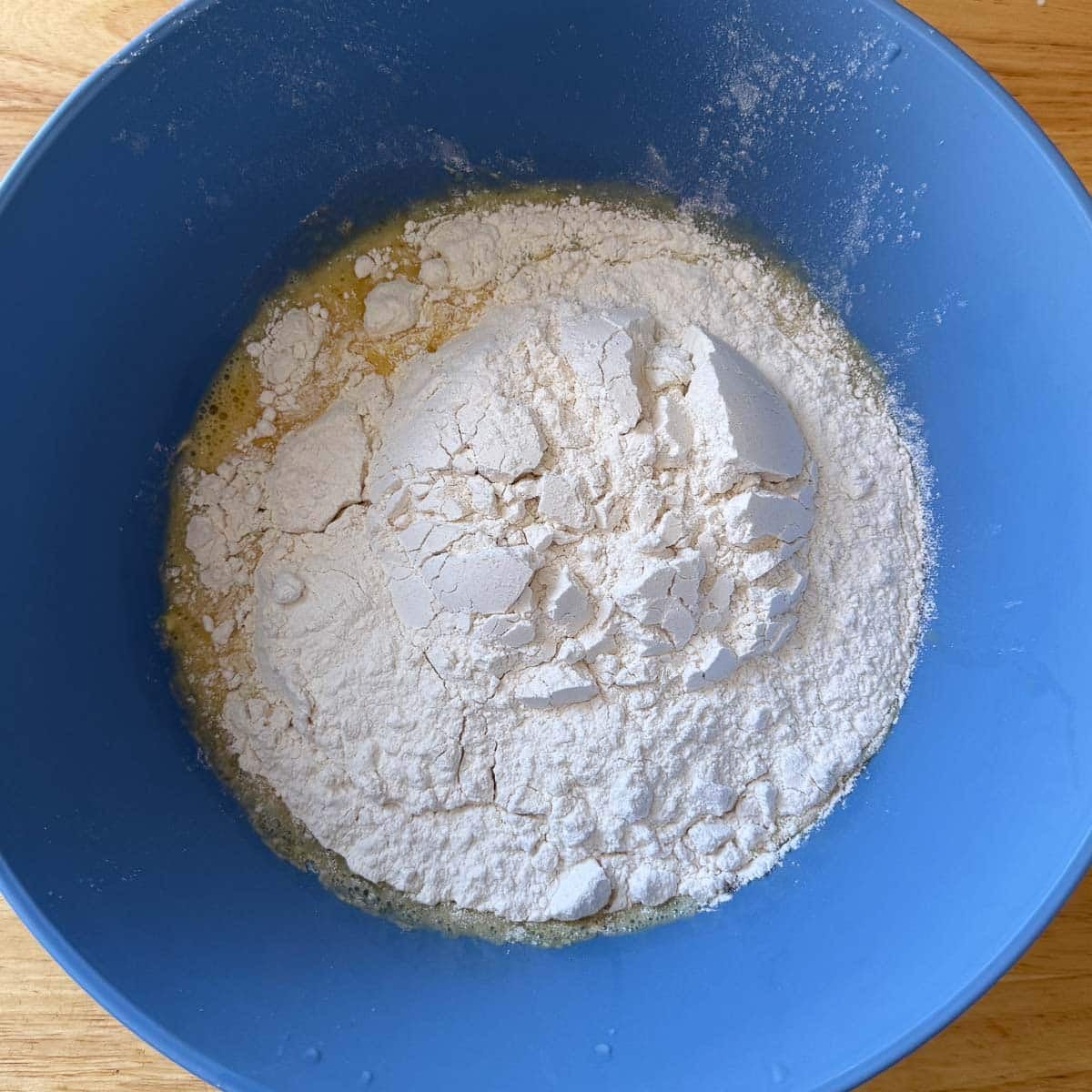
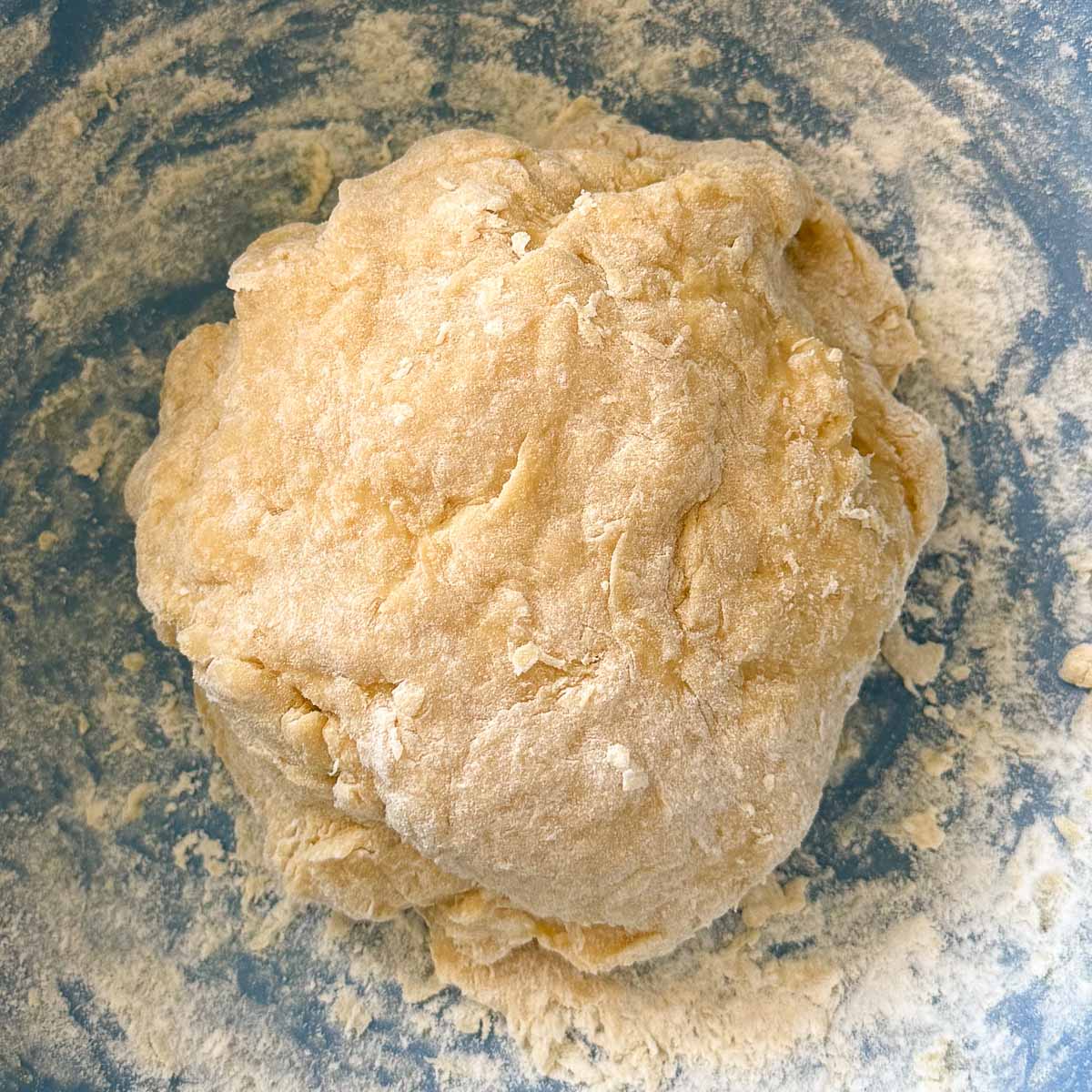
Pro Tip: If the dough is sticky, add more flour. If the dough is too dry, sprinkle in some water, ½ teaspoon at a time.
Step 2: Knead the homemade egg noodle dough with lightly floured hands for 8-10 minutes until completely smooth. It should feel soft but not sticky, and elastic, rather than crumbly. Cover the dough in plastic wrap and let it rest for 30 minutes. This relaxes the gluten and makes rolling easier.
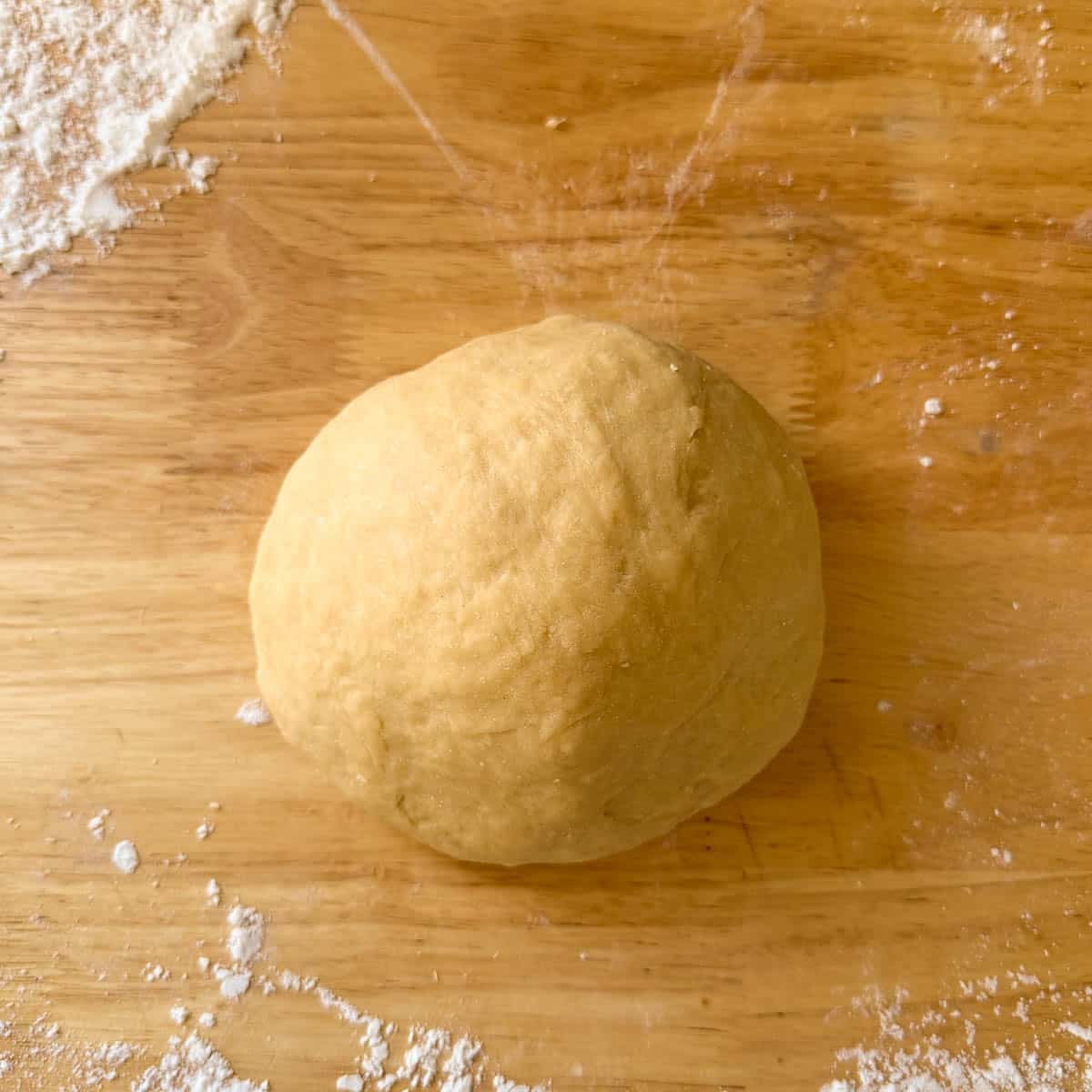
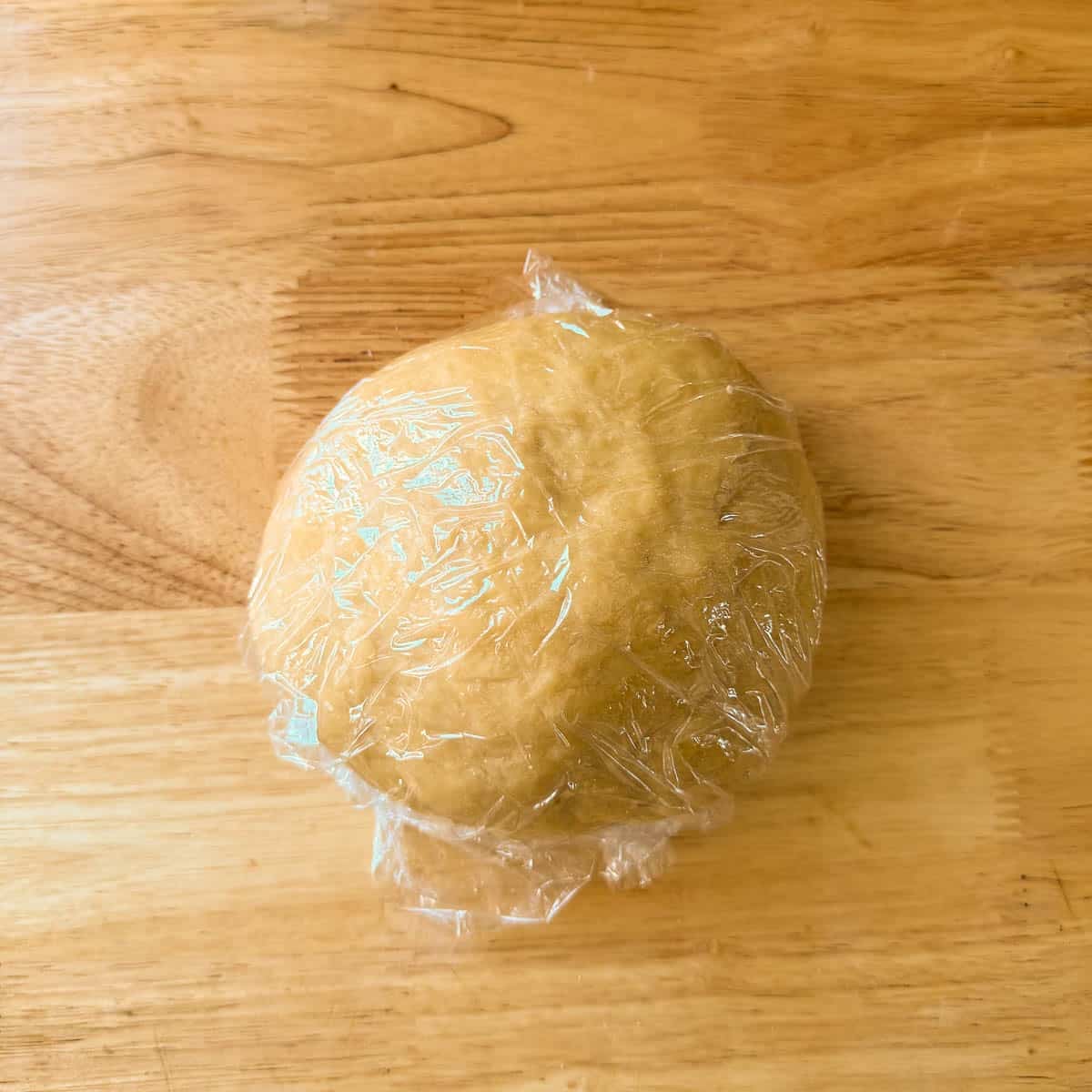
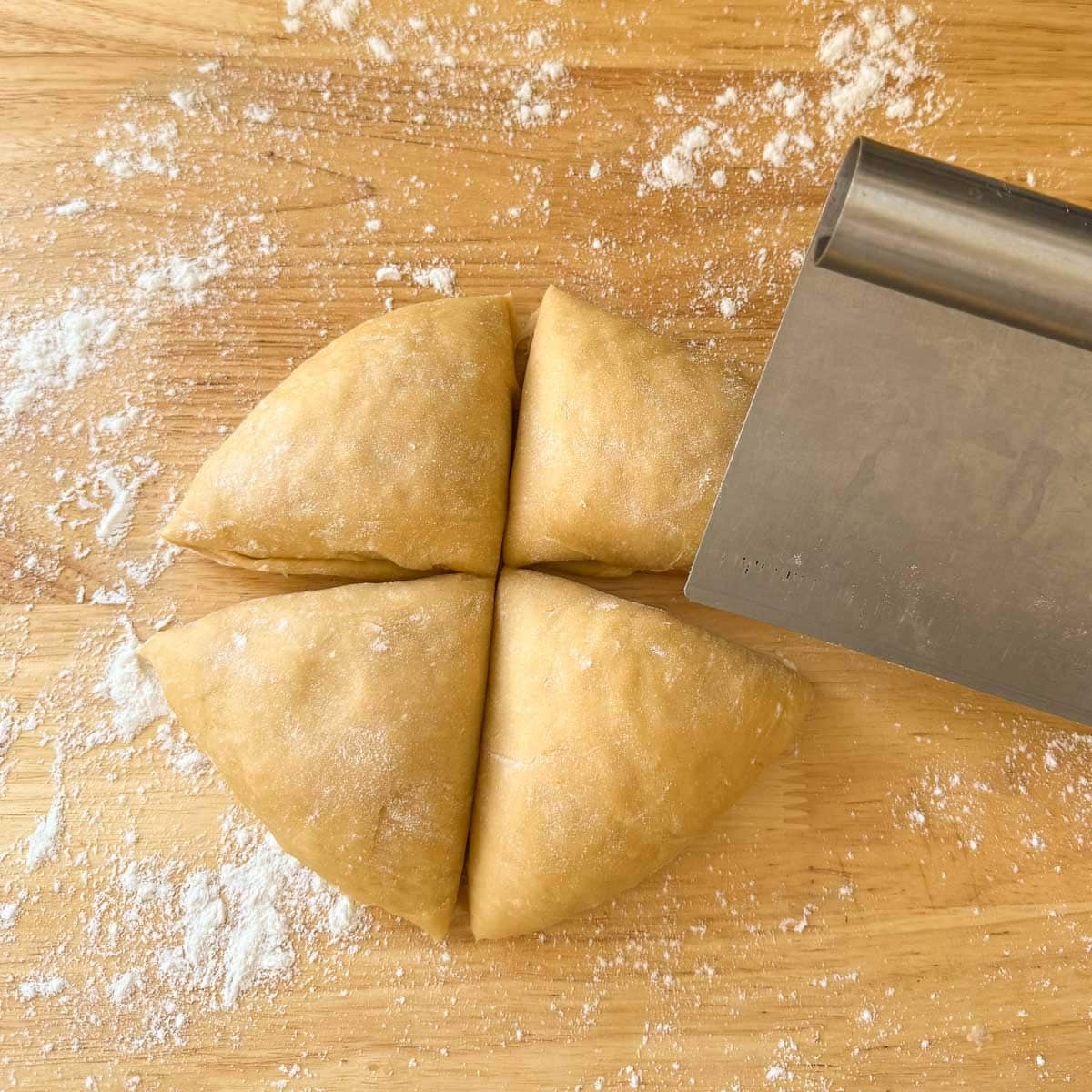
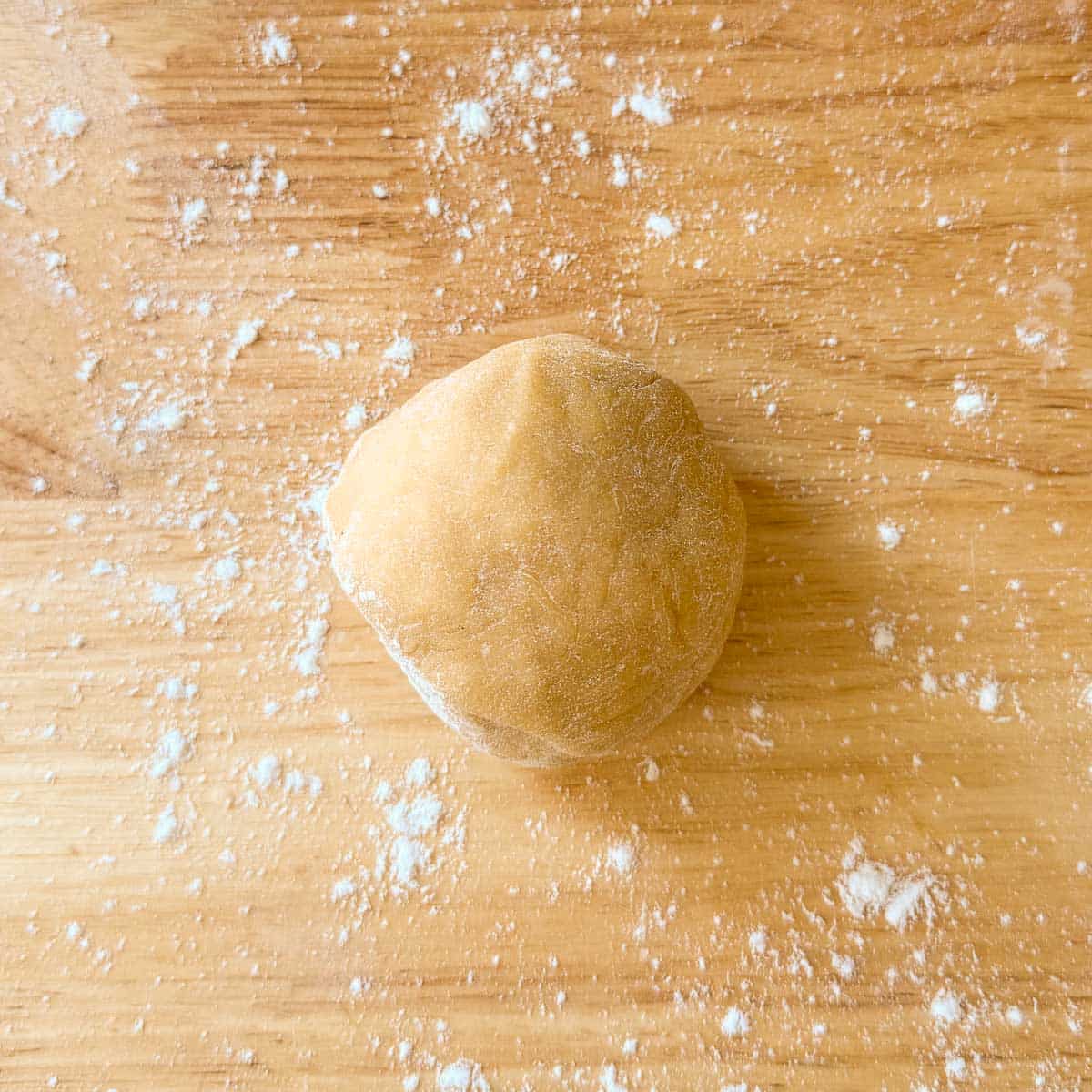
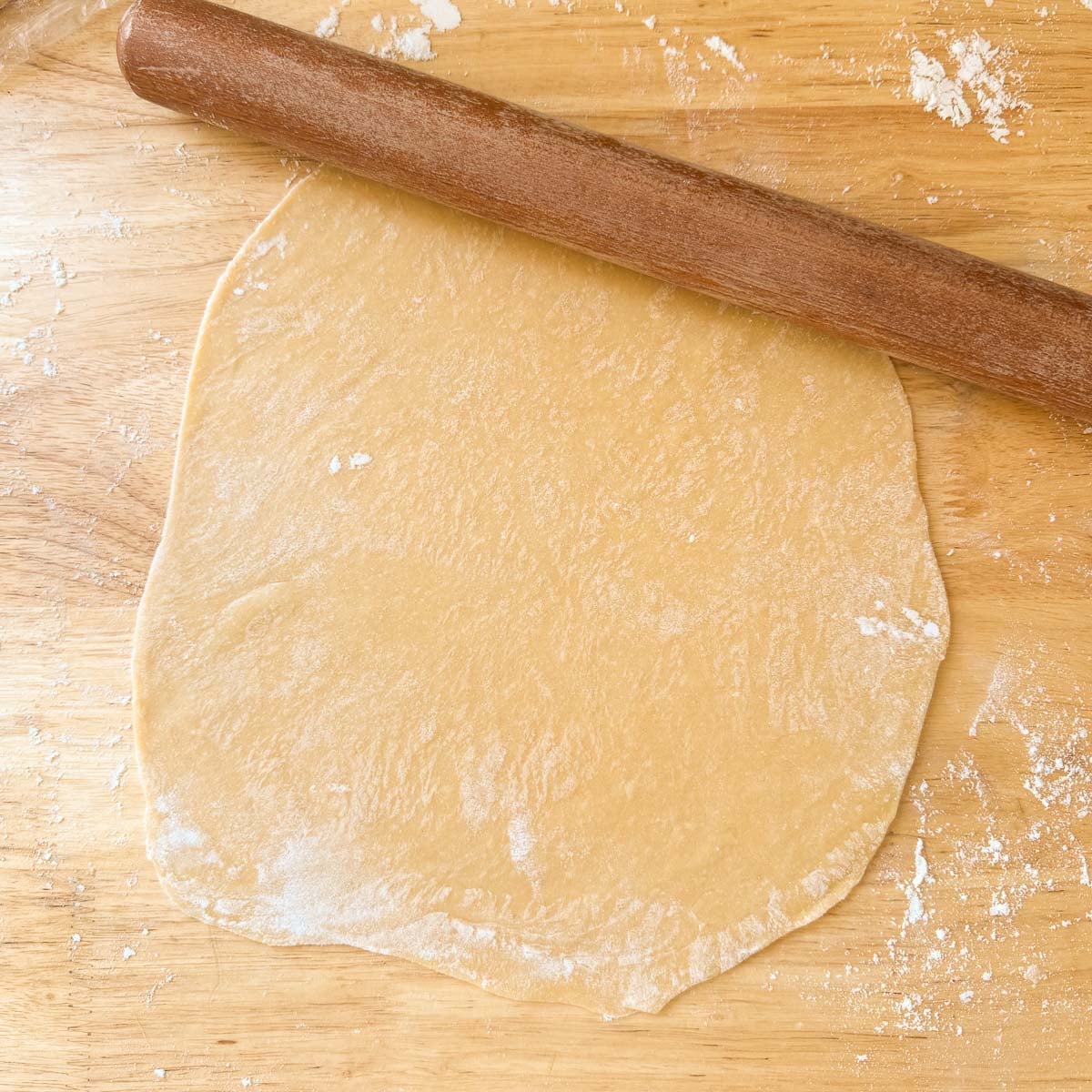
Step 3: Cut the dough into quarters, then roll each piece into a ball and cover to keep from drying. Use a rolling pin to roll out the dough on a floured surface until it reaches the desired thickness.
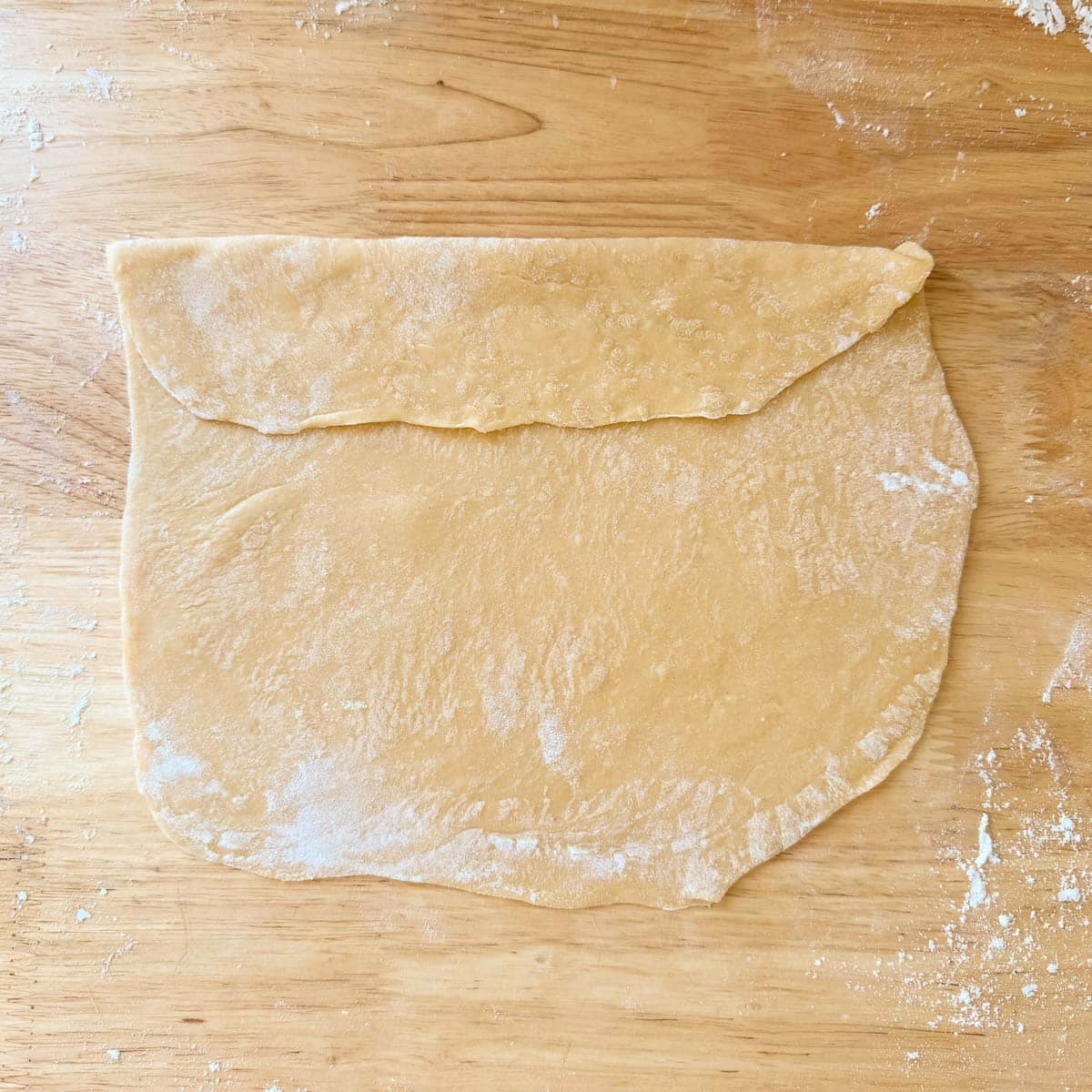
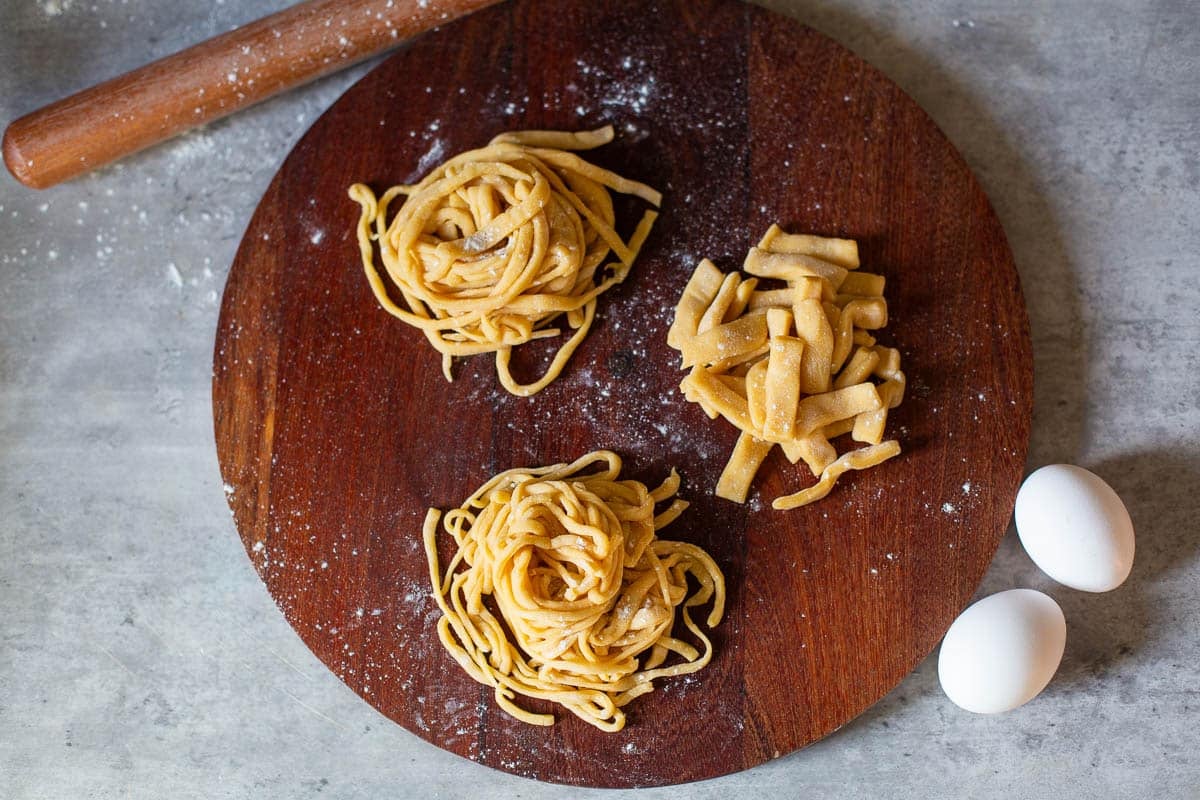
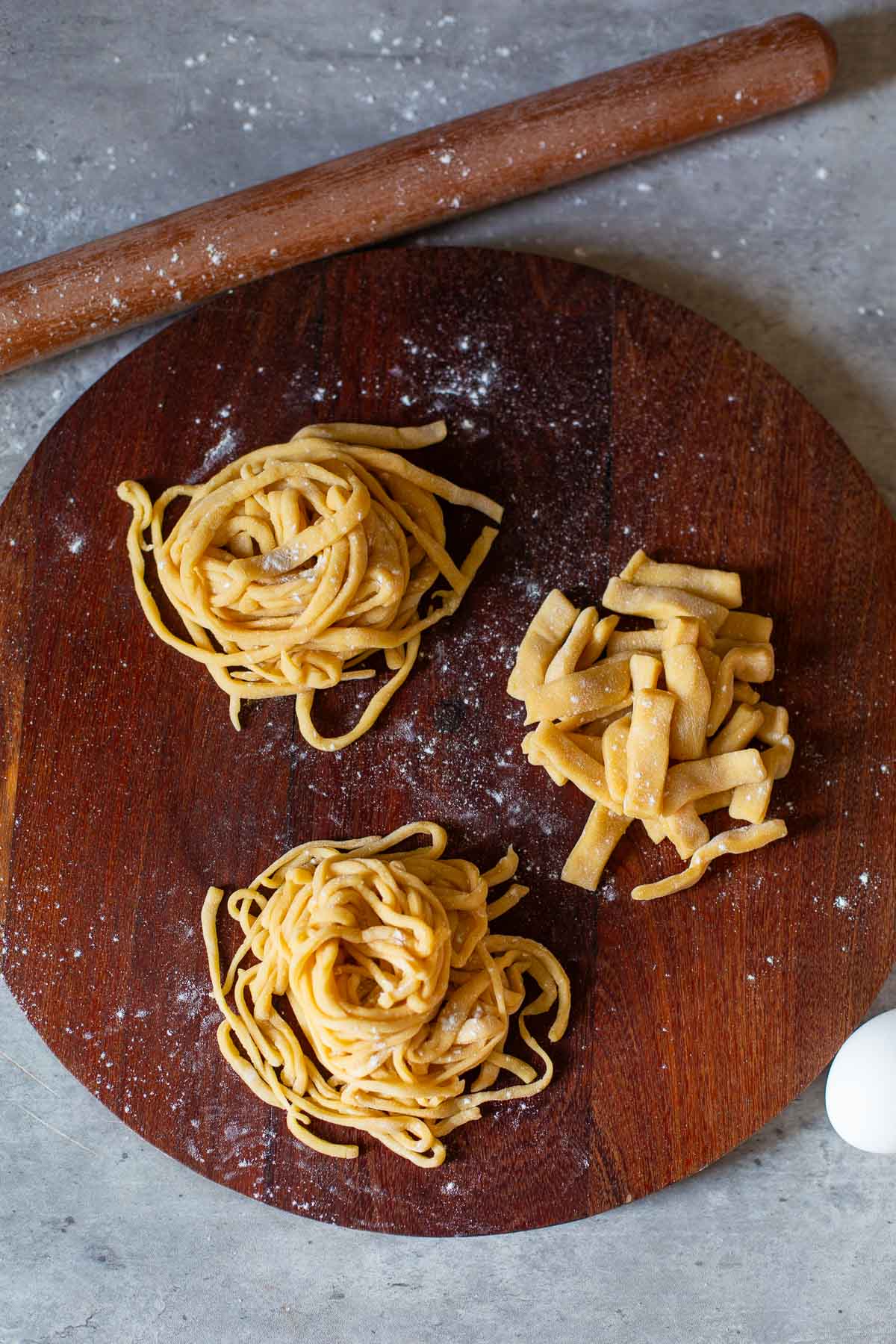
Step 4: Gently fold the dough into 4 layers, sprinkling a little flour between each fold, then cut into strips using a sharp knife or pizza cutter. Unfold each strip, cutting if desired. Repeat until all 4 dough balls have been cut into your preferred noodle shape.
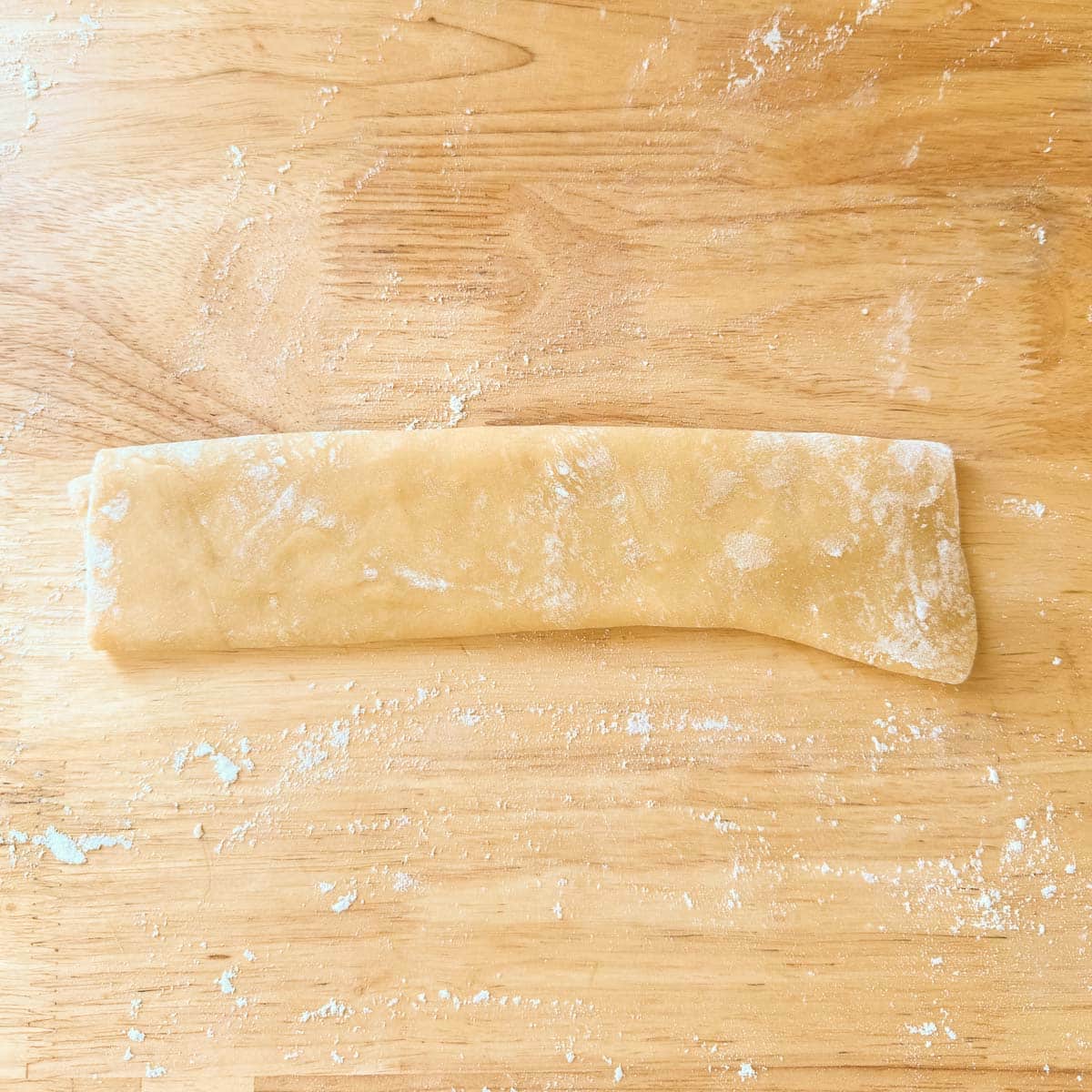
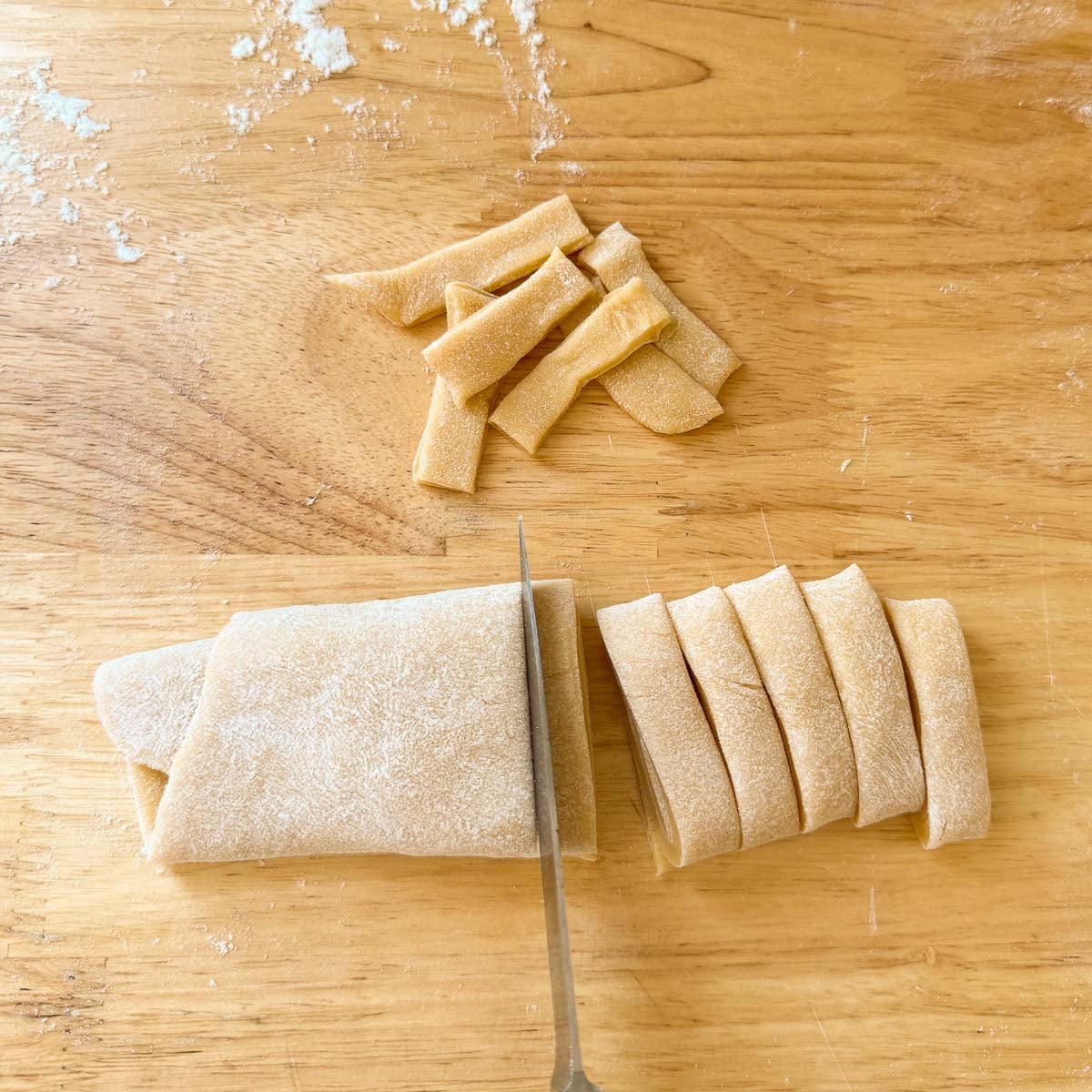
Pro Tip: Cover the dough balls and the noodles as you cut them to keep them from drying out.
🍲 How To Cook Homemade Egg Noodles
Cook time will vary, depending on how wide/thick you cut your noodles.
If using fresh noodles, thinner strips will only require 1-2 minutes of boiling to achieve an al dente texture, while thicker noodles may need up to 4 minutes.
If using dried noodles, the cook time could take up to 6-8 minutes.
🥚 How To Dry Homemade Egg Noodles
Lay noodles in a single layer and allow them to air dry. Drying them for 1-2 hours will yield a firmer, chewier texture once they're cooked. You can store these in the refrigerator in an airtight container for 2-3 days.
To fully dry egg noodles, they'll need to dry overnight. You can store fully dried egg noodles in an airtight container at room temperature in a cool, dark place for up to 1 month.
🇭🇺 Regional Egg Noodle Variations
One of the best things about the base of this egg noodle recipe (flour + egg + salt + water) is how easily it can work within a wide variety of dishes and cuisines from around the world. However, if you want to enhance them, you can make a few small changes to the dough in order to shift the flavor, texture, and how well they pair with sauces.
Amish egg noodles: These are usually thick and rustic, often found in comforting, homestyle dishes. The egg whites are often discarded, using only the yolks and sometimes adding a small amount of butter or sour cream to make the noodles richer.
Eastern European egg noodles: These are usually made with extra egg yolk, and sometimes paprika or black pepper, and rolled to medium thickness, perfect for holding rich, creamy sauces.
Asian egg noodles: These can be made by adding a small amount of sesame oil for a hint of nuttiness. The dough is made with water, never milk, and sometimes a small amount of cornstarch is added to give the noodles a springy texture. If you love Asian food, it's worth learning about these traditional Asian vegan noodles, as egg noodles aren't always the right choice for every dish.
🍽️ Serving Suggestions
This homemade egg noodle recipe can be enjoyed in hundreds of ways, and you may want to consider how you intend to use them when deciding what shape to cut them in. One way I like to serve them is with grilled prawns and cilantro chimichurri sauce.
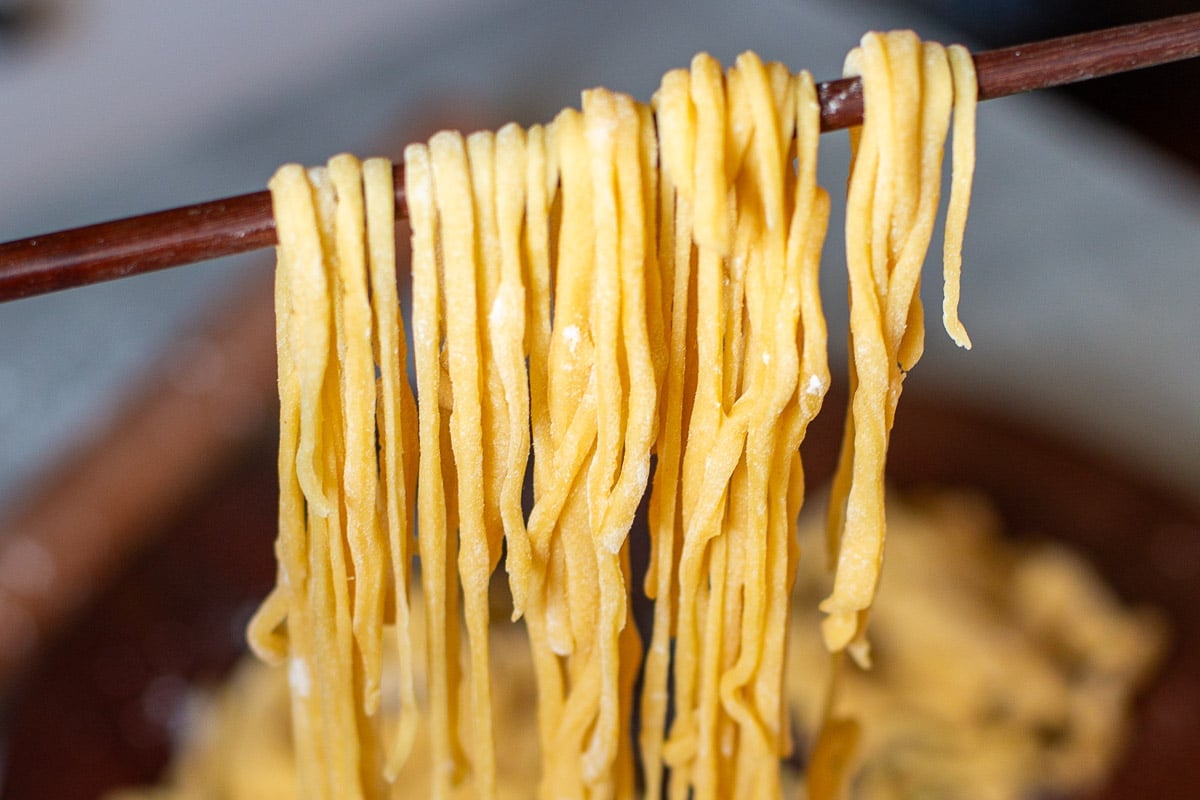
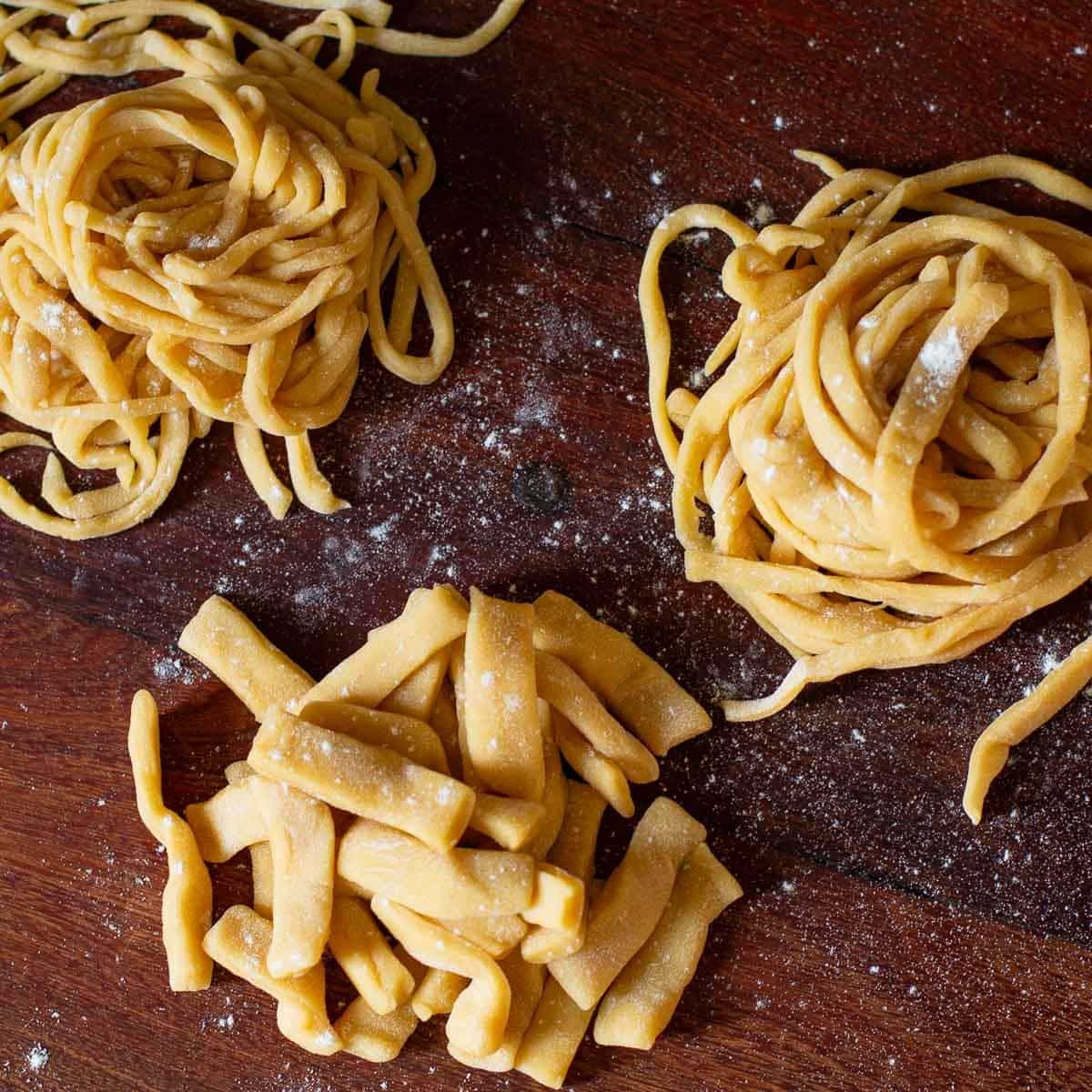
Thin, delicate noodles work well in dishes like egg drop soup, chow mein, lo mein, and Vietnamese Mì Hoành Thánh.
Medium strips are the most versatile and work well with most noodle dishes, from dan dan noodles to creamy parmesan egg noodles and gochujang carbonara. Try them with this creamy cream cheese pasta sauce.
Wide, rustic cut noodles are best for dishes like beef stroganoff, Amish buttered egg noodles, and spätzel.
🤷🏻♀️ FAQs
It's likely the dough wasn't kneaded enough. Ideally, dough should be kneaded for around 10 minutes before being cut into noodles.
For most homemade egg noodle recipes, the noodles should be around 1/16 inch thick. For soups, they can be rolled thinner, and for heartier dishes, they can be left thicker.
Yes, and this is actually one of the best ways to store homemade egg noodles. Just portion them into small nests, freeze on a tray, and then transfer them to a freezer bag. You can store them for up to 3 months. No need to thaw before cooking!
👩🏻🍳 Pro Tips
- I recommend starting with 3 eggs, then adding an additional egg if needed, as eggs can vary in size.
- Let the dough rest for a minimum of 30 minutes, or up to 2 hours. This will make it much easier to roll.
- Dust noodles generously with flour to keep them from sticking to each other.
- Be careful not to overcook! Fresh egg noodles cook much faster than dry ones.
- Because these noodles contain eggs, improper storage can lead to spoilage. Only store fully dried noodles at room temperature. Fresh noodles can be stored in the fridge for 2-3 days or in the freezer for up to 3 months.
🍝 More Noodle & Pasta Recipes You'll Love

Did you make this recipe?
📖 Recipe
Would you like to save this recipe?
Ingredients
Equipment
Method
- In a bowl, combine eggs, water, and sesame oil, if using, and whisk until frothy. Add in flour and salt, then mix until a shaggy dough forms.
- Knead the homemade egg noodle dough with lightly floured hands for 8-10 minutes until completely smooth. It should feel soft but not sticky, and elastic, rather than crumbly. Cover the dough in plastic wrap and let it rest for 30 minutes. This relaxes the gluten and makes rolling easier.
- Cut the dough into quarters, then roll each piece into a ball and cover to keep from drying. Use a rolling pin to roll out the dough on a floured surface until it reaches the desired thickness.
- Gently fold the dough into 4 layers, sprinkling a little flour between each fold, then cut into strips using a sharp knife or pizza cutter. Unfold each strip, cutting if desired. Repeat until all 4 dough balls have been cut into your preferred noodle shape.
Nutrition
Notes
- I recommend starting with 3 eggs, then adding an additional egg if needed, as eggs can vary in size.
- If dough is sticky, add more flour. If the dough is too dry, sprinkle in some water, ½ teaspoon at a time.
- Cover the dough balls and the noodles as you cut them to keep them from drying out.
- Let the dough rest for a minimum of 30 minutes, or up to 2 hours. This will make it much easier to roll.
- Dust noodles generously with flour to keep them from sticking to each other.
- Be careful not to overcook! Fresh egg noodles cook much faster than dry ones.
- Because these noodles contain eggs, improper storage can lead to spoilage. Only store fully dried noodles at room temperature. Fresh noodles can be stored in the fridge for 2-3 days or in the freezer for up to 3 months.
Hilda Sterner says
I hope you give this recipe a try and let us know what you think!